
Some might read the title and think, “Holy Hell, that is a little extreme.” If you continue reading, you will understand what I mean. The profession of law enforcement stands at a pivotal crossroads, marked by intense scrutiny from politicians and the public. This scrutiny has intensified over the past two decades, fueled by a series of high-profile incidents that have garnered national attention and sparked widespread debate about policing practices, accountability, and systemic issues within the justice system.
However, the issues surrounding law enforcement extend far beyond these high-profile incidents. They indicate deeper systemic problems within the profession, including questions about using force, community relations, and the psychological toll on officers themselves. The growing movement for police reform has highlighted the need for greater transparency, better training, and more comprehensive mental health resources for officers.
The Crisis in Law Enforcement
I’ve been a cop for almost 20 years now and have seen the quality of individuals who want to become cops decrease. The call to public service has genuinely died out. The applicants and those who want to become cops are startling. Most of whom should not become cops. Unfortunately, police leaders are left with little choice but to hire these walking and talking disasters waiting to happen. Why is this happening? I can tell you that it is the environment in which both politicians and the media play a role. Vilifying the very people enforcing the laws that the politicians made is a fantastic method to deflect and blame someone else. But let’s look at one of the root causes. I believe is a big part of the crisis.

Police Training
There is no actual training standard for law enforcement across the country. There is often significant variability in training standards between different jurisdictions. This disparity can lead to consistent law enforcement practices and outcomes, as officers from other areas may receive different training. Some states have adopted or formed Peace Officer Standards and Training (POST). It has become a political behemoth that has harmed law enforcement more than helped it. It is mainly comprised of those who have never held a position in the field of law enforcement and have no real business in creating training curriculums for law enforcement.
The variability in police training standards across the United States presents significant challenges to effective law enforcement. There is no universal training standard for police agencies, leading to a patchwork of practices that differ from one jurisdiction to another. This variation means that an officer trained in one state may possess vastly different qualifications, competencies, and approaches compared to an officer working in a neighboring state. As a result, consistency in training can result in consistent law enforcement practices, creating confusion within communities and undermining public trust in the police. Officers from well-trained jurisdictions may be better equipped to handle complex situations. In contrast, those from areas with minimal training may need more training, increasing the likelihood of negative outcomes during interactions with the public.
In response to these challenges, some states have established Peace Officer Standards and Training (POST) commissions to set baseline training requirements for law enforcement officers. While the intent behind POST is commendable, the effectiveness and implementation of these organizations can vary significantly. In many instances, POST has evolved into a political entity influenced by various stakeholders, including politicians and interest groups. This political influence often leads to decision-making processes that prioritize agendas over the actual needs of law enforcement training. Furthermore, a significant concern surrounding POST is that many individuals involved in developing training standards need more practical law enforcement experience. This disconnect can result in curricula not aligning with the real challenges officers face on the job, ultimately hindering their preparedness for critical situations.

The consequences of inadequate training standards are profound. Public trust in police can erode when communities perceive that officers need to receive proper preparation for their roles. This lack of confidence can strain relationships between law enforcement and the community, further complicating efforts to promote safety and justice. Additionally, poorly trained officers may be more prone to excessive force or other misconduct, leading to negative encounters that escalate tensions. Such incidents not only harm the individuals involved but also contribute to broader societal challenges, fueling calls for reform and complicating police-community dynamics.
They need to train officers to ensure their ability to address modern challenges. Law enforcement faces a myriad of issues today, including mental health crises, evolving technology, and heightened social tensions. Officers must be trained to handle these situations effectively, potentially resulting in unnecessary harm or escalation. To move forward and create a more effective police force, stakeholders must advocate for standardized national training requirements that encompass core competencies in essential areas, such as de-escalation techniques, cultural competency, and community policing.
It is vital to involve experienced law enforcement professionals in developing training standards to ensure that curricula are rooted in the realities of policing. Ongoing training and evaluation should also be implemented, informing officers about best practices, legal changes, and evolving community needs. By fostering collaboration between law enforcement agencies and community organizations, training programs can be designed to emphasize understanding diverse populations and building meaningful relationships within communities. Addressing these critical issues is essential for creating a more accountable and effective training framework that enhances public safety and fosters trust between officers and the communities they serve.

Stress and resilience training is crucial to law enforcement preparation yet is often overlooked in many police training programs. The nature of police work exposes officers to high levels of psychological stress, including exposure to traumatic incidents, high-stakes situations, and community scrutiny. When programs fail to address these challenges adequately, officers may face a range of detrimental effects, such as burnout, anxiety, and depression.
Burnout, characterized by emotional exhaustion, depersonalization, and a decreased sense of personal accomplishment, can significantly hinder an officer’s ability to perform their duties effectively. As stress accumulates without appropriate coping mechanisms, officers may exhibit negative behaviors, such as irritability or withdrawal, which not only affect their mental health but also impair their decision-making abilities.
Poor decision-making under stress can amplify risks for officers and their communities, potentially leading to escalated confrontations and strained relationships. An officer experiencing high stress levels may struggle to assess situations calmly and rationally, leading to impulsive actions that could otherwise be avoided with proper training.
The impact of inadequate stress training extends beyond individual officers and can significantly affect community interactions. Officers unable to manage their stress effectively may approach community members with suspicion or aggression, undermining trust and cooperation. Establishing good relationships with community members is vital for effective policing, and stress and resilience training can provide officers with the tools they need to engage positively, recognize their emotional triggers, and respond to challenges with greater empathy and understanding.
Police departments must incorporate comprehensive stress and resilience programs into their training. Such programs should include skills for managing stress, recognizing signs of burnout, and fostering emotional awareness. By empowering officers with the necessary tools to cope with the psychological demands of their work, police departments can improve officer well-being, enhance public safety, and promote positive community relations. Ultimately, investing in stress and resilience training is an investment in the officers and the communities they serve.

The gap in realistic, scenario-based training within law enforcement can significantly hinder officers’ preparedness to handle high-pressure situations effectively. Traditional training models often emphasize theoretical knowledge and physical skills, which, while necessary, only partially capture the complexities and unpredictability of real-life encounters officers face daily. This shortcoming can lead to inadequate responses during critical incidents, compromising officer safety and community trust.
High-pressure situations, such as active shooter incidents, domestic violence calls, or traffic stops involving armed suspects, demand a unique set of skills. These scenarios often unfold rapidly and require officers to make split-second decisions that can have life-altering consequences. Officers may need the opportunity to engage in training replicating these high-stakes environments to translate their theoretical knowledge into practice when it matters most.
Controlled environments that mimic real-life scenarios allow officers to practice critical decision-making skills, communication tactics, and conflict-resolution strategies. For instance, simulations or role-playing exercises can immerse officers in situations where they must assess threats, interact with various individuals, and work collaboratively with their peers to resolve incidents. This experiential learning not only builds confidence but also helps officers develop a deeper understanding of the psychological and emotional aspects involved in their interactions.
Scenario-based training allows officers to encounter and learn from a variety of potential situations, including those involving mental health crises or vulnerable populations. By exposing officers to diverse scenarios, training can equip them to approach these situations with empathy and informed judgment rather than relying solely on rigid protocols. This adaptability is crucial; it encourages a mindset that values de-escalation and effective communication over force, fostering a more community-oriented approach to policing.

Law enforcement agencies must invest in enhanced scenario-based training programs to address these shortcomings. Incorporating advanced technologies, such as virtual reality and simulation software, can create immersive training experiences that closely replicate the complexities of real-life situations. Furthermore, regular training updates that reflect evolving community dynamics and emerging threats can ensure that officers remain well-prepared for their challenges.
Integrating realistic, scenario-based training into police training programs is essential for fostering an adept and responsive law enforcement workforce. By prioritizing this form of training, police departments can enhance their officers’ preparedness, confidence, and ability to navigate the intricate realities of their roles, ultimately leading to safer outcomes for both officers and the communities they serve.
Despite widespread recognition of these issues, resistance to meaningful reform remains robust. Many law enforcement agencies are entrenched in practices that prioritize protecting the status quo. A culture of silence often prevails, where whistleblowers fear retaliation and accountability measures are weak or nonexistent. The failure of initiatives like “community policing” illustrates this resistance; rather than fostering collaboration, many programs become mere marketing tactics that do little to change the underlying culture. Without confronting these entrenched practices, the aspirations for systematic change remain hollow.
The phrase “exposure to liability” in the context of law enforcement training refers to the potential legal and financial repercussions that police departments may face if they fail to adequately prepare their officers for the challenges of real-world policing. Inadequate training in high-pressure scenarios can lead to poor decision-making, resulting in civil lawsuits, complaints from the community, or even criminal charges against officers. This situation underscores the importance of effective training programs that comply with state mandates and prepare officers for the unpredictable nature of their jobs.
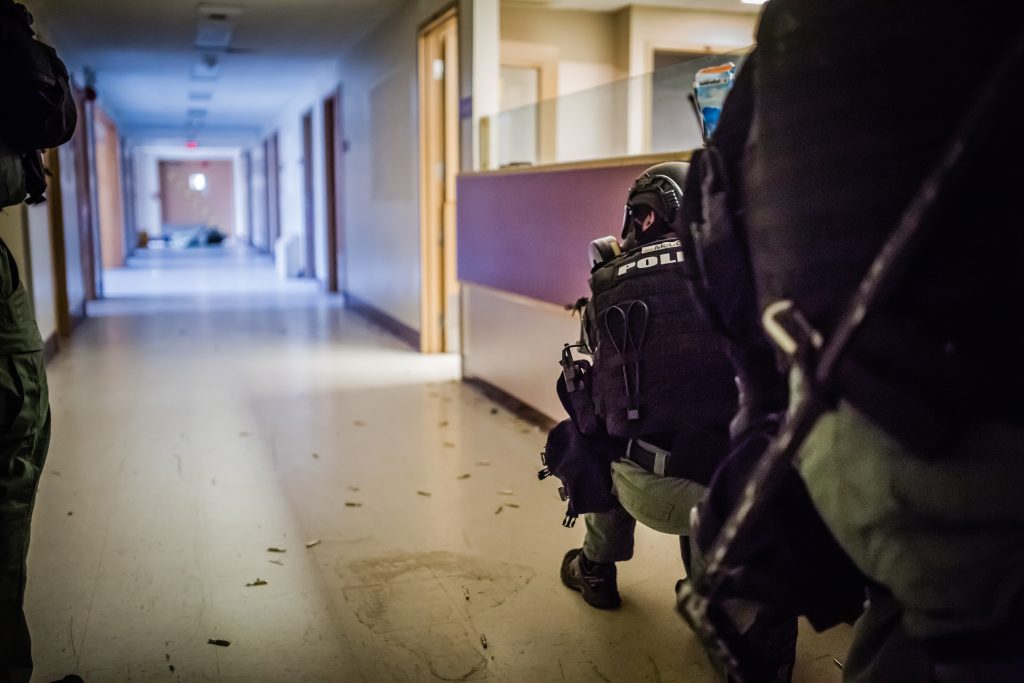
My training company’s innovative approach—immersing officers in high-stress, realistic scenarios—offers a significant advantage in understanding and managing stress responses. Using scientific tools to measure stress levels provides valuable data on how officers handle intense situations, enabling them to learn and adapt in a controlled environment. This process not only improves individual officer performance but also highlights competencies that are critical for effective policing.
However, for a police chief or commissioner, this innovative training method can present a double-edged sword. While it has the potential to enhance officer preparedness, it also needs to be revised in existing training programs mandated by the state. If these programs fail to include realistic scenario-based training that effectively prepares officers for stress-inducing situations, it indicates a gap that could expose the department to liability.
Leaders in POST states may be hesitant to adopt such comprehensive training programs for several reasons. First, there is the fear that exposing officers to high-stress simulations could lead to adverse outcomes, such as overreacting during real incidents due to heightened stress responses or developing mental health issues. Second, if incidents arise where officers fail to perform adequately under stress due to insufficient training, department leaders could be held accountable for not implementing better training practices. This is particularly concerning in an era of heightened scrutiny on police conduct, where any misstep can lead to significant community backlash and legal trouble.
Many department leaders may choose to maintain the status quo, opting for training that fulfills minimum state requirements rather than seeking innovative solutions that involve exposure to potential weaknesses in existing protocols. While aiming to protect against liability, this conservative approach may inadvertently perpetuate the cycle of inadequate officer preparation, ultimately resulting in greater risk during actual encounters.
While my training method provides a path toward addressing stress management and decision-making in high-pressure situations, it also challenges police chiefs and commissioners to reassess their training strategies critically. By confronting the limitations of current training programs and taking proactive steps to embrace more comprehensive and realistic training methods, law enforcement leaders can improve officer readiness and mitigate potential liabilities for their departments. Such shifts in training practices can foster a culture of accountability, continuous improvement, and a commitment to excellence in service to the community.

The Necessity of a “Failure” to Foster Change
To push for authentic reform, law enforcement may need to reach a state of crisis—a failure that compels the public and policymakers to take decisive action. History has shown that significant institutional overhauls often arise from such crises, serving as pivotal moments that reveal the shortcomings of established systems and provoke the demand for change. In this context, the training of police officers plays a crucial role in the unfolding crisis and subsequent reform processes.
Training police officers is a fundamental component of effective law enforcement, directly impacting officers’ ability to respond appropriately to various situations. However, the inadequacies in training programs have been spotlighted during crises, particularly when high-profile incidents of police misconduct, use of excessive force, or failure to de-escalate volatile situations occur. These events often expose weaknesses in officers’ preparation for real-world scenarios, highlighting the stark contrast between theoretical knowledge and practical application.
When a crisis emerges, particularly one involving public safety or civil rights violations, it generates widespread scrutiny and outrage. This scrutiny often extends to how law enforcement agencies train their personnel. For example, if an officer’s reaction in a critical incident is later deemed excessive or unjustified, questions arise about the adequacy of their training. Were they properly equipped to assess threats? Did they receive sufficient instruction in de-escalation techniques? Were they trained to understand and interact positively with diverse communities? Such inquiries become paramount during times of crisis, prompting calls for an examination and overhaul of current training methodologies.
As the public demands accountability, policymakers are pressured to intervene, often advocating for reforms focusing on four key areas: curriculum enhancement, specialized training, ongoing education, and mental health support. For instance, incorporating scenario-based training that mimics real-life situations where officers must manage stress and make quick decisions can better equip them for the complexities of policing. Utilizing evidence-based approaches and the latest research can inform training programs that prioritize the development of critical thinking and emotional intelligence skills, ensuring officers are not just reactive but can navigate challenging interactions effectively.
Furthermore, revelations during crises can compel law enforcement agencies to partner with community organizations to enhance training programs. Input from community members—especially those from marginalized backgrounds—can provide invaluable insights into the training needs necessary for fostering trust and cooperation. This collaboration can result in programs that not only teach officers about policing tactics but also emphasize cultural competence, conflict resolution, and community engagement.
However, it is critical to recognize that training reform should not merely be a reaction to crises. While the drive for change often follows traumatic events, the opportunity exists to enhance training programs continuously. Law enforcement agencies should regularly assess their training practices, using data and feedback to inform improvements. By establishing a culture of continuous learning and adaptation, police departments can mitigate potential crises before they arise.
The need for authentic reform in law enforcement is often catalyzed by a state of crisis, particularly as it relates to the training of police officers. The shortcomings of existing training frameworks frequently become evident during heightened scrutiny, prompting public outcry and policy changes. By prioritizing comprehensive, scenario-based, and community-informed training, law enforcement agencies can better prepare their officers to meet the complexities of their roles. Ultimately, the goal should be to ensure that officers are equipped with the skills necessary to enforce laws effectively and the understanding and empathy required to serve their communities justly and equitably.

_____________________________
Ayman Kafel is the founder and owner of Hybrid Wolf Blue Line Strategies, LLC. A veteran-owned training and consulting company for Law Enforcement officers and agencies. He combines his military and law enforcement experience to bring much-needed cutting-edge training to the law enforcement profession.
Ayman is not only an active police officer but also a law enforcement instructor and has taught across the East Coast of the United States. He offers a wide variety of training, such as advanced patrol tactics, mechanical breaching courses, designated marksman, and Human Performance under duress.
In addition, Ayman is an Army Combat Veteran who was deployed during Operation Iraqi Freedom in 2005. He became a police officer in 2007 after 8 years of service in the Army
Ayman has seen the ugliness of war and evil in the world. He survived two civil wars prior to immigrating to the United States in the late eighties.
His current position is the commander of his department’s Problem-Oriented Policing Unit. He leads a team of investigators that employs unconventional methods and Special Forces philosophy in achieving specific objectives in the communities he serves. These unconventional methods range from winning hearts and minds to specific strategic law enforcement actions to arrest and prosecute those who are the root cause of various crimes.
To reach Ayman, feel free to email him at hwbluelinestrategies@gmail.com
As the Voice of the Veteran Community, The Havok Journal seeks to publish a variety of perspectives on a number of sensitive subjects. Unless specifically noted otherwise, nothing we publish is an official point of view of The Havok Journal or any part of the U.S. government.
Buy Me A Coffee
The Havok Journal seeks to serve as a voice of the Veteran and First Responder communities through a focus on current affairs and articles of interest to the public in general, and the veteran community in particular. We strive to offer timely, current, and informative content, with the occasional piece focused on entertainment. We are continually expanding and striving to improve the readers’ experience.
© 2026 The Havok Journal
The Havok Journal welcomes re-posting of our original content as long as it is done in compliance with our Terms of Use.

