I have watched officers celebrate an arrest while I was still thinking about how easily someone could have been killed. I have also stood outside a house where a mother and her daughter were barricaded in a bedroom after a request for SWAT had been denied. In both cases, taking the suspect into custody left important questions unanswered. Were we making the safest decisions available? Were the people responsible for those decisions listening to the officers carrying the risk? A successful outcome should never make those questions disappear.
Moral injury in law enforcement concerns the lasting distress that can follow experiences that violate an officer’s deeply held beliefs about right and wrong. It may involve something he did, something he believes he should have prevented, or conduct by someone he trusted. The questions reach beyond whether he followed policy. They can become questions about his character, his responsibility to other people, and whether he can trust the organization asking him to serve.
In their foundational 2009 paper, Brett Litz and colleagues examined moral injury arising from participating in, failing to prevent, witnessing, or learning about acts that violate important moral beliefs. Psychiatrist Jonathan Shay emphasized betrayal by someone in legitimate authority when the stakes are high. These frameworks help explain why an officer may question both his own actions and the people responsible for leading him.

Moral injury and PTSD overlap, but they are not interchangeable. Moral injury is not a separate psychiatric diagnosis or another name for every difficult shift. PTSD can include guilt, shame, and damaged trust, along with intrusive memories and heightened alertness. Reducing PTSD to fear and moral injury to guilt oversimplifies both. An officer may need help with moral injury without meeting the criteria for PTSD. Police mental health care needs to consider the whole person.
In a 2020 study of 370 Finnish police officers, Konstantinos Papazoglou and colleagues found that higher moral injury scores were associated with more severe PTSD symptoms, including avoidance, hyperarousal, and re-experiencing. The relationship remained when compassion fatigue was included in their statistical model. This was an association, not proof of causation. Still, it supports examining moral injury as part of police mental health care.
A 2024 study by Nora Mooren and colleagues examined 421 officers who had experienced trauma. Some had high moral injury appraisals and relatively low PTSD symptoms; others showed the reverse pattern or high levels of both. These were statistical groupings within a particular sample, not diagnoses or national prevalence estimates. For me, that means asking about damaged integrity and trust alongside nightmares or feeling on edge.
I remember a call involving a woman who had a miscarriage about six months into her pregnancy. Another officer and I saw the baby struggling to breathe. I remember the mother’s screams. I had to hold her husband back from entering a busy street. Standing there in uniform did not change the limits of what I could do. I still had a responsibility to the people in front of me, even when I could not give them what they needed most. The officer who got on scene first asked me, “Sergeant, I didn’t know what to do. Did I do enough?” I reassured him that he had done all he could for the child. But that question goes through our minds every single day. We leave a critical incident asking: Did we do enough?
The responsibility we accept in this profession can make that conversation difficult. We train to intervene and protect people when a situation is falling apart. An officer who cannot prevent a death may need to examine what happened carefully. That examination should not begin with the assumption that being present made him capable of controlling the outcome.
Blom and colleagues interviewed 13 Dutch officers receiving treatment for PTSD who reported distress about morally troubling events. Among those identified as experiencing moral injury, themes included responsibility for death, an illusion of control, and a felt duty to remember. Other participants’ experiences did not amount to moral injury. Published online in 2025 and in a 2026 journal issue, this small study cautions against assuming that every painful event produces the same injury.

Holding that man back from a busy street was an action I could take. Being there did not give me control over everything else that was happening. We should be able to discuss that discomfort without rushing to tell an officer he failed or insisting that he has no reason to hurt.
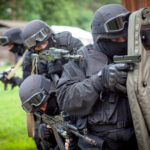
My concerns about police leadership also come from a major investigation into a violent drug trafficking organization. We had a Title III wire, surveillance, drug seizures, and enough evidence to move toward arrests. I was part of the DEA Special Response Team at the time. When I learned of the proposed arrest plan, I disagreed with it. Our surveillance had established the main target’s routine, and I believed we could use that information to reduce his opportunity to escape. The supervisor chose to make the arrest in an open parking lot instead.
While we were executing the search warrant at the residence, we found a hidden area near the entrance containing a handgun and a loaded AK-47. Then we heard over the radio that the target had broken containment. The pursuit lasted close to 45 minutes. He eventually abandoned his vehicle and ran into a wooded area, where officers found him hiding under leaves. The target was in custody. We had recovered evidence, and nobody had been shot. Some of the team celebrated the arrest. I was thinking about the risk we had just taken.
I believed the arrest plan had created unnecessary opportunities for the target to escape and for other people to get hurt. I cannot claim to know the supervisor’s intentions or prove my proposed plan would have unfolded as intended. My judgment deserves examination too. The successful arrest did not answer my concerns about the decisions that preceded it.
That operation shows why trust in police leadership has to include room for disagreement. When people accept danger together, they depend on decisions being made with their lives and the public’s safety in mind. An officer should be able to raise a serious concern without having his loyalty placed on trial.
Years ago, I was doing a detective rotation at another department when we were investigating a serial rapist. This was a dangerous individual, and we believed the media needed to be alerted so the community knew what was happening. We were told no. From what I understood, the reasons had more to do with politics than with protecting the citizens we served. I remember one of the detectives saying, “We have a moral obligation to let people know.” People were living with a danger we knew about, without the warning we believed they needed.
There can be sound reasons to withhold information during an investigation, including protecting victims. My concern was whether those reasons were driving this decision. We should be able to explain how withholding a public warning serves public safety. Political convenience is not an explanation I can reconcile with that duty.

The rapist was eventually apprehended. But consider the burden on a detective who believes people are being denied information that could help them protect themselves. He may continue doing his job while questioning whether the department is honoring its obligation to the public. That conflict can contribute to moral injury in law enforcement when it leaves lasting damage to his sense of integrity or trust. The eventual arrest does not, by itself, settle those questions.
More than a year ago, I was running an incident involving a husband who was reportedly having a psychotic episode. His wife had barricaded herself and their daughter inside the daughter’s bedroom. During the 911 call, she reported that he had threatened to shoot if police approached the house. Firearms were also reported to be involved. I established a perimeter with the patrol officers, closed the road, and had EMS stage about half a mile away. The wife and daughter were still inside.
I was handling the incident with my department captain. I was an active SWAT team member, and he had previously served as a SWAT operator. We agreed that the circumstances required a SWAT response. We viewed it as a barricaded subject incident with a potential hostage rescue problem. As the incident continued, the captain called the chief to recommend activating the team. The request was denied. Neither of us understood the reasoning. We were told to hold him out.
My concern was what could happen behind that bedroom door while we waited. What if he broke it down and killed his wife and daughter? We had established containment outside, but they remained exposed to danger inside. Waiting carried consequences that had to be considered alongside the risks of intervening. The captain and I decided we needed to act. We took the husband into custody and got his wife and daughter to safety. I am grateful for that.
Now consider what a different outcome could have meant for everyone involved. What would the officers have carried if that mother and child had been killed while we waited? What about the dispatchers who received the call and the shift commander responsible for the response? An officer could know he had raised the concern and still spend years asking whether he had done enough. I cannot say how any individual would have responded. I can say that following an order would not necessarily settle the question of responsibility in that person’s mind.
One thing war taught me is that a leader needs to understand what a decision demands of the people carrying it out. That includes the anxiety, the anger, and the uncertainty they are dealing with. During this incident, the chief was at home while the captain and I were at the scene. Command can be exercised from another location, but distance makes listening to the people there more important. Being at home did not remove his responsibility to understand why two supervisors with SWAT experience were asking for that team.

I still believe that request deserved a clear operational explanation. Our assessment was open to challenge, but the danger we described required an answer we could understand and act on. We were asking for additional capability while a mother and child remained at risk. The fact that we eventually brought them to safety should not end the discussion about how that request was handled. The decisions needed to make sense while the outcome was still unknown.
Shay’s work on betrayal was rooted in veterans’ experiences. I see its relevance here in the questions an officer may carry about responsibility and trust. That is an interpretation, not a diagnosis of anyone involved in these incidents. It is a reason to examine the effect command decisions can have on the people who must carry them out.
That does not mean supporting an officer requires agreeing with everything he says. An investigation can be necessary. Discipline can be justified. A supervisor may make a sound decision that a subordinate dislikes. We owe officers a process that considers evidence, applies standards consistently, and allows them to be heard. We also owe the public an honest account. Calling every investigation a betrayal would make accountability impossible. Dismissing every concern about leadership as resentment would protect the organization from the very information it needs to improve.
We also have to examine the possibility that the troubling conduct was our own. It is easier to criticize leadership than to acknowledge when we ignored a concern, treated someone with contempt, or stayed quiet when someone needed us to speak. Those examples are not automatically moral injuries. They are reasons to examine our conduct before defending our identity. A badge does not settle a moral question in our favor. Integrity has to remain a standard when applying it becomes uncomfortable.
Guilt may focus on a particular action or failure to act. Shame can become a judgment about the whole person. Moral injury can involve both, along with anger, a sense of betrayal, or difficulty trusting others.3 Being able to name a specific wrong creates something that can be examined. Deciding that he is beyond repair can shut that examination down. Accountability requires enough honesty to face the conduct and enough perspective to consider what can happen next.
As a sergeant, I believe supporting police mental health is part of our responsibility to the officers doing the work. A conversation after a critical incident should leave room for more than whether the report is complete. What part of the call is still troubling the officer? Does he believe he failed someone? Is there a decision he does not understand, or something he thinks we are refusing to address? Those are questions a supervisor can ask without pretending to be a therapist. The answer may reveal a training problem, a leadership problem, or a need for professional help.

The supervisor then has to do something with what he hears. If an officer identifies a preventable problem and nothing changes, another invitation to speak openly will mean very little. I want reviews that examine what people knew at the time, the options available, and the reasons behind the decisions. An outcome that ended well deserves the same honest attention as one that ended badly.
Officer wellness programs should give people a clear path to help. Reviewing an operation, investigating conduct, and seeking clinical care serve different purposes. An officer should know who will receive information and what limits apply to confidentiality before disclosing personal material. Access to a qualified clinician, trusted peer support, or a chaplain should be practical and clearly explained. I would not make public emotional disclosure a test of whether an officer is taking care of himself.
Treatment research offers some hope. In a 2022 randomized trial, Norman and colleagues assigned 145 veterans with deployment-related guilt to Trauma-Informed Guilt Reduction therapy or supportive therapy. Both groups improved, but the treatment addressing guilt produced greater reductions in guilt, PTSD symptoms, and depression. It asks participants to examine their role in what happened and reconnect with their values. Those findings support addressing guilt directly, while leaving questions about how well the treatment translates to policing.
A 2024 randomized trial studied 174 veterans with PTSD related to traumatic loss or moral injury. Enhanced Adaptive Disclosure produced greater improvement in functioning and PTSD symptoms than the comparison therapy at the end of treatment. Those differences were not maintained at follow-up. We need better research in police populations, and treatment decisions should reflect the individual and the evidence available.
When I think about recovery from moral injury, I believe we need room to examine what a person did, what was outside his control, and what responsibility remains. Sometimes that means correcting an unfair judgment against himself. Sometimes it means acknowledging harm and accepting consequences. When repair is possible, it has to consider the person who was harmed. An apology offered mainly to relieve the officer’s discomfort may place another burden on someone else. Professional guidance can help a person work through those questions.
If a review identifies a harmful decision, the department needs to correct it and explain what will change. A wellness program does not resolve an unresolved safety concern. Counseling does not answer a credible allegation of misconduct. I want both good clinical support and a workplace willing to examine itself. Asking the individual to recover while refusing to address a problem within our authority is a failure of leadership.
Stoicism brings me back to the difference between what I can influence and what I cannot. I cannot change an incident after it has happened. I can examine my part in it, accept correction, and decide how I will treat the next person who depends on me. Acceptance should never excuse avoiding something I have the authority to correct. Nor should responsibility become a demand that I control every outcome.
I remember that mother’s screams, the DEA arrest, the detective’s words, and the wife and daughter behind a barricaded bedroom door. Those experiences raise different questions about the limits of our control, the decisions we make, and the support we owe the people carrying them out. Taking moral injury in law enforcement seriously requires room for those questions. It also requires the willingness to change something when the answer reveals a failure within our control.

References
- Moral Injury and Moral Repair in War Veterans: A Preliminary Model and Intervention Strategy, by Brett T. Litz et al. (Clinical Psychology Review, 2009).
- Moral Injury, by Jonathan Shay (Psychoanalytic Psychology, 2014).
- Moral Injury and PTSD, by the National Center for PTSD (U.S. Department of Veterans Affairs); Moral Injury, by Sonya B. Norman and Shira Maguen (U.S. Department of Veterans Affairs).
- The Role of Moral Injury in PTSD Among Law Enforcement Officers: A Brief Report, by Konstantinos Papazoglou et al. (Frontiers in Psychology, 2020).
- Moral Injury Appraisals and Posttraumatic Stress Symptoms in Trauma-Exposed Police Officers: A Latent Class Analysis, by Nora Mooren, Simone M. de la Rie and Paul A. Boelen (European Journal of Psychotraumatology, 2024).
- Moral Injury in Treatment-Seeking Police Officers: A Qualitative Study, by Bernardette C. E. M. Blom et al. (Psychological Trauma: Theory, Research, Practice, and Policy, 2026; published online in 2025).
- A Clinical Trial Comparing Trauma-Informed Guilt Reduction Therapy (TrIGR), a Brief Intervention for Trauma-Related Guilt, to Supportive Care Therapy, by Sonya B. Norman et al. (Depression and Anxiety, 2022).
- A Controlled Trial of Adaptive Disclosure-Enhanced to Improve Functioning and Treat Posttraumatic Stress Disorder, by Brett T. Litz et al. (Journal of Consulting and Clinical Psychology, 2024).
_____________________________
Ayman Kafel is a patrol sergeant, combat veteran, and founder of Project Sapient, with more than 20 years of operational experience. He served in Iraq as a U.S. Army soldier and translator and has worked in law enforcement roles including SWAT, DEA task force work, and plainclothes interdiction; he also holds a master’s degree in counterterrorism. For The Havok Journal, he writes from that background on law enforcement, service, training, stress, resilience, and national security, often focusing on the physical and psychological demands of high-stress work. Follow Project Sapient on Instagram, YouTube, and all podcast platforms for engaging content. He can be reached at ayman@projectsapient.com.
As the Voice of the Veteran Community, The Havok Journal seeks to publish a variety of perspectives on a number of sensitive subjects. Unless specifically noted otherwise, nothing we publish is an official point of view of The Havok Journal or any part of the U.S. government.
Buy Me A Coffee
The Havok Journal seeks to serve as a voice of the Veteran and First Responder communities through a focus on current affairs and articles of interest to the public in general, and the veteran community in particular. We strive to offer timely, current, and informative content, with the occasional piece focused on entertainment. We are continually expanding and striving to improve the readers’ experience.
© 2026 The Havok Journal
The Havok Journal welcomes re-posting of our original content as long as it is done in compliance with our Terms of Use.