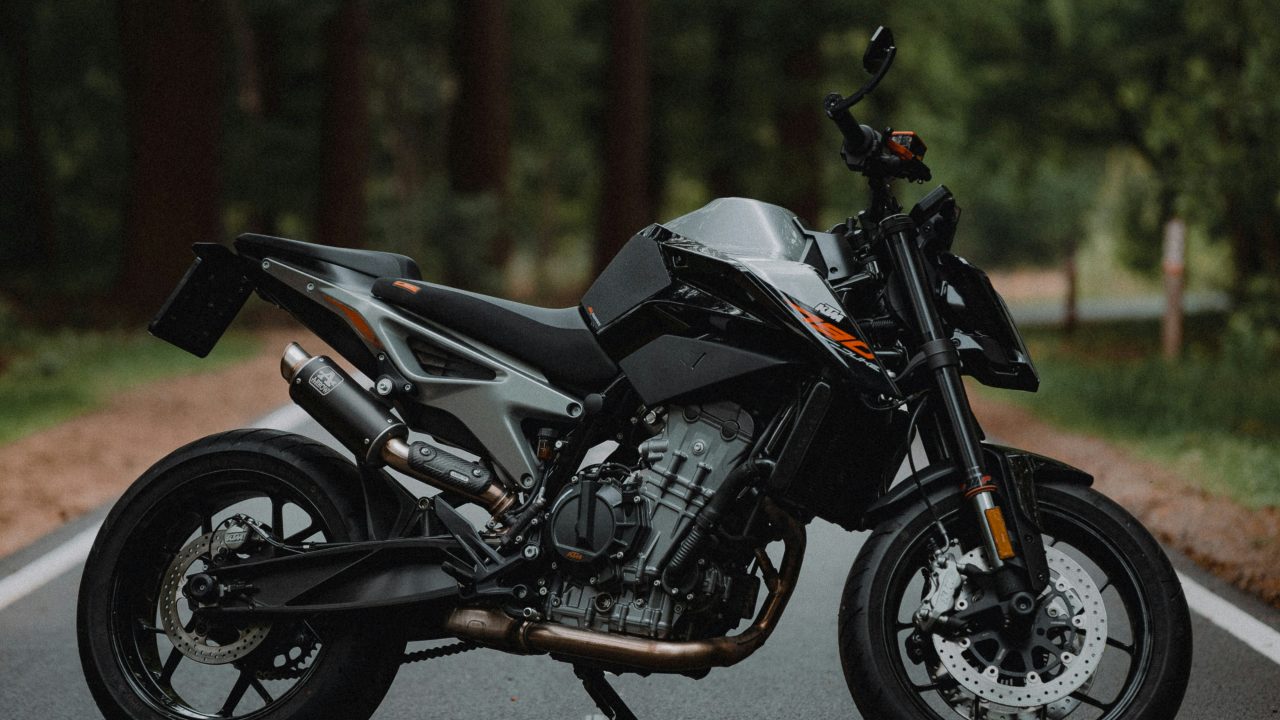
Photo by Gijs Coolen on Unsplash
Motorcyclists have the same right to use Tennessee roads as drivers of cars. However, they are often treated like they don’t belong on the road. Drivers may follow too closely, crowd a motorcycle when passing, turn in front of it, or change lanes without enough space. Because motorcyclists have little protection, a single careless move can lead to serious injuries.
After a collision, drivers sometimes claim they did not see the motorcycle or misjudged its speed. That explanation does not erase the duty to watch for smaller vehicles and operate with reasonable care. A rider injured by an inattentive or aggressive motorist may consult a Nashville, TN motorcycle accident attorney to investigate how the driver’s failure to share the road contributed to the crash.
A Full Lane Is Not Too Much Space for a Motorcycle
Some motorists assume a motorcycle needs only a narrow strip of pavement. They may try to squeeze past the rider within the same lane or move alongside the motorcycle without leaving a safe buffer. This behavior can force the rider toward parked vehicles, curbs, debris, or the edge of the road.
A motorcyclist is generally entitled to occupy the lane rather than being pushed to one side. Riders often adjust their lane position to avoid potholes, increase visibility, or maintain distance from nearby traffic. Crowding that space can remove the rider’s escape route and turn a minor traffic change into an emergency.
Following Too Closely Leaves No Margin for Error
Tailgating is dangerous around any vehicle, but it creates an even greater threat behind a motorcycle. Riders may slow down by reducing the throttle or downshifting, which may not activate the brake light immediately. A driver following too closely may not recognize the change in speed until there is almost no time to react.
A rear-end crash can throw a rider from the motorcycle or push the bike into another vehicle. Even when there is no direct impact, the rider may lose control while trying to escape the vehicle behind them. Safe following distance gives both road users time to respond to changing traffic conditions.
Passing Without Room Can Destabilize the Rider
A motorist may become impatient when traveling behind a motorcycle and attempt to pass too closely. The vehicle’s size and speed can create air movement that affects the motorcycle, particularly when the passing vehicle is a truck, bus, or large sport utility vehicle.
The danger increases when the driver moves back into the lane before fully clearing the motorcycle. The rider may be forced to brake sharply, swerve, or leave the roadway. A safe pass requires checking for traffic, moving completely into the neighboring lane, and returning only after providing adequate clearance.
Lane Changes Often Begin With an Incomplete Check
Motorcycles can be harder to notice than larger vehicles, especially when drivers rely only on mirrors. A quick glance may miss a rider traveling in a blind spot. Drivers should check mirrors, use turn signals, and look over their shoulders before changing lanes.
Failure to complete these steps can cause a sideswipe or force the motorcyclist into another lane. The rider may have only seconds to choose between colliding with the vehicle, entering opposing traffic, or striking a roadside object. A driver’s careless lane change can therefore cause a crash even when the vehicles never touch.
Left Turns Create a Familiar but Severe Threat
Many motorcycle collisions occur when a driver turns left across the rider’s path. The motorist may fail to notice the motorcycle, underestimate how quickly it is approaching, or believe there is enough time to complete the turn.
The rider may have no safe way to avoid the vehicle blocking the lane. Hard braking can cause the motorcycle to skid, while swerving may send the rider into another vehicle or fixed object. Drivers must wait until the roadway is truly clear rather than assuming the motorcycle will slow down or move around them.
Opening a Door Can Block an Entire Travel Path
Motorcyclists traveling near parked vehicles face the risk of a driver or passenger opening a door into their path. This is sometimes called a dooring accident. The obstacle can appear suddenly and leave the rider with almost no time to stop.
People exiting parked vehicles should check mirrors and look for motorcycles, bicycles, and other traffic before opening a door. When a door is opened carelessly, the rider may strike it directly or swerve into moving traffic. Either outcome can result in severe injuries.
Aggressive Driving Turns Vulnerability Into Leverage
Some drivers deliberately use their vehicles to intimidate motorcyclists. They may follow closely, accelerate beside the bike, block lane changes, honk repeatedly, or cut in front of the rider. Road frustration does not justify conduct that places another person in danger.
A motorcyclist may be unable to respond safely because a sudden movement could cause a loss of balance. Evidence of aggressive driving may come from helmet-camera footage, witness accounts, traffic cameras, or statements made at the scene. These details can help distinguish deliberate intimidation from an ordinary driving mistake.
Weather Demands More Patience Around Riders
Bad weather can make braking, steering, and maintaining balance more difficult for motorcyclists. Drivers should respond by:
- Leaving extra following distance
- Allowing riders more time to brake
- Avoiding aggressive passing
- Watching for standing water
- Expecting riders to avoid slippery markings
- Reducing speed when visibility is poor
- Giving motorcycles enough room to maneuver safely
Motorcyclists may need more time and space than passenger vehicles when road conditions are hazardous.
“I Did Not See the Motorcycle” Is Not the End of the Inquiry
Drivers often say they didn’t see a motorcycle until it was too late. However, a careful investigation may show that the rider was visible. It might be that the driver simply didn’t look closely enough. Distractions like using a phone, adjusting dashboard controls, talking, feeling tired, or just not paying attention can pull a driver’s focus away from the road.
Evidence that can help understand what happened includes damage to the vehicles, skid marks, electronic data, cellphone records, surveillance video, witness statements, and photos of what the driver could see. Looking at the moments before the crash can help determine if the motorcycle was visible and how much time the driver had to react.
Road Bias Can Follow the Rider Into the Claim
Motorcyclists sometimes face unfair assumptions after an accident. An insurer may suggest that the rider must have been speeding, weaving through traffic, or taking unnecessary risks simply because they were operating a motorcycle.
These claims should be tested against the evidence rather than accepted as fact. The rider’s speed, lane position, protective equipment, and actions before impact may all be examined. At the same time, the investigation should remain focused on whether the driver failed to yield, kept an unsafe distance, or entered the rider’s space.
Sharing the Road Means Respecting the Rider’s Right to Be There
Drivers don’t need special skills to share the road safely with motorcycles. They need patience, attention, and respect for riders. Checking blind spots, keeping a safe distance, passing carefully, and yielding before turning can prevent serious accidents.
When drivers are careless, it can lead to serious injuries or even death. Holding these drivers accountable helps injured riders recover and reinforces the essential rule of road safety: every road user deserves enough space to arrive safely.
Buy Me A Coffee
The Havok Journal seeks to serve as a voice of the Veteran and First Responder communities through a focus on current affairs and articles of interest to the public in general, and the veteran community in particular. We strive to offer timely, current, and informative content, with the occasional piece focused on entertainment. We are continually expanding and striving to improve the readers’ experience.
© 2026 The Havok Journal
The Havok Journal welcomes re-posting of our original content as long as it is done in compliance with our Terms of Use.


