Managing a group of vehicles involves constant movement and potential risks. Drivers face unpredictable roads every day, making it difficult to maintain full visibility from a desk.
Keeping a record of every mile helps identify patterns that might otherwise go unnoticed. This visibility allows for better decision-making when managing daily operations.
Improving Driver Accountability
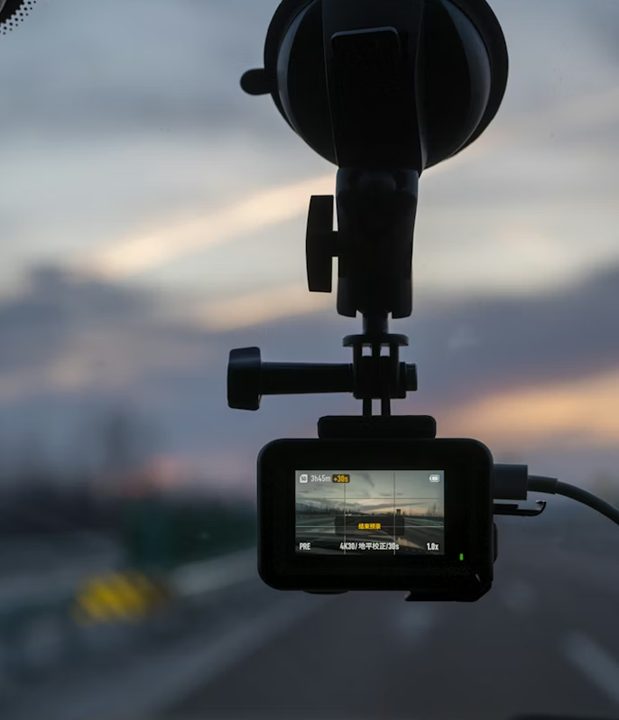
Drivers usually perform better when they know their actions are being recorded for safety. When a company chooses to invest in a commercial fleet dash cam, it helps build a culture of transparency between managers and staff. Clear expectations lead to fewer errors on the road.
Visual data removes the guesswork from performance reviews. Managers can point to specific instances where a driver handled a situation perfectly.
Accountability is not about punishment – it is about safety. When everyone is on the same page, the entire operation runs more smoothly. Drivers feel more supported when they have video evidence to back up their professional skills.
Reducing Accidental Collisions
Safety technology provides a second set of eyes for every vehicle in the fleet. Some systems use artificial intelligence to detect risky behaviors before a crash occurs. These tools give drivers a chance to react and correct their path quickly.
One report highlighted that companies using real-time coaching with advanced cameras see a drop in crash rates. This shows how instant feedback changes habits for the better. Preventing a single accident saves a company thousands of dollars in repairs and lost time.
Collision prevention is a top priority for any growing logistics business. Frequent incidents lead to higher costs and lower morale among the team. Implementing video solutions creates a safer environment for everyone sharing the pavement.
Slashing Insurance Costs
Insurance premiums are a major expense for any organization operating a large vehicle group. Higher risks naturally lead to higher monthly bills from providers. Many companies look for ways to prove their commitment to safety to lower these costs.
A recent study found that 98% of public agencies saw their insurance premiums drop after they started using dash cameras. This suggests that insurers value the presence of video monitoring systems highly. Lowering these fixed costs frees up capital for other parts of the business.
Providing proof of safe driving helps during policy negotiations. When a company can show years of clean video data, they have more leverage.
Incentives For Safe Drivers
Some insurance providers are now offering direct savings for using specific hardware. A press release from a major insurer mentioned that new policyholders might save 10% by using AI-equipped cameras and telematics.
Drivers who consistently follow safety protocols deserve recognition for their hard work. Using video data makes it easy to spot the top performers in the fleet. Rewarding these individuals keeps them motivated and less likely to leave the company.
Incentive programs create positive competition among the driving staff. Everyone wants to be recognized as the safest operator on the team.
Protecting Against False Claims
False accusations after a minor accident can be incredibly expensive to fight in court. Dash cams provide an objective record of what happened during an incident. If a driver is not at fault, the video proves it immediately.
This speed saves the company from long legal battles and damaged reputations. Without video evidence, it often becomes one person’s word against another.
Protecting the business from fraud is a smart tactical move. Scammers often target commercial vehicles since they assume the company has deep pockets. Having a camera visible acts as a deterrent to these types of predatory behaviors.
Streamlining Maintenance Schedules
Connected cameras often work with other sensors to monitor vehicle health. Managers can see if a driver is braking too hard or accelerating aggressively. These actions put extra wear and tear on the tires and the engine.
Monitoring these habits allows for more accurate maintenance planning:
- Hard braking wears down brake pads faster.
- Rapid acceleration burns fuel inefficiently.
- Frequent idling increases engine strain.
Addressing these behaviors extends the life of the vehicle and reduces downtime. Regular maintenance keeps the fleet on the road longer without unexpected breakdowns. Knowing exactly how each truck is handled helps predict when parts need replacing.
Improving Route Efficiency
Gaining a tactical advantage means looking at more than just safety data. Video insights help managers understand why certain routes take longer than expected. Construction or difficult intersections might be slowing down the entire schedule.
Adjusting routes based on visual feedback improves delivery times for every customer. Drivers appreciate avoiding areas that cause unnecessary stress or delays. Small changes to a daily path add up to significant time savings over a month.
Efficiency is the key to staying competitive in a crowded market. Customers expect timely service and professional handling of their goods. Using technology to refine operations helps the business remain a leader in the industry.

Implementing video technology is a strategic choice for any modern fleet. It provides the data needed to protect drivers and the bottom line. Safety becomes a measurable metric rather than a vague goal for the team.
The tactical benefits of these systems grow as more data is collected. Companies find new ways to use the information to improve their daily habits. Staying ahead of the curve keeps the business moving forward with confidence.
Buy Me A Coffee
The Havok Journal seeks to serve as a voice of the Veteran and First Responder communities through a focus on current affairs and articles of interest to the public in general, and the veteran community in particular. We strive to offer timely, current, and informative content, with the occasional piece focused on entertainment. We are continually expanding and striving to improve the readers’ experience.
© 2026 The Havok Journal
The Havok Journal welcomes re-posting of our original content as long as it is done in compliance with our Terms of Use.


