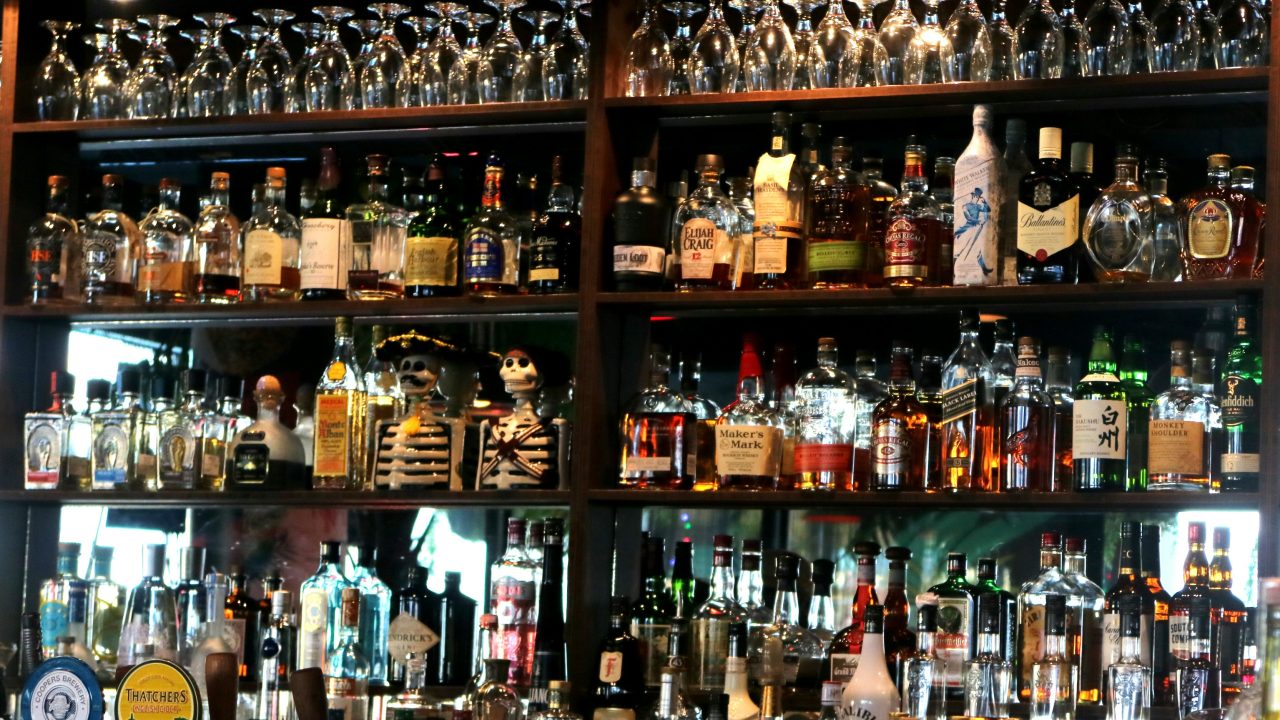
Photo by Maricar Limjoco on Unsplash
Few things feel more like betrayal than a handcuff click after years of wearing the uniform; however, the veteran DUI problem is not an isolated factor, but an issue that affects service members across every branch and every demographic.
Behind the statistics are real people, marines, airmen, sailors, medics, and engineers, who survived deployment only to lose control behind a civilian wheel. Understanding why this happens is not about making excuses. It is about understanding systemic problems to help veterans in trouble today and reduce the problem in the future.
Why Veterans Are at Higher Risk for DUI
Military life holds high-stress environments and situations combined with strict rules and oversight, and brief escapes to have fun, unwind, and, of course, drink.
However, military discipline puts limits on when, where, and what you can do when drinking. In civilian life, no one is there to put a stop to the bottles or bad decisions, such as driving while drinking.
But a lack of command and military responsibilities is not the only factor. Many veterans struggle to reintegrate into civilian life, and some abuse substances to cope with PTSD.
According to the National Institute on Drug Abuse (NIDA), substance use disorders occur at higher rates among veterans with combat exposure, and the transition out of service can amplify existing drinking patterns rather than reduce them.
Veterans and drunk driving share a painful connection that the VA has tracked for decades. The Substance Abuse and Mental Health Services Administration (SAMHSA) reports that in 2020, approximately 1 in 10 veterans met the criteria for a substance use disorder, and alcohol was the dominant substance.
The PTSD–Alcohol Connection
Here is the part no one likes to admit: alcohol works, at first, then it makes everything worse.
For a veteran with hypervigilance, nightmares, and intrusive memories, a few drinks can silence the noise long enough to sleep. This is PTSD-related impaired driving in its earliest, most dangerous form. You are not trying to get drunk. You are trying to get numb.
The U.S. Department of Veterans Affairs explicitly states that PTSD and substance abuse frequently co-occur. Veterans with PTSD are two to four times more likely to also struggle with alcohol or drug use compared to those without PTSD.
But, in the long run, alcohol worsens PTSD symptoms over time. It disrupts REM sleep, lowers impulse control, and increases aggression. Nightmares get worse. Anger flares faster. And eventually, a veteran who never intended to drive drunk finds themselves weaving across lanes on Interstate 15.
When a DUI arrest follows years of untreated trauma, having a legal team experienced in defending serious charges can mean the difference between a conviction and a second chance.
What a DUI Really Costs a Veteran
In Nevada, a first-time DUI can bring the following penalties:
- Two days to six months in jail
- $ 400 to $ 1,000 in fines
- 185-day license suspension or 185-day ignition interlock device
A second offense has the following consequences:
- 10 days to six months in jail
- $ 750 to $ 1,000 in fines
- One-year revocation of license.
- A maximum of three years of ignition interlock device
A third DUI in seven years becomes a felony that results in:
- one to six years in prison
- $ 2,000 to $ 5,000 in fines
- 3-year license suspension
- Three-year ignition interlock device
Nevada does not treat DUIs lightly. Having experienced legal counsel becomes essential from the moment of arrest.
Collateral Consequences
For a veteran, a third DUI conviction can jeopardize some VA benefits. Security clearance might be affected. Sometimes federal employment becomes nearly impossible. Even some private employers run background checks and see “DUI” as reckless judgment rather than untreated trauma.
How Nevada’s 2026 DUI Laws Raise the Stakes
As of January 2026, Nevada has made its DUI penalties even harsher. Assembly Bill 4 (AB4) increases the maximum prison sentence for a DUI causing death or substantial bodily harm from 20 years to 25 years for a first offense.
If a veteran with untreated PTSD and alcohol dependence causes a fatality, they face 25 years in prison, even if they never intended to hurt anyone.
For veterans struggling with substance use, understanding how these charges are prosecuted could be the difference between prison and treatment.
Defense against driving under the influence charges requires an attorney who understands both Nevada’s evolving penalties and the realities veterans face.
Treatment and Support Options for Veterans
The VA Office of Research and Development continues to study effective treatments for substance use disorders, including cognitive behavioral therapy, medication-assisted treatment, and peer support models.
The VA also offers PTSD-specific substance use treatment through its Substance Use Disorder (SUD) clinics. These programs treat veteran alcohol abuse and driving as a dual diagnosis, not two separate problems.
Veterans can also access non-VA resources. SAMHSA’s National Helpline (1-800-662-HELP) provides confidential referrals to local treatment centers.
Many states, including Nevada, have veterans treatment courts that prioritize rehabilitation over punishment. These courts can dismiss charges upon completion of treatment.
Breaking the Cycle Before the Arrest
The most effective solution happens long before the blue lights appear. Peer support is critical. If you see a buddy drinking every night, avoiding sleep, and driving to the store for more beer, be a good battle buddy and help them. Do not wait for a crash.
Warning signs include: drinking alone, hiding alcohol, driving after “just a few,” mood swings, isolation, and missed VA appointments. If that sounds familiar, make a plan. Give your keys to someone you trust. Keep a list of VA crisis numbers in your car. Program 988 into your phone right now.
If you or someone you love is arrested for impaired driving in Nevada, connecting with an attorney who understands veteran-specific issues is a critical first step.
DUI among military veterans is not a character flaw. It is a wound that has not been properly treated. You survived the deployment. Now, let’s help each other survive civilian life. Let’s address together the veteran DUI problem.
Buy Me A Coffee
The Havok Journal seeks to serve as a voice of the Veteran and First Responder communities through a focus on current affairs and articles of interest to the public in general, and the veteran community in particular. We strive to offer timely, current, and informative content, with the occasional piece focused on entertainment. We are continually expanding and striving to improve the readers’ experience.
© 2026 The Havok Journal
The Havok Journal welcomes re-posting of our original content as long as it is done in compliance with our Terms of Use.


