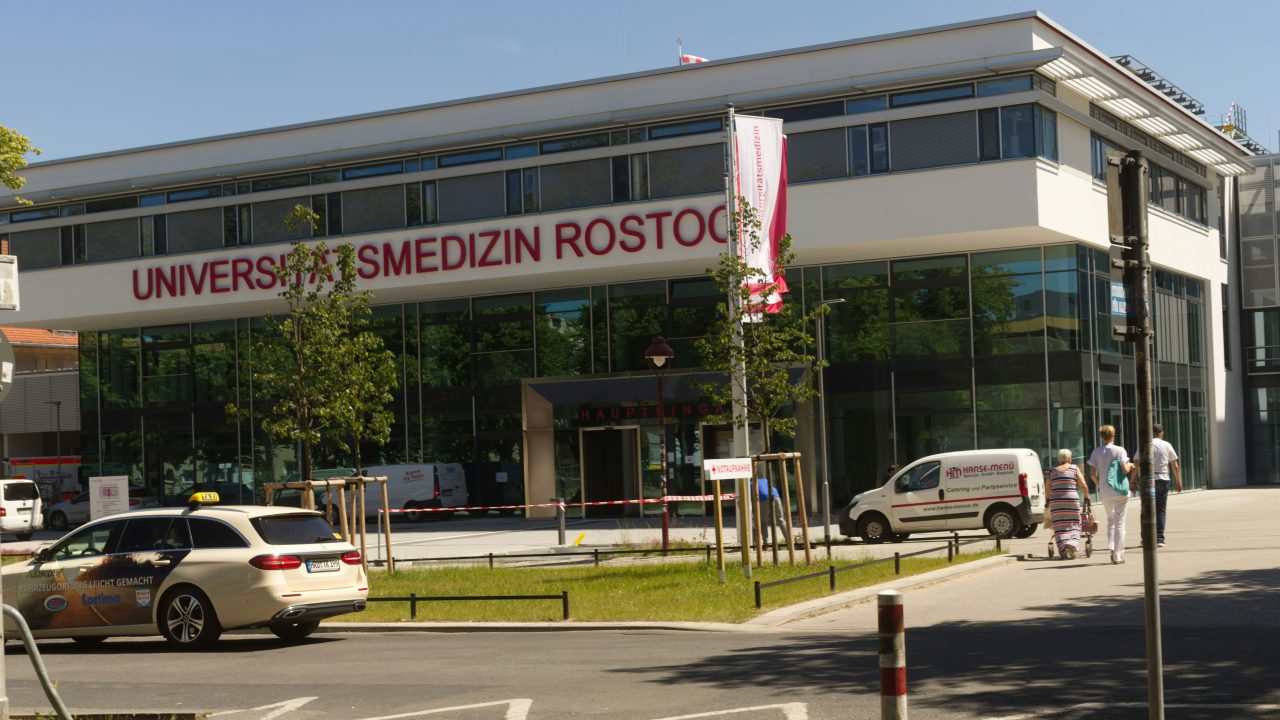
Hearing the word sarcoma for the first time can knock the wind out of you. Most people have never even heard of these tumors before they’re suddenly told they might have one. From that moment on, everything feels complicated and urgent.
That’s why many patients turn to Germany. Its major cancer centers routinely see rare sarcomas. Their teams are used to sorting out unclear diagnoses, planning limb‑preserving surgeries, and managing cases that don’t fit standard guidelines.
This guide explains how sarcoma care works in Germany, what options exist beyond standard chemotherapy, including regional chemotherapy programs, and how to choose a hospital safely when searching from another country.
Why Rare Sarcomas Require Specialized Centers
Sarcomas are uncommon, and Germany sees only about 5,000 cases a year. They come in many subtypes, and two tumors that look similar on a scan can behave very differently under the microscope. That’s why the first step, getting the diagnosis right, is so critical. A general pathology lab might encounter a sarcoma once in a while; a specialized center sees them every week.
International guidelines point patients toward high‑volume sarcoma centers for a reason. In Germany, these are usually large university hospitals with dedicated pathology teams, surgeons trained in limb‑preserving procedures, interventional radiology, and weekly tumor boards where complex cases are discussed in detail.
For patients coming from abroad, this experience makes a real difference. You’re not relying on a hospital that “rarely sees this.” You’re going to a place where rare tumors are part of everyday practice, and that can change the entire course of treatment.
How German Hospitals Approach Complex Sarcomas
When a sarcoma is confirmed, or even suspected, German hospitals start by ensuring the diagnosis is accurate. With rare tumors, a specialist pathology review can change the entire plan.
Next, the case goes to a multidisciplinary tumor board, where surgeons, oncologists, radiologists, and pathologists review it and decide on the safest approach. Limb‑preserving options are prioritized, and anything unclear is clarified before treatment begins.
These centers see many sarcoma cases, so unusual subtypes and borderline situations aren’t new to them. That kind of experience shows in the way they handle borderline cases and make day‑to‑day decisions. For international patients, it’s simply easier: one team, one plan, and no need to coordinate anything yourself.
Treatment Options for Rare Sarcomas in Germany
Once the diagnosis is clear, treatment in Germany follows a simple principle: do what works for the exact sarcoma subtype and avoid unnecessary harm. There’s no “one‑size‑fits‑all” plan, different sarcomas behave differently, and therapy is tailored accordingly.
Most patients will hear about a combination of surgery, radiation, and systemic therapy. But in complex or borderline cases, German centers also offer options that many hospitals abroad don’t have, including regional chemotherapy programs.
Surgery in High-Expertise Centers
Whenever possible, surgeons aim to remove the tumor without sacrificing the arm or leg. Germany has teams that specialize in limb‑saving procedures, even when the tumor is wrapped around vessels or nerves. Amputation is rarely the first choice. It’s the last resort.
Radiotherapy & Proton Therapy
Radiation is often used before or after surgery to reduce the tumor and the risk of recurrence. Some centers also offer proton therapy, which can be helpful for tumors in sensitive locations.
Systemic Therapy & Targeted Drugs
Chemotherapy, targeted therapy, and immunotherapy are used depending on the subtype. Some sarcomas respond well; others don’t. That’s why the pathology review is so important; the right drug depends entirely on the exact diagnosis.
Regional chemotherapy
For certain sarcomas of the limbs, German centers use regional chemotherapy techniques that deliver high‑dose drugs directly into the affected limb while keeping the rest of the body protected.
It includes isolated limb perfusion, chemoperfusion, and Extended Isolated Stopflow Limb Infusion (EISLI), an advanced method used when the tumor is large or locally advanced, or when amputation is being considered.
These programs are available on Airomedical, and patients can contact Prof. Dr Karl R. Aigner directly through the platform for case evaluation. He is one of the most experienced specialists worldwide in regional chemotherapy for complex sarcomas.
FAP‑targeted options for advanced cases
For selected situations, especially when standard treatments have already been tried, some patients may benefit from FAP-targeted radioligand therapy Lu-177–FAPI in Munich.
It is an emerging, highly specialized option offered at only a few centers worldwide. It combines FAPI PET/CT imaging with targeted Lu‑177 therapy to deliver radiation directly to FAP‑positive tissue while sparing the rest of the body.
Sarcoma Treatment in Germany for Foreigners
Going abroad for cancer treatment is stressful enough: unfamiliar language, and a rare diagnosis on top of everything. German hospitals deal with this every week. For most patients, the process turns out to be more organized and predictable than they imagined.
Once your diagnosis is confirmed, you receive a clear plan: which imaging is needed, whether surgery, radiation, systemic therapy, or a specialized option like regional chemotherapy is appropriate, and in what order. Another advantage is predictability. German centers follow strict clinical pathways, meaning all specialists work under one roof and one team is responsible for your care. You’re not collecting opinions from different clinics; the hospital does that internally.
For many foreign patients, platforms like Airomedical make the first step easier. Instead of cold‑calling hospitals or trying to search international clinics blindly, you can compare verified centers, see which treatments they offer, and understand whether your case fits a specialized program.
And because sarcomas are so rare, experience matters. German cancer registries include hundreds of sarcoma patients treated every year, and the large centers have handled more than 3,000 cases over the past two decades. That familiarity gives foreign patients something they often lack at home: a sense of stability and a clear direction.
Best Hospitals and Doctors for Sarcoma Treatment in Germany
When you start looking for sarcoma specialists abroad, the amount of information can feel overwhelming. In reality, the key factor is experience: for rare tumors, you want a center that sees many cases and works as a coordinated team.
There are several highest-rated German cancer clinics internationally known for sarcoma care. These are usually large university hospitals with dedicated sarcoma units, experienced pathology teams, and surgeons who focus on limb‑preserving procedures.
Some of the best hospitals for sarcoma treatment in Europe, located in Germany, include Charité Berlin, Heidelberg University Hospital, University Hospital Essen, LMU/TUM Munich, and the Mannheim sarcoma centers. They are involved in research and clinical trials, and they see enough cases to notice patterns smaller hospitals often miss.
Best Doctors for Sarcoma Treatment Abroad
Germany has several internationally recognized sarcoma specialists across surgical, orthopedic, medical, and interventional oncology. Some focus on complex limb tumors, others on retroperitoneal sarcomas, and a few, like Prof. Dr. Karl R. Aigner, are known for regional chemotherapy techniques used when standard options are limited.
For foreign patients, the real advantage isn’t just individual expertise but the structure behind it. German hospitals work in coordinated teams, follow clear clinical pathways, and review each case with multiple specialists before major decisions are made. With a rare tumor, that kind of organized, team‑based care matters far more than rankings.
How to Choose a Hospital for Cancer Treatment in Germany
When you’re looking for cancer treatment abroad, it’s easy to feel lost. Online, every hospital looks good, but when it comes to sarcoma, the key factor is experience.
German cancer centers follow a clear structure: proper diagnostics, multidisciplinary tumor boards, and coordinated teams. But not all hospitals have the same background with sarcomas, so it’s better to focus on specific quality markers rather than on marketing.
Here’s what to check when comparing hospitals:
- Experience with rare sarcomas, not just common cancers.
- A dedicated multidisciplinary tumor board.
- Specialized pathology for soft‑tissue and bone tumors.
- Limb‑preserving surgical options.
- Access to regional chemotherapy programs.
- Availability of Lu‑177–FAPI for selected advanced cases.
- Clear communication for international patients.
- Transparent plans and timelines.
- Participation in research networks.
- High patient volume.
If a hospital meets most of these criteria, you’re likely looking at a strong center. And if you’re unsure where to begin, Airomedical service makes it easy to compare verified clinics, see which treatments are available where, and understand whether your case fits a specialized program without cold‑emailing hospitals on your own.
How to Book Medical Treatment Abroad Safely
Looking for treatment abroad can feel confusing when you’re already dealing with a diagnosis. A good hospital starts by reviewing your case, explaining what they can do, and giving a realistic cost estimate. You should also know who will be treating you and how long each step is likely to take. Large German centers also have international offices that handle scheduling, translations, and paperwork.
Healthcare portals like Airomedical add an extra layer of safety. You can compare verified clinics, see which treatments are available where, and avoid contacting dozens of hospitals yourself.
With clear communication and an upfront medical review, arranging treatment abroad becomes a manageable process.
FAQ
What are the best hospitals for sarcoma treatment in Europe?
Some of the best hospitals for sarcoma treatment in Europe are in Germany, including Charité Berlin, Heidelberg University Hospital, University Hospital Essen, LMU/TUM Munich, and the Mannheim sarcoma units. These centers have high case volumes and dedicated sarcoma teams.
How to choose a hospital for cancer treatment in Germany?
Look for sarcoma centers that treat many cases, offer limb‑preserving surgery, and provide advanced treatment. Airomedical platform helps you compare accredited clinics and find those that fit your case.
Do I need a confirmed diagnosis before traveling?
No. Most hospitals accept cases for review based on existing scans and pathology. If something needs to be repeated, they’ll tell you before you travel.
How to book medical treatment abroad safely?
Book treatment through verified hospitals. A good center reviews your case and gives a realistic cost estimate. For instance, the international Airomedical portal links patients only to accredited clinics, avoiding unverified options.
References
- Casali P.G., et al. Soft Tissue and Visceral Sarcomas: ESMO–EURACAN Clinical Practice Guidelines. Annals of Oncology, 2018.
- Kozina J. & Dr. Volvak M. Top 10 Best Cancer Hospitals In Germany. Airomedical, 2026.
- NCCN Guidelines Panel. NCCN Clinical Practice Guidelines in Oncology: Soft Tissue Sarcoma. National Comprehensive Cancer Network, Version 2024.
- Dr. Volvak M. & Dr. Ahmed F. Best Hospitals In Germany – TOP 25. Airomedical, 2025.
- German Cancer Society (DKG). Certified Sarcoma Centers in Germany. DKG Registry, 2023.
Buy Me A Coffee
The Havok Journal seeks to serve as a voice of the Veteran and First Responder communities through a focus on current affairs and articles of interest to the public in general, and the veteran community in particular. We strive to offer timely, current, and informative content, with the occasional piece focused on entertainment. We are continually expanding and striving to improve the readers’ experience.
© 2026 The Havok Journal
The Havok Journal welcomes re-posting of our original content as long as it is done in compliance with our Terms of Use.