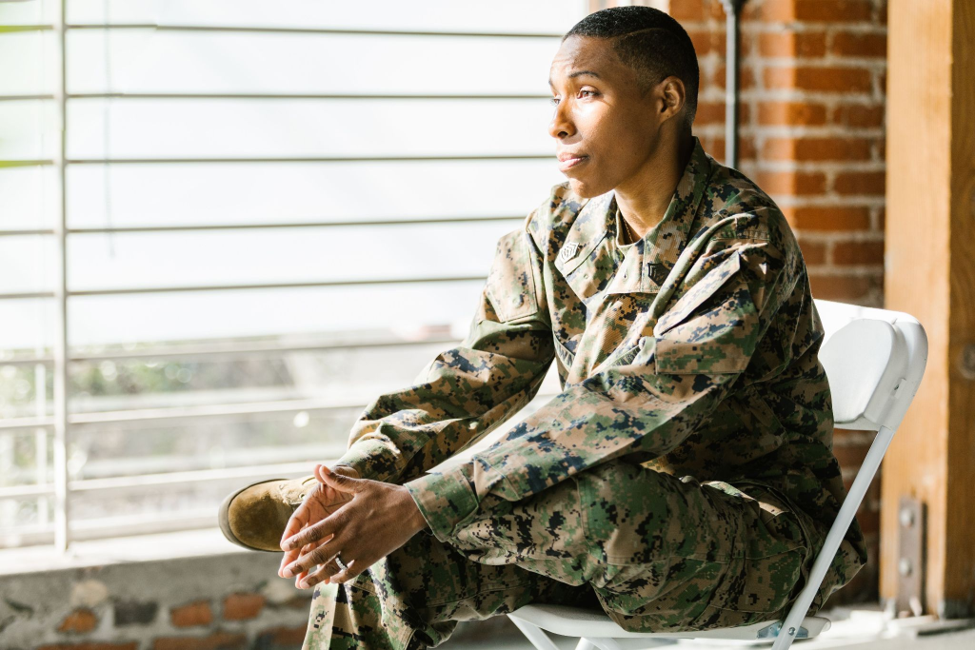
Serving in the armed forces requires immense sacrifice and physical resilience. Female service members face distinct health challenges that often go unnoticed during broader discussions about defense readiness. Their military roles demand great strength, endurance, and equal access to medical care. Securing this level of support is critical for their long-term well-being.
Medical support systems must adapt to meet the specific needs of these active duty women. A closer look at the military medical system reveals significant areas where support can be improved for female soldiers. Addressing these gaps will strengthen the entire defense force.
Understanding the Unique Physical Demands of Service
Military training pushes the human body to its absolute limits. Active duty women carry heavy gear, perform intense physical labor, and endure harsh environmental conditions daily. Overcoming these daily physical strains requires constant effort from every soldier.
These strenuous activities can place extreme stress on the reproductive system. Hormonal imbalances, stress fractures, and cycle disruptions are common among female soldiers during high-intensity operations. Many soldiers choose to endure these issues silently to avoid missing important training events.
Addressing these physical tolls requires a deep understanding of female physiology. Medical providers in the military must recognize how rigorous duty cycles impact long-term wellness. Supporting the physical health of soldiers remains key to general operational readiness.
Navigating Reproductive Health Challenges in the Field
Deployments to remote areas create additional barriers to medical resources. Women often lack privacy and clean facilities, which makes managing basic menstrual hygiene difficult. These conditions can worsen pre-existing health concerns during long field exercises.
Active duty service members face unique physical demands that can impact their reproductive health. Finding access to reliable uterine fibroids treatment remains a primary concern for many female soldiers stationed far from major medical centers. These personal medical challenges often require specialized care—the kind that local military clinics cannot always provide on short notice.
Without timely medical intervention, common health issues can progress into chronic painful conditions. Early education on reproductive care is necessary to help service members identify warning signs early. Proper training before deployment helps soldiers manage their health under tough conditions.
The Gap in Specialized Care for Female Soldiers
General practitioners at military clinics handle many routine checkups. Specialized gynecological care is not always readily available on site. Women must often wait weeks to see an outside specialist.
Many service members encounter specific administrative obstacles when seeking specialized consultations. These obstacles often include:
- Long wait times for specialist referrals at military treatment facilities.
- Limited availability of female doctors in remote training environments.
- Strict scheduling conflicts with mandatory field exercises. These delays can lead to worsening symptoms before proper care is received.
Many women choose to delay seeking care to avoid falling behind in their training. This hesitation can lead to long-term health complications that affect military readiness. Protecting female health must be a priority for military leadership.
How Deployment Affects Routine Medical Screenings
Maintaining a regular screening schedule is difficult during active deployments. Annual exams and preventative screenings are frequently delayed during operational assignments. Missing these exams can lead to unrecognized health developments.
These delays can prevent the early detection of manageable conditions. When screenings are missed, minor issues can develop into severe medical problems that require complex surgeries. Regular screenings are necessary to detect issues before they become severe.
Military medical systems must implement flexible scheduling to protect female service members. Providing mobile screening clinics in field environments could help bridge this gap. Better access to preventative screenings keeps the entire force healthier.
Advocating for Better Research on Female Veteran Health
Historically, medical research has focused heavily on the health needs of male service members. This focus leaves a significant gap in our understanding of female-specific health conditions. Addressing this historical gap is critical for modern healthcare.
Studying reproductive health conditions like menopause and fibroids is a top priority for older female veterans. Prioritizing these conditions can lead to improved treatment pathways. Such initiatives are necessary to address years of neglected military health research.
Better data will help doctors develop more effective treatments tailored to the military lifestyle. Investing in this research is critical to improving long-term care for those who served. Understanding these health patterns will help future generations of female soldiers.
Improving Support Systems for Active Duty Mothers
Balancing the demands of motherhood with active duty service presents unique challenges. New mothers face physical recovery during their quick return to demanding physical duties. Proper recovery time is key to maintaining long-term physical readiness for duty.
Support systems must adapt within military units to help these women transition smoothly. Key areas needing improvement include:
- Accessible lactation spaces near operational work areas.
- Flexible scheduling for post-pregnancy medical follow-ups.
- Standardized guidelines for physical training adjustment after birth. Addressing these specific needs helps maintain unit cohesion and medical readiness.
Commanders play a critical role in supporting postpartum soldiers. Clear communication and supportive unit policies make a significant difference in a mother’s physical recovery. Providing this support helps retain experienced female service members.
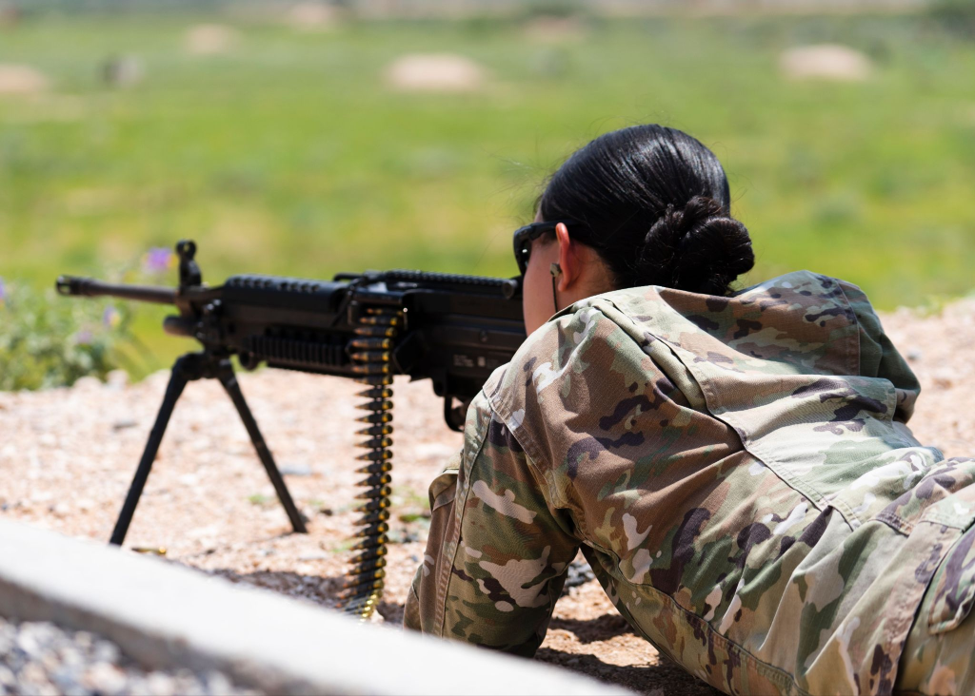
The unique challenges faced by women in the military deserve careful attention and action. Improving healthcare policies is a necessary step toward supporting those who defend the nation. Every female soldier deserves access to comprehensive medical resources.
By addressing gaps in specialized care and research, the military can build a healthier force. Supporting female soldiers’ health is a commitment that benefits everyone. Stronger healthcare systems lead to a more prepared and capable defense force.
Buy Me A Coffee
The Havok Journal seeks to serve as a voice of the Veteran and First Responder communities through a focus on current affairs and articles of interest to the public in general, and the veteran community in particular. We strive to offer timely, current, and informative content, with the occasional piece focused on entertainment. We are continually expanding and striving to improve the readers’ experience.
© 2026 The Havok Journal
The Havok Journal welcomes re-posting of our original content as long as it is done in compliance with our Terms of Use.

