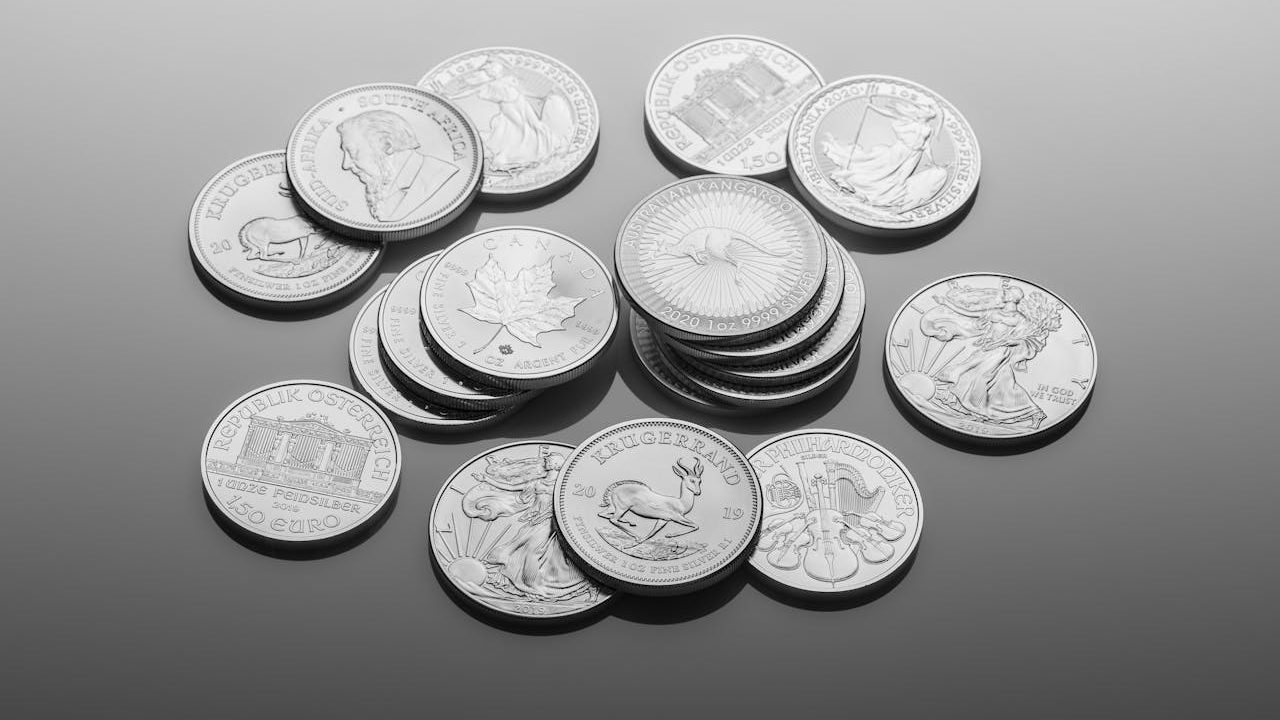
Photo by Mathieu Stern on Unsplash
Understanding the difference between bullion value and numismatic value is the first step toward becoming a successful collector of fine currency. While a standard gold bar is worth exactly the weight of its metal, a historic coin carries a premium that transcends its physical content.
These pieces of currency are essentially historical artifacts that have survived through the ages to tell a specific story about a time and place. They represent the artistic and economic ambitions of the nations that struck them, serving as tiny windows into a world that no longer exists today.
Building a portfolio of high-quality rare coins requires a deep appreciation for the factors that make a specific specimen desirable to the global market. By focusing on pieces with a strong historical narrative, a collector can ensure their holding remains valuable even when the spot price of metal fluctuates.
The Role of Mintage and Survival Rates
The role of the official mintage figure is often the first metric that people look at when determining the potential scarcity of a new find. A low number of original strikes usually suggests that a coin will be harder to find in the future, driving up the price.
However, even high-mintage years can become incredibly scarce if a large portion of the original run was eventually melted down by the government. Survival rates are often much lower than the original records suggest, especially for silver pieces that were recycled during times of high metal prices.
This hidden scarcity is what creates the most exciting opportunities for those who know how to read the data behind the market. Finding a specimen that shouldn’t exist in high numbers is the ultimate goal for anyone who values the hunt for rare and precious historical items today.
Professional Grading and the Sheldon Scale
Understanding the importance of professional grading is essential for protecting your interest when buying or selling high-value currency in the open market. The Sheldon 1-70 scale provides a universal language that allows experts to communicate the exact condition of a coin without any confusion.
Third-party certification from a reputable organization like PCGS or NGC confirms the authenticity of the piece and assigns a numeric grade to its surface quality. This process removes the guesswork and ensures that you are paying a fair price for the actual state of the metal.
A certified holder also protects the coin from environmental damage, preserving its luster and detail for many years of display and storage. Having this professional seal of approval is a requirement for any serious collector who wants to maintain the long-term value of their physical assets.
The Impact of History and Provenance
Major historical events, such as wars or bank failures, often shape the story of a coin and add a layer of prestige that bullion lacks. A coin that was recovered from a famous shipwreck or hidden during a revolution carries a weight of history that captures the imagination.
The impact of provenance refers to the history of previous owners who have held the piece in their own private collections over the decades. Knowing that a coin was once part of a famous estate adds a sense of legitimacy and grandeur to the specimen.
This storytelling aspect is what draws many people into the world of numismatics in the first place. Holding a piece of the past that has survived a significant conflict or a change in government provides a thrill that a modern bar simply cannot replicate for fans.
Navigating Market Demand and Psychology
Navigating the market demand for specific series requires a deep understanding of the psychological factors that drive collectors to spend money today. Many people are motivated by the desire to complete a specific set or find every year of a classic design like pre-1933 gold.
Classic silver dollars and early copper pieces remain some of the most popular areas of the market because they are widely recognized and highly liquid. The competition for the finest examples of these series can be intense, leading to significant price increases over a period.
Trends in the market can shift, but the demand for high-quality and scarce items remains remarkably stable across different generations of buyers. Focusing on the pieces that people have loved for a century is a safe and reliable way to build a collection that will endure.
Preserving the Legacy of the Past
The long-term appreciation potential for high-quality and scarce currency is a significant draw for those looking for a tangible and beautiful asset. When you buy a rare coin, you are investing in a finite resource that can never be replaced or struck again by a mint.
Final reflections on the joy of preserving a physical piece of the past reveal a hobby that is both financially rewarding and intellectually stimulating. It is a way to stay connected to history while building a legacy that can be passed down to your children.
Building a balanced collection takes time and patience, but the rewards are well worth the effort for anyone who values quality. Rare currency remains one of the most prestigious and secure ways to hold wealth in a world that is increasingly digital and fast.
Buy Me A Coffee
The Havok Journal seeks to serve as a voice of the Veteran and First Responder communities through a focus on current affairs and articles of interest to the public in general, and the veteran community in particular. We strive to offer timely, current, and informative content, with the occasional piece focused on entertainment. We are continually expanding and striving to improve the readers’ experience.
© 2026 The Havok Journal
The Havok Journal welcomes re-posting of our original content as long as it is done in compliance with our Terms of Use.


