Written by: LTC Robert “Bobby” Ali, CW2 Jonteia Taliaferro, SFC Amanda Junkans, and TSgt Marques Wallace
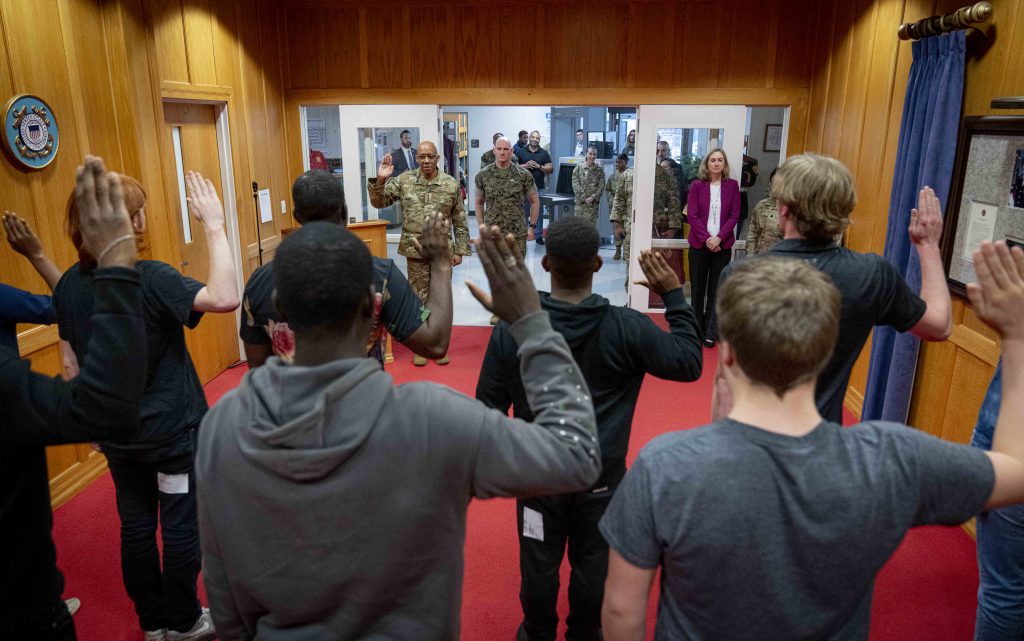
The differences between generations have always positively and negatively impacted institutions striving to stay relevant. The constant emergence of new technologies, cultural nuances, and ways of living has been crucial in bringing about institutional change. As an institution, the Military faces its own set of challenges when mentoring recruits. While it is essential to encourage physically and mentally strong young people to join the Military for national security, there is also the challenge of helping them reach their leadership potential. Understanding the culture and environment that shaped them is essential, as this will contribute to their overall well-being in the Military. This article explores the challenges and opportunities in mentoring the next generation of Military recruits by analyzing the differences between three social generations: Generations X, Y, and Z.

Understanding the three social generations in the Military
The Military consists of warfighters from three distinct social generations. The eldest group, Generation X (born between 1965 and 1980), is motivated by diversity, work-life balance, and personal-professional interests. They prefer phone calls and face-to-face interactions and are known for flexibility, informality, skepticism, and independence.
Generation Y, also known as millennials (born between 1981 and 1996), has been shaped by events like Columbine, 9/11, and the rise of the internet. They are motivated by a sense of responsibility, their managers’ quality, and unique work experience. Millennials prefer communication through computer messaging, text messages, and email. They are described as competitive, civic-minded, and achievement-oriented.
Generation Z (born between 1997 and 2012) has had their worldview shaped by life after 9/11, the Great Recession, and early technological access. They are motivated by diversity, personalization, individuality, and creativity and prefer communicating through social media, text, and instant messengers. Gen Z individuals are often characterized as global, entrepreneurial, progressive, and less focused.
Generational challenges and opportunities
Generational differences pose both challenges and opportunities in the modern workforce. Each generation, from Baby Boomers to Gen Z, brings unique motivations, communication styles, and values. For example, Millennials and Gen Z prefer communication through email and instant messages, while Gen X, often in leadership positions, leans towards face-to-face or phone communication. Moreover, work-life balance is a priority for Gen X and Millennials. At the same time, Gen Z, the future leaders, tends to prioritize independence and individuality, potentially resulting in non-traditional work hours.
However, despite these differences, effective mentoring can still be achieved by understanding and leveraging each generation’s values and preferred communication styles. By doing so, leaders can tailor their messages to benefit the organizational mission and the individual.
In the military context, leaders must adapt their approach to accommodate the beliefs and values of the newest generation of soldiers. This generation has grown up in an environment where opportunities are considered optional, convenience is expected over hard work, and social media heavily influences behavior and knowledge acquisition. Adapting leadership styles to reflect these changing values is crucial for a leader.
Moreover, the military has recognized the importance of engaging with today’s youth through social media. This has led to a shift in marketing and recruitment strategies, with leaders adapting their communication styles to engage with the new generation effectively. Understanding their language and effectively conveying messages has become integral to leadership in this context.
Additionally, the challenge of achieving work-life balance is something that many successful military leaders face. Younger soldiers are more vocal about feeling overwhelmed and the need for breaks, and displaying understanding and support for their needs is a crucial aspect of leadership. Retaining soldiers is increasingly challenging, with many opting for education or better-paying civilian positions. Recognizing and appealing to the younger generation’s need for self-care and preservation is vital for attracting and retaining talent while promoting better self-care practices within the military.

Understanding the way forward
To effectively mentor the Military’s next generation of leaders, it is crucial to understand and leverage each generation’s distinct motivations, communication styles, and values, from Generation X to Generation Z. Each generation has unique characteristics and preferences that impact how they perceive leadership and respond to mentorship. Understanding and adapting to these differences is essential for effective mentorship.
Leaders should adapt their approach to accommodate the beliefs and values held by the newest generation of soldiers. Generation Z, for example, has grown up in a digital age characterized by rapid technological advancements and extensive exposure to social media. This generation values inclusivity, diversity, and social responsibility. As such, leaders need to recognize the impact of social media and the expectation of convenience over hard work. They should also consider integrating these values into the Military’s leadership and mentorship approach to resonate with and effectively guide the newest generation of soldiers.
Tailoring communication styles to engage with the new generation effectively is paramount. Generation Z is highly connected and accustomed to using various social media and digital platforms for communication and information sharing. Leaders should proficiently utilize these modern platforms to connect with and guide younger soldiers. By adapting to their preferred modes of communication, leaders can establish rapport, foster trust, and effectively mentor the next generation of Military leaders.
Additionally, displaying understanding and support for the younger generation’s need for work-life balance and self-care is crucial. Generation Z places a high value on personal well-being and seeks careers that allow them to prioritize their physical, mental, and emotional health. Leaders can promote better self-care practices within the military by recognizing and addressing these needs. This approach not only attracts and retains talented individuals but also contributes to the overall well-being and success of the institution.
By recognizing and addressing these generational nuances, leaders can effectively mentor the next generation of Military leaders and foster an environment that promotes the overall well-being and success of the institution. Understanding and catering to each generation’s unique characteristics, values, and communication styles is fundamental to effective mentorship and leadership in the Military.
___________________________
LTC Ali, SFC Junkans, and TSgt Wallace serve within the J1 Directorate at Special Operations Command Africa, headquartered in Stuttgart, Germany. CW2 Taliaferro, who serves with the U.S. Army Cadet Command 7th Brigade, headquartered at Fort Knox, Kentucky, also contributed to this article.
As the Voice of the Veteran Community, The Havok Journal seeks to publish a variety of perspectives on a number of sensitive subjects. Unless specifically noted otherwise, nothing we publish is an official point of view of The Havok Journal or any part of the U.S. government.
Buy Me A Coffee
The Havok Journal seeks to serve as a voice of the Veteran and First Responder communities through a focus on current affairs and articles of interest to the public in general, and the veteran community in particular. We strive to offer timely, current, and informative content, with the occasional piece focused on entertainment. We are continually expanding and striving to improve the readers’ experience.
© 2026 The Havok Journal
The Havok Journal welcomes re-posting of our original content as long as it is done in compliance with our Terms of Use.