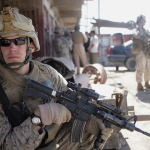
Photo by Sergey Zolkin on Unsplash
Stolen valor involves lying about military service. It includes wearing medals or claiming ranks never earned. This behavior offends true veterans and misleads the public. Some individuals seek money, fame, or admiration by pretending to have served. Others use fake stories to sway public opinion or gain unfair advantages. Many of these false claims appear on social platforms. As a result, the online world has become a main hub for such deceptive acts.
Understanding Stolen Valor
Stolen valor is illegal in many areas. Laws exist to punish those who wear unearned honors. Yet, the internet makes it easy for people to spread tall tales. A simple profile update or post can create a convincing backstory. A false claim might read, “I’m a special forces vet with multiple tours.” Then, unsuspecting users may show support or offer donations. This can lead to real harm, as honest veterans feel betrayed and donors lose money.
Disrespect to Real Service Members
True service members endure rigorous training, long deployments, and real danger. They make sacrifices for their country. When someone fakes a military background, it diminishes the honor earned by actual veterans. One retired army ranger shared, “I served in intense conditions overseas. Seeing someone boast of the same experiences without proof feels like a slap in the face.” Such reactions highlight the deep frustration caused by stolen valor.
The Harmful Impact
False claims damage public trust. They create doubts about who is genuine and who is seeking attention. This confusion might affect the support given to actual veterans. People might pause before donating to charities or assisting those who say they served. In the long run, genuine veterans may face skepticism that disrupts their access to benefits.
A recent survey found that 60% of Americans see stolen valor as a major offense that should result in criminal charges. This strong response shows that many see the practice as more than a harmless fib. It undercuts values of bravery, sacrifice, and integrity.
Eroding Trust
Online discussions rely on honest interaction. Stolen valor stories draw attention. They might attract praise and kindness from unaware users. When the truth emerges, it weakens the group’s sense of unity. People ask, “Who else is lying?” That fear leads to a rise in suspicious attitudes. Trust is hard to rebuild once broken.
Why It Happens
Individuals might claim heroic backgrounds for financial gain. Others do it to feed their need for admiration. They post pictures in uniforms or show medals to appear credible. Sometimes, they try to launch fundraising campaigns. Such efforts can produce quick money before they vanish with the cash.
False Claims for Benefits
Some pretend to be veterans to secure government aid or community perks. These might include housing programs, job preferences, or medical care. One statistics report revealed that fraudulent attempts to gain veteran benefits cost taxpayers millions each year. This robs real veterans who truly need support.
Spotting Stolen Valor Online
Users should remain watchful when they encounter surprising military claims. A cautious approach involves simple background checks. Some websites let you verify a person’s record if they claim certain awards or units. Public databases may show real details for documented veterans. If someone refuses to show any proof, it raises suspicion.
Checking Background
Look for inconsistencies in their stories. Dates might conflict, or their rank might change mid-discussion. You might see them claim service under multiple branches, or mention missions that don’t fit their timeline. One combat veteran noted, “I knew a supposed special ops guy whose uniform patches were all wrong. He couldn’t name standard gear from basic training.” These red flags often reveal a fake resume.
Solutions and Recommendations
Honest people want to protect veterans’ dignity and cut off lies. There are many ways to push back. Organizations that track military records can be contacted for guidance. Platforms can close accounts that lie about service. Governments can enforce stolen valor laws to punish offenders. But each of these measures requires vigilance from everyday users.
Reporting Suspicious Claims
If you suspect a user is faking military service, gather evidence. Take screenshots of their claims and note inconsistent posts. Check your local laws about stolen valor. Contact the appropriate authority or veteran group. Some sites have tools to remove content online that violates community guidelines. Reporting these cases helps keep communities truthful and safe.
Advocate for Stronger Penalties
Some places have strict laws for stolen valor. Others rely on public shame and pressure to hold offenders accountable. Veterans’ groups push for heavier penalties to stop fraud. Public support for these efforts can inspire change. You can sign petitions or support bills that protect genuine service members.
The Path Forward
Stolen valor hurts real veterans. It also harms the broader community that rallies around those who serve. Trust in online spaces depends on real stories and real experiences. Communities must work together to spot lies. When exposed, these falsehoods should face direct action. This might involve contacting relevant agencies or using platform policies to shut down fake accounts.
One proud veteran stated, “I don’t want medals or praise I didn’t earn. I just want truth and respect.” That simple desire reflects a common wish among those who served honorably. They deserve recognition, not confusion. Stolen valor cheapens their sacrifices. It also risks funneling resources away from those who truly need help.
Education is key. Many people never learn about stolen valor’s legal status or the damage it causes. By sharing these facts, we reduce the chance that well-meaning friends will fall for someone’s made-up heroics. If more users ask for evidence, fewer impostors can thrive. We won’t end all fraud, but we can cut it down.
Online platforms grow larger every day. This means more chances for both real accounts of bravery and fake tall tales. Taking steps to preserve honesty benefits everyone. Whether it’s a quiet check on suspicious claims or pressing the authorities for real consequences, each action helps. The goal is a space where veterans get the respect they earned and impostors face the outcome they deserve.
Public awareness also matters. Talk openly about stolen valor with friends and family. Share tips on spotting false claims. Encourage them to question suspicious posts. Healthy skepticism keeps everyone informed. By tackling misinformation, you keep the focus on true heroes who put their lives on the line.
With consistent efforts, the online realm can be a place where real stories of service shine bright. Phony claims will run into barriers set by watchful eyes and active platforms. Veterans will find more support and less confusion. Most important, communities will learn to value honest acts of courage without fear of fakes stealing the spotlight.
Buy Me A Coffee
The Havok Journal seeks to serve as a voice of the Veteran and First Responder communities through a focus on current affairs and articles of interest to the public in general, and the veteran community in particular. We strive to offer timely, current, and informative content, with the occasional piece focused on entertainment. We are continually expanding and striving to improve the readers’ experience.
© 2026 The Havok Journal
The Havok Journal welcomes re-posting of our original content as long as it is done in compliance with our Terms of Use.