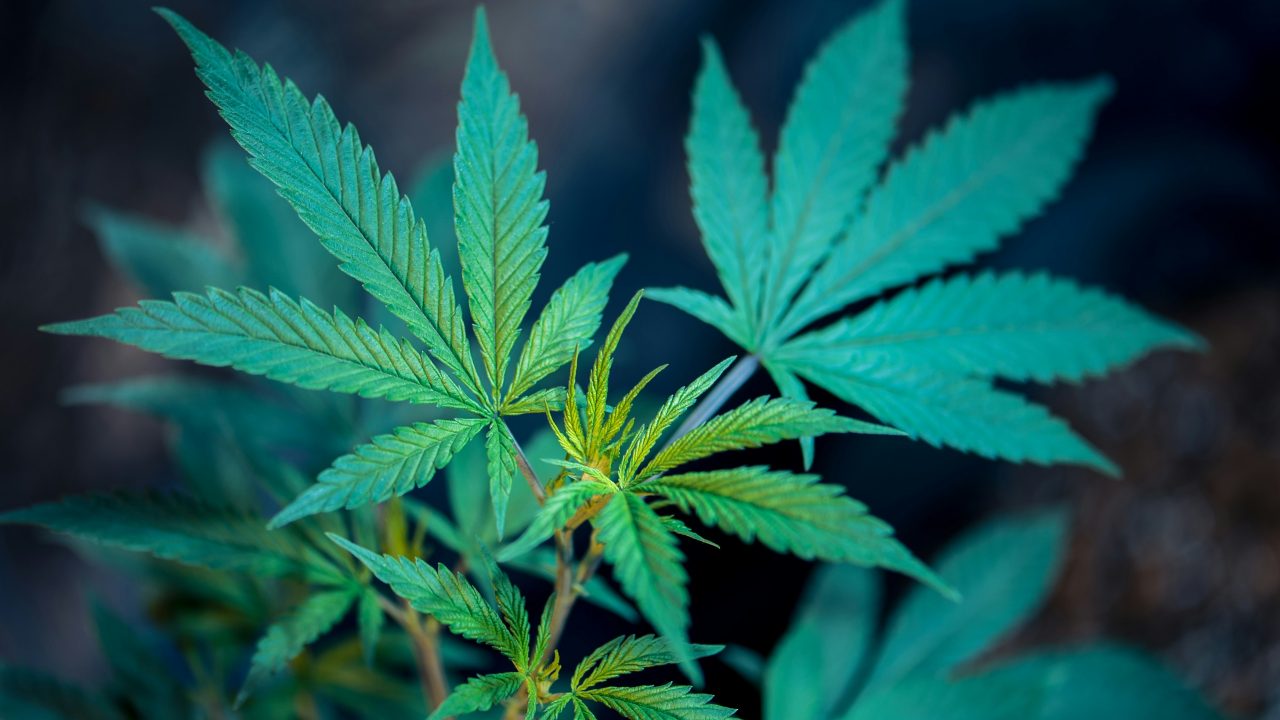
Photo by Roberto Valdivia on Unsplash
Recent years have witnessed an accelerated push toward legalizing cannabis worldwide. Not only have laws been altered by legalization, backyards, and balconies have been transformed into personal dispensaries. Home cultivation of marijuana for either medical or recreational use creates an exciting blend of horticultural passion and social engagement – creating meaningful community bonds as well as open dialogue about its usage and benefits.
Understanding Home-Grown Cannabis
The Basics of Growing at Home
Growing cannabis at home starts with understanding its fundamental needs: light, water, and nutrients are necessary for it to flourish, and these must be provided consistently for maximum yields. To be successful at home growing cannabis, there must be balance among these aspects: light must not outstrip water, and nutrients must not be lacking if your goal is a success!
- Light: Marijuana plants require ample lighting during their flowering stage; at least 12 hours of direct sunlight is recommended daily for optimal flower production.
- Water: Consistent watering practices are of the utmost importance for cannabis cultivation, as they maintain moist yet non-soggy soil conditions.
- Nutrients: It is essential to use an appropriate fertilizer that matches the plant’s developmental stage—nitrogen-rich for vegetative growth and phosphorus-rich for flowering.
Legal Considerations
Before planting the first seed, it is crucial to familiarise oneself with local laws regarding cannabis cultivation. Many regions have specific rules regarding this matter.
Factors like:
- How many plants can you cultivate at once, and what is their location?
- legal age requirements for cultivation;
- benefits and drawbacks to home cultivation of cannabis,
- quality control measures
- security issues
They should all be taken into consideration before initiating cultivation at home.
Benefits of growing cannabis at home
Quality Control and Safety
One of the many advantages of growing cannabis at home is being in control over what ends up on your desk. Home cultivators can:
- Avoid pesticides and other hazardous chemicals often used in commercial cultivation.
- Maintain potency and strain purity,
- Select quality seeds
- Manage the growth environment.
Therapeutic Engagement
Gardening itself can be therapeutic, and when combined with cannabis, it provides individuals with an opportunity to connect directly with a plant that may be vital in maintaining good health. Nurturing an entire seedling from seedling to flower can be deeply rewarding, helping cultivate an appreciation and knowledge of its benefits.
Community Impact
Strengthening Local Networks
Home gardening often results in sharing knowledge, resources, and experiences within local communities. Gardening clubs, online forums, and community gardens have become hubs of activity where enthusiasts come together.
- Swap cultivation practices.
- Swap seeds or clones from different strains.
- Discuss their potential health benefits for various medical conditions.
Destigmatizing Cannabis
With more people turning their homes to home cultivation of cannabis, its stigmata are gradually being dispelled. Open dialogue about its uses, cultivation challenges, and benefits helps normalize cannabis presence in everyday life, encouraging an informed yet accepting understanding of its role within society.
Challenges and Solutions
Common Growing Pains
New growers often encounter hurdles like pest infestation, nutrient deficiency, or environmental conditions that pose obstacles. Solutions could include:
- Neem oil can serve as an effective pesticide alternative.
- Nutrient levels should be adjusted based on plant feedback (e.g., leaf color and texture).
- Indoor growing techniques should also be utilized to combat adverse weather effects.
Navigating Social Hurdles
Achieving widespread acceptance is no simple journey, as misconceptions and legal uncertainties can complicate interactions within communities and personal disclosures about growing weed. Education plays a crucial role here, as knowledgeable growers can lead community efforts to inform and clarify the legality and benefits of growing cannabis.
Conclusion
Homegrown cannabis cultivation is more than just a hobby; it’s an opportunity for individuals to build sustainability, health, and community.
By picking up gardening tools and seeds to cultivate cannabis at home, they’re planting the seeds for a greener future where cannabis not only provides recreational and therapeutic benefits but is recognized for community development purposes such as open dialogue. By participating in this green thumb revolution, participants can achieve not only greener days but also an understanding and united community.
Buy Me A Coffee
The Havok Journal seeks to serve as a voice of the Veteran and First Responder communities through a focus on current affairs and articles of interest to the public in general, and the veteran community in particular. We strive to offer timely, current, and informative content, with the occasional piece focused on entertainment. We are continually expanding and striving to improve the readers’ experience.
© 2026 The Havok Journal
The Havok Journal welcomes re-posting of our original content as long as it is done in compliance with our Terms of Use.


