By an Anonymous Veteran
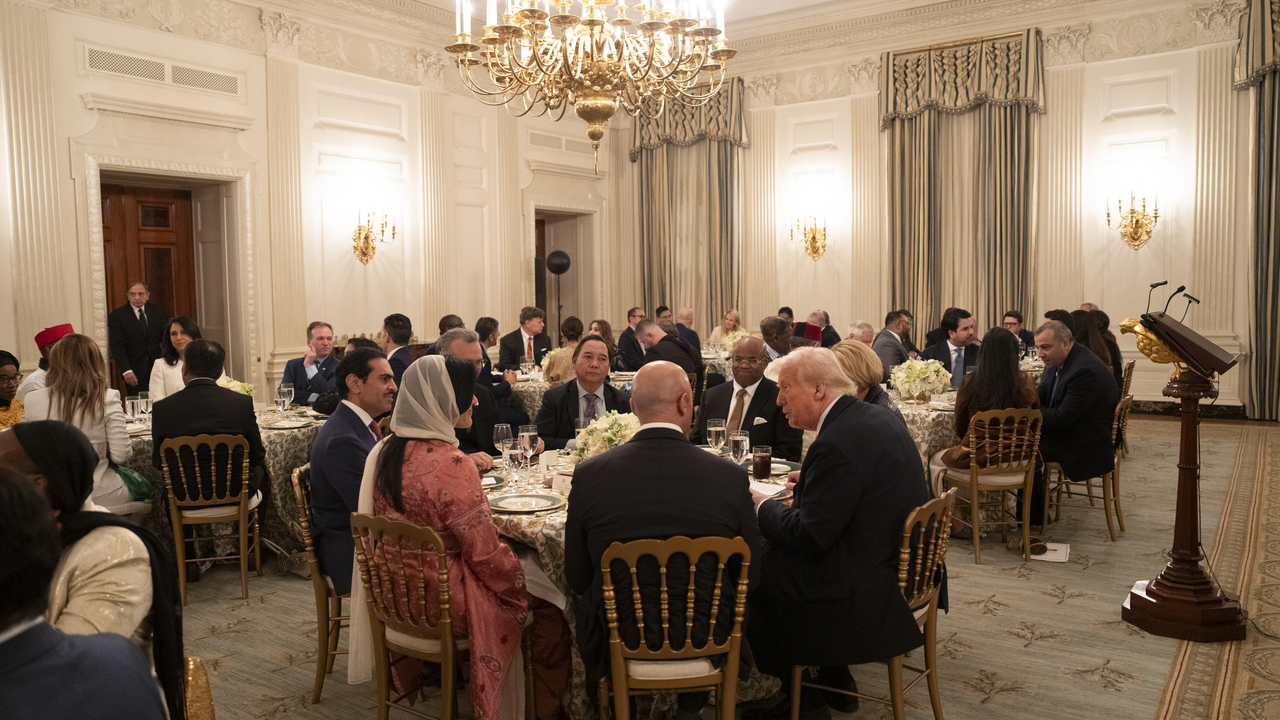
I am conflicted about something, and I don’t have a neat answer. There is a growing debate in some communities over the construction of mosques, and part of me has a very simple response: This is America. We have religious freedom. If a Christian congregation can buy property and build a church, a Muslim congregation should be able to buy property and build a mosque under the same zoning laws and building codes. That’s the principle I was raised to believe in, and it’s one I still believe in.
But another part of me is worried. My concern isn’t that Muslims pray differently than I do, follow different dietary rules, dress differently, or believe things about God that I reject. Religious freedom would mean very little if it applied only to religions with which I agreed.
What worries me is Islamism, the political idea that Islamic religious law should govern society and ultimately take precedence over secular constitutional government. I am particularly troubled when people advocate replacing constitutional law with Sharia, restricting criticism of Islam, physically punishing apostasy or blasphemy, or denying non-Muslims rights that Muslims enjoy. Those aren’t imaginary ideas, and pretending otherwise doesn’t make the problem disappear.
The problem is that another danger appears the moment I start asking what government should do about it. If we allow a city council to deny Muslims permission to build a mosque because some Muslims advocate an ideology hostile to constitutional government, what principle have we established? Could another city council someday decide that conservative Christians are dangerous because of “Christian nationalism”? Could it decide that a particular church’s teachings about government make the congregation a threat, or that a synagogue’s political associations make it undesirable?
Once government possesses the power to decide which religions are sufficiently trustworthy to deserve religious freedom, religious freedom has become something else entirely. That possibility worries me too.
I Don’t Want Another McCarthy Era

I’ve spent a fair amount of time reading about and watching the history of the McCarthy era. There actually were Soviet spies, and there actually were Americans working on behalf of the Soviet Union. Communism wasn’t an imaginary adversary invented by paranoid politicians. But the existence of a real threat did not justify every method used to combat it.
Suspicion became guilt by association. People’s careers and reputations could be destroyed because of who they knew, what organization they once joined, or what somebody alleged about them. I don’t want America to repeat that mistake with Muslims, but I also don’t want fear of repeating McCarthyism to leave us incapable of recognizing a genuine ideological threat when one exists. That’s the dilemma.
“By Their Fruits, You Shall Know Them”

As a Christian, I’m naturally drawn to the biblical principle, “By their fruits you shall know them.” In practical terms, judge people by what they actually do. Don’t assume that the Muslim family down the street believes in killing apostates because somebody in the next town does. Don’t assume that an imam advocates overthrowing the Constitution simply because he is an imam. Millions of people should not be held responsible for the conduct of others who happen to share their religion.
The problem is that sometimes waiting for the fruit means waiting until damage has already occurred. We don’t normally deal with serious threats by deliberately ignoring warning signs until catastrophe arrives. We investigate conspiracies before they succeed, take credible threats seriously before somebody is killed and study hostile political movements before they acquire power.
So where is the line between reasonable vigilance and religious persecution? I don’t know. I am increasingly suspicious of people who pretend it’s an easy question.
“Just Trust the Government” Doesn’t Satisfy Me

One answer is that we should simply enforce existing laws: protect religious freedom, allow mosques to be built and let the FBI, police, prosecutors and courts deal with anyone who crosses the line into criminal activity. In principle, that sounds right. After watching the American government for many decades, though, I don’t have unlimited confidence in government institutions.
Governments miss threats. Bureaucracies become complacent. Politicians sometimes avoid uncomfortable subjects. Law enforcement agencies make mistakes, prosecutors exercise discretion and institutions can become captured by politics. But my distrust of government cuts both ways.
If I don’t completely trust government to identify an Islamist threat before it becomes dangerous, why would I trust that same government to decide which mosque should be permitted to exist? That may be an even more dangerous authority to give it. A government powerful enough to suppress someone else’s religion today may be powerful enough to suppress mine tomorrow.
Religious Freedom Doesn’t Mean Religious Immunity
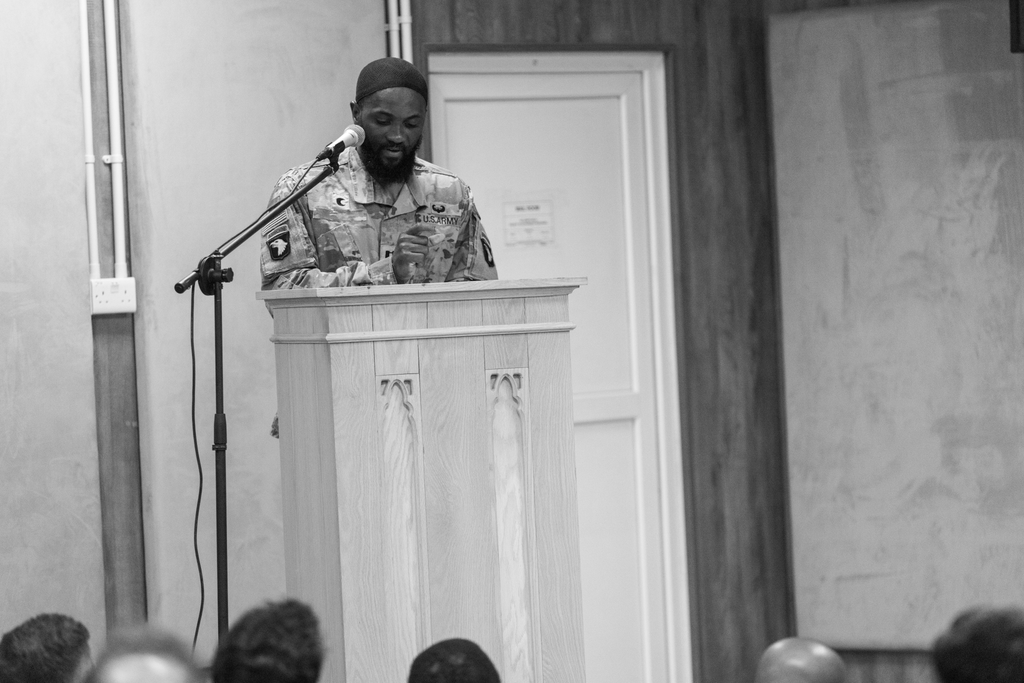
None of this means religion should receive immunity from criticism or scrutiny. If someone advocates replacing the Constitution with an Islamic government, we should be able to say exactly what he is advocating. If an imam teaches that apostates deserve death, we should be able to identify that teaching and condemn it. And if someone threatens another person because he insulted Muhammad, we shouldn’t sanitize the motive by pretending his religious ideology had nothing to do with it.
Religious freedom protects a person’s right to believe something. It doesn’t require everyone else to pretend that belief doesn’t exist, and it certainly doesn’t protect violence, threats, intimidation or coercion.
At the same time, the Muslim who rejects those ideas isn’t responsible for the Muslim who embraces them. We ought to be able to hold both thoughts at once without treating either one as controversial, although increasingly that seems difficult to do.
What If They Eventually Become the Majority?

The question that bothers me most is what happens decades from now if a community elects a Muslim mayor, Muslim city council, Muslim prosecutor and other officials who sincerely believe Sharia should take precedence over the Constitution. The legal answer is reassuring: The Constitution still applies. Federal law still applies. State law still applies. A local majority cannot legally abolish constitutional rights.
But constitutions don’t enforce themselves. People enforce them, and history contains plenty of examples of institutions that looked permanent until suddenly they weren’t. That doesn’t justify depriving Muslims of constitutional rights today because of what their descendants might conceivably do tomorrow. Still, simply telling me that constitutional protections exist doesn’t completely eliminate my concern.
There is an unavoidable amount of trust involved in maintaining a free society, and trust is precisely what I find increasingly difficult to place in institutions.
The Rule Has to Work Both Ways
Eventually I come back to one question: What rule would I want my children, grandchildren and their descendants to live under if someday they were the religious minority?
I would want them free to worship, build churches, evangelize and criticize the majority religion. I would want police to protect them if someone threatened them for their beliefs. Most of all, I would want the Constitution standing between them and a majority that considered their religion offensive, backward or dangerous.
If I want those protections for them, I have a difficult time denying the same protections to Muslims today. At the same time, I want my descendants to inherit a country where nobody, Muslim, Christian or otherwise, can acquire political power and then use it to take those protections away. Those two concerns don’t fit together comfortably, but pretending one of them doesn’t exist doesn’t resolve anything.
I Don’t Have the Answer

Maybe admitting that is the most truthful conclusion I can offer. Islamist movements worry me, and so does denying Muslims equal religious liberty. I worry about government failing to confront genuine threats, but I also worry about giving government the power to suppress people because it believes they might someday become threats.
I don’t think the answer is pretending Islamism doesn’t exist, and I don’t think it’s treating Muslims collectively as though they are responsible for its most extreme manifestations. The best principle I can manage is to protect religious liberty fiercely while protecting constitutional government just as fiercely. Judge individuals and organizations by what they actually advocate and do, and never allow the label “religion” to excuse coercion or violence.
That isn’t a perfect solution. It doesn’t guarantee that a free society will recognize every threat in time, that government will always exercise its powers wisely or that future generations will preserve the freedoms handed to them. But I know what the alternatives can become.
I don’t want my descendants living under Sharia law. I also don’t want them living under a government that gets to decide which religions are safe enough to be free. Maybe preserving America requires being concerned about both.
_____________________________
As the Voice of the Veteran Community, The Havok Journal seeks to publish a variety of perspectives on a number of sensitive subjects. Unless specifically noted otherwise, nothing we publish is an official point of view of The Havok Journal or any part of the U.S. government.
Buy Me A Coffee
The Havok Journal seeks to serve as a voice of the Veteran and First Responder communities through a focus on current affairs and articles of interest to the public in general, and the veteran community in particular. We strive to offer timely, current, and informative content, with the occasional piece focused on entertainment. We are continually expanding and striving to improve the readers’ experience.
© 2026 The Havok Journal
The Havok Journal welcomes re-posting of our original content as long as it is done in compliance with our Terms of Use.


