According to the American Veterinary Medical Association’s 2024 Practice Survey, nearly 78% of pet health issues could be prevented or caught earlier through routine preventive care — yet only 43% of pet owners maintain consistent wellness schedules for their animals. As veterinary medicine shifts toward prevention-first approaches and Reno’s pet population continues to grow, the gap between proactive and reactive care has real consequences for both pet health and owner finances.
For pet owners navigating Reno’s unique climate challenges — from high desert conditions to seasonal temperature swings — understanding what comprehensive preventive care actually involves can mean the difference between catching problems early and facing emergency interventions later. The preventive services offered by Reno pet hospitals have evolved far beyond basic vaccinations to include sophisticated diagnostic protocols, lifestyle-specific care plans, and evidence-based interventions that extend both lifespan and quality of life.
How Does Preventive Pet Care Work in Reno Pet Hospitals?
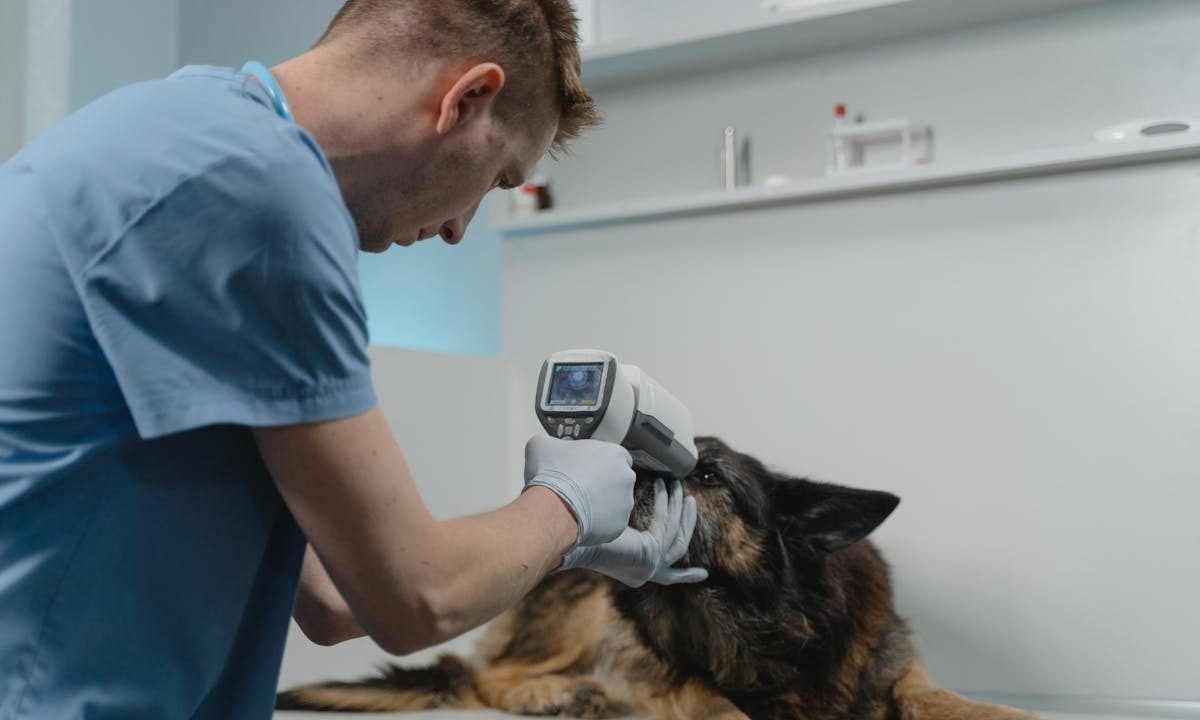
Preventive pet care operates on a foundation of routine wellness examinations combined with targeted diagnostic testing designed to detect problems before they become symptomatic. During a typical wellness visit at Reno veterinary facilities, veterinarians conduct comprehensive physical assessments that include checking heart rate, examining teeth and gums, palpating for abnormal masses, and evaluating joint mobility — each component serving as an early warning system for potential health issues.
The diagnostic component sets modern preventive care apart from simple check-ups. Blood chemistry panels reveal kidney function, liver health, and metabolic markers that can shift months before a pet shows visible symptoms. Complete blood counts detect anemia, infection, or blood disorders in their earliest stages. Urinalysis identifies kidney disease, diabetes, or urinary tract infections that might otherwise go unnoticed until they become serious.
Consider a seemingly healthy eight-year-old Golden Retriever brought in for routine care in Reno’s dry climate. The physical exam might appear normal, but blood work could reveal early kidney changes related to chronic dehydration — a common issue in Nevada’s low-humidity environment. Catching this early allows for dietary adjustments and increased water intake protocols that can preserve kidney function for years.
Dental examinations form another crucial component, as periodontal disease affects over 80% of dogs by age three. Reno veterinarians often find that pets exposed to dusty outdoor conditions develop accelerated dental issues, making annual dental assessments particularly valuable for active outdoor animals.
The frequency and scope of these preventive visits adapt to individual risk factors, but the underlying principle remains consistent: systematic early detection combined with immediate intervention prevents minor issues from becoming major health crises.
What Customized Vaccination and Testing Plans Are Available for Reno Pets?
How Vaccination Plans Are Tailored for Local Risks
Reno’s geographic location and climate create specific disease risks that influence vaccination protocols beyond standard core vaccines. Local veterinarians typically recommend enhanced protection against rattlesnake envenomation for dogs frequently hiking in the surrounding desert and mountain areas, using specialized rattlesnake vaccines that can reduce venom effects if exposure occurs.
Bordetella vaccination receives particular emphasis due to Reno’s active dog park culture and boarding facility usage. The dry air and dust common to the region can irritate respiratory systems, making dogs more susceptible to kennel cough and related respiratory infections. Valley fever, though more common in Arizona, occasionally appears in pets traveling between Reno and southwestern regions, influencing vaccination discussions for frequently traveling animals.
Feline vaccination plans account for Reno’s significant outdoor cat population and wildlife interactions. Enhanced rabies protocols and feline leukemia protection become especially important given the presence of bats, skunks, and other potential disease vectors in the high desert environment.
Why Heartworm Testing and Blood Work Matter in Prevention
Heartworm testing in Reno requires adaptation to seasonal mosquito patterns and pet travel history. While Nevada’s dry climate reduces year-round mosquito activity compared to humid regions, summer irrigation and water features create localized breeding grounds that put pets at risk. Annual heartworm testing allows veterinarians to detect infections before they cause irreversible heart and lung damage.
The timing of blood work aligns with seasonal considerations unique to Reno’s climate. Spring testing often reveals dehydration-related kidney stress accumulated over winter months when pets may drink less water. Summer blood panels check for heat-related stress markers, while fall testing establishes baseline values before seasonal activity changes. These seasonal patterns help veterinary services for pets create more precise intervention timelines and catch developing problems at optimal treatment windows.
How Is Preventive Care Adapted for Different Pet Ages and Lifestyles?
Preventive Care for Puppies, Seniors, and Various Breeds
Puppy preventive protocols in Reno address the unique challenges of socializing young animals in a high desert environment. Early vaccination series must account for increased exposure to wild animal droppings and parasites common in hiking areas that many Reno families frequent. Puppies also require enhanced hydration monitoring due to their increased susceptibility to dehydration in dry climates.
Senior pet care shifts focus toward managing age-related changes accelerated by environmental factors. Older dogs in Reno often develop arthritis symptoms earlier due to increased activity levels on rocky terrain and temperature fluctuations that affect joint comfort. Blood work frequencies increase to every six months after age seven, with particular attention to kidney function in the low-humidity environment.
Breed-specific considerations become crucial given Reno’s outdoor lifestyle appeal. Flat-faced breeds like bulldogs require modified exercise recommendations and enhanced respiratory monitoring due to altitude and air quality factors. Double-coated breeds need seasonal grooming adjustments to prevent overheating during Reno’s intense summer months while maintaining protection during cold winters.
Tailoring Care for Indoor and Outdoor Pets in Reno’s Climate
Outdoor pets in the Reno area face distinct preventive care requirements shaped by exposure to wildlife, extreme temperature variations, and terrain challenges. Parasite prevention protocols intensify due to contact with coyotes, bobcats, and various rodent populations carrying fleas, ticks, and intestinal parasites. Paw pad care becomes essential given the abrasive nature of volcanic soil and sharp rock surfaces common in regional hiking areas.
Indoor pets require different preventive focuses, often dealing with air quality issues from wood-burning stoves and fireplaces common in Reno homes, as well as reduced activity levels during extreme weather periods. Weight management becomes particularly important for indoor cats and dogs who may gain weight during winter months when outdoor activity decreases significantly.
Seasonal transitions demand specific preventive adjustments. Spring protocols include enhanced allergy management as trees and grasses emerge, while summer care emphasizes heat stroke prevention and increased parasite vigilance. Fall preparations focus on joint support before winter activity changes, and winter care addresses dry skin, reduced water intake, and potential vitamin D deficiency from decreased sun exposure.
What Are the Proven Benefits of Preventive Pet Care?
Research consistently demonstrates that preventive veterinary care extends average pet lifespan by 2-3 years while significantly reducing lifetime healthcare costs. A longitudinal study published in the Journal of the American Veterinary Medical Association found that pets receiving annual preventive care had 40% fewer emergency interventions and 60% lower total medical expenses over their lifetime compared to pets receiving only reactive care.
Early disease detection through routine blood work identifies conditions like diabetes, kidney disease, and thyroid disorders at stages when they remain highly manageable through diet and medication adjustments. Once these conditions progress to symptomatic stages, treatment becomes more complex, expensive, and less effective. For example, kidney disease caught at 25% function loss can often be managed for years with dietary changes, while kidney disease discovered at 75% function loss typically requires intensive medical intervention with limited long-term success.
The quality of life improvements extend beyond medical metrics. Pets maintaining preventive care schedules show better behavioral stability, reduced anxiety during veterinary visits, and stronger human-animal bonds according to veterinary behaviorist research. Regular dental care prevents the chronic pain that affects eating, playing, and social interaction in pets with advanced periodontal disease.
Cost analysis reveals that preventive care pays for itself through avoided emergency procedures. A single emergency surgery for intestinal obstruction can cost $3,000-$8,000, while annual preventive visits totaling $400-$600 often catch dietary indiscretions or foreign object ingestion before they require surgical intervention. Dental cleanings costing $500-$800 prevent tooth extractions and oral surgeries that can exceed $1,500 per procedure.
The compound effect becomes most apparent in senior pets, where consistent preventive care maintains mobility, cognitive function, and overall vitality well into advanced age, allowing families to enjoy additional high-quality years with their companions.
What Practical Tips and Misconceptions Should Reno Pet Owners Know?
Scheduling optimization makes preventive care more manageable for Reno families with active lifestyles. Booking wellness visits during slower seasonal periods — typically late fall or early spring — ensures better appointment availability and allows time for any follow-up care before peak hiking and outdoor activity seasons. Many pet owners find success combining pet preventive visits with their own annual physicals, creating household health reminders that prevent missed appointments.
Home monitoring between veterinary visits enhances preventive care effectiveness. Weekly weight checks catch gradual changes that signal developing health issues, while monthly dental inspections help owners identify tartar buildup or gum changes early. Reno’s dry climate makes skin and coat monitoring particularly important, as changes in skin condition often indicate underlying health problems or environmental sensitivities.
A persistent misconception holds that indoor pets need less preventive care than outdoor animals. Indoor pets actually require the same comprehensive preventive protocols, as they face different but equally significant health risks including obesity, dental disease from reduced chewing activity, and stress-related behavioral issues. Another common misunderstanding suggests that mixed-breed pets are automatically healthier and need less preventive care, when in fact their health depends entirely on consistent preventive maintenance regardless of genetic background.
Many pet owners also mistakenly believe that expensive pet foods eliminate the need for regular blood work monitoring. While nutrition plays a crucial role in health, underlying genetic predispositions, environmental factors, and age-related changes require ongoing medical surveillance that no diet can replace.
The most valuable insight for Reno pet owners involves recognizing that preventive care adapts continuously throughout a pet’s life — what works for a young, healthy animal in mild weather will need modification as age, season, and activity levels change. Building relationships with veterinary teams who understand both your pet’s individual needs and Reno’s specific environmental challenges creates the foundation for truly effective preventive care that evolves appropriately over time.
Buy Me A Coffee
The Havok Journal seeks to serve as a voice of the Veteran and First Responder communities through a focus on current affairs and articles of interest to the public in general, and the veteran community in particular. We strive to offer timely, current, and informative content, with the occasional piece focused on entertainment. We are continually expanding and striving to improve the readers’ experience.
© 2026 The Havok Journal
The Havok Journal welcomes re-posting of our original content as long as it is done in compliance with our Terms of Use.