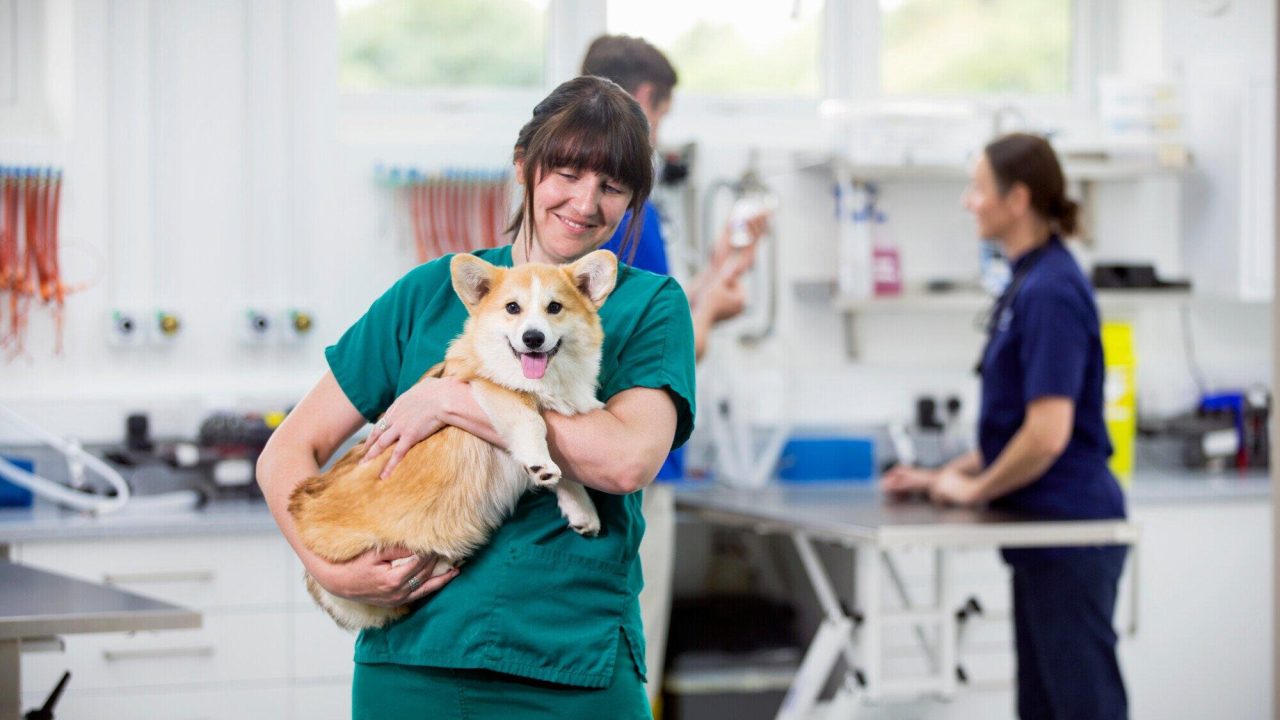
When emergencies strike, every second counts-not just for humans but for our pets as well. Tactical readiness for pet emergencies means being prepared, knowledgeable, and equipped to respond quickly when your dog or other pet faces an unexpected injury or medical crisis.
Whether you are a pet owner, dog handler, or someone who spends a lot of time outdoors with animals, having a basic understanding of K9 and pet first aid can make the difference between life and death. Read on.
Why Tactical Preparedness Matters
Pets are naturally curious and active, which makes them vulnerable to accidents. They can suffer from cuts, heat exhaustion, choking, poisoning, or trauma from falls and vehicle accidents. In remote areas or during disasters, veterinary care may not be immediately available.
Tactical preparedness allows pet owners to stabilize their animals until professional help is reached. Being prepared also reduces panic during emergencies. When owners know what steps to take, they can act quickly and confidently, minimizing further harm to their pets.
Building a Pet Emergency First Aid Kit
One of the most important steps in tactical readiness is preparing a pet-specific first aid kit. This kit should be accessible at home, in your car, or when traveling with your pet.
A basic K9 and pet first aid kit should include:
- Gauze pads and rolls for wound care
- Adhesive tape or vet wrap
- Antiseptic wipes or solution
- Tweezers for splinters or debris
- Scissors for cutting bandages or fur
- A digital thermometer
- Disposable gloves
- Saline solution for flushing wounds
- Hydrogen peroxide
- Emergency contact numbers for local veterinarians
Additionally, include a leash or muzzle. Even the most gentle pet may bite when injured or scared.
Recognizing Common Pet Emergencies
Early recognition is key to responding effectively. Some common pet emergencies include:
- choking
- severe bleeding
- poisoning
- heatstroke
- fractures
For choking, check your pet’s mouth for visible obstructions and attempt gentle removal if safe. For bleeding wounds, apply steady pressure with clean gauze to control blood flow. In cases of heatstroke-common in warm climates-move the pet to a cooler environment, offer small amounts of water, and gradually cool the body using damp towels.
Signs of poisoning may include vomiting, seizures, excessive drooling, or sudden lethargy. If poisoning is suspected, contact a veterinarian immediately and avoid giving medications unless directed.
Basic K9 First Aid Techniques
Learning basic pet first aid techniques can greatly improve outcomes in emergencies. For example, knowing how to restrain an injured dog safely prevents further injury to both the pet and the handler. Properly bandaging wounds can reduce bleeding and protect injuries during transport.
Pet CPR is another critical skill. If a dog stops breathing or has no detectable pulse, chest compressions combined with rescue breaths may help sustain life until veterinary care is available. Check out https://cprcertificationnow.com/products/pet-cpr-first-aid-certification to learn more.
Training and Preparation
The best way to improve emergency response is through training. Pet owners should consider enrolling in pet first aid courses offered by animal welfare organizations or veterinary clinics. These programs teach practical skills such as CPR, wound care, and emergency assessment.
Regularly reviewing emergency plans, updating first aid supplies, and keeping veterinary contacts readily available will ensure you remain prepared.
Your Commitment to Preparedness
Tactical readiness for pet emergencies is an essential responsibility for every pet owner. By equipping yourself with knowledge, maintaining a proper first aid kit, and practicing emergency response skills, you can protect your pet during unexpected crises.
Buy Me A Coffee
The Havok Journal seeks to serve as a voice of the Veteran and First Responder communities through a focus on current affairs and articles of interest to the public in general, and the veteran community in particular. We strive to offer timely, current, and informative content, with the occasional piece focused on entertainment. We are continually expanding and striving to improve the readers’ experience.
© 2026 The Havok Journal
The Havok Journal welcomes re-posting of our original content as long as it is done in compliance with our Terms of Use.


