The age-old adage “You can’t teach an old dog new tricks” couldn’t be further from the truth. While puppies are often considered blank slates, senior dogs possess a wealth of life experience and, surprisingly, a strong capacity for learning. However, you can curb bad habits, teach new commands, and enrich your senior dog’s life by fostering positive behavioral changes with patience.
In this article, we’ll explore effective strategies to teach older dogs new tricks, fostering good behavior and a fulfilling bond with patience.
Understanding the Unique Challenges of Training an Adult Dog
Training an adult dog differs significantly from puppy training. Long-standing patterns, whether helpful or harmful, complicate the process of acquiring new skills. Older dogs may exhibit stubbornness rooted in established routines or anxieties stemming from past experiences.
Bay Woof reported that researchers found 10-year-old dogs needed twice as many repetitions to learn new tasks as 6-month-old puppies. However, older dogs outperformed younger ones in logic and reasoning tasks. Researchers also found no age difference in a dog’s ability to retain training.
Patience becomes paramount, as unlearning old behaviors often requires more time and consistency. Physical limitations, like arthritis, can also hinder training, necessitating shorter, less strenuous sessions. Furthermore, their attention spans might be shorter than a puppy’s, demanding engaging and rewarding methods.
What behavioral problems frequently arise in adult dogs?
The most common behavioral issues in adult dogs include excessive barking, separation anxiety, aggression, resource guarding, leash pulling, and house soiling. Other challenges include fearfulness, jumping on people, and destructive chewing. Many of these behaviors stem from past experiences, lack of training, or underlying medical conditions and require patient correction.
Using Positive Reinforcement to Encourage Learning
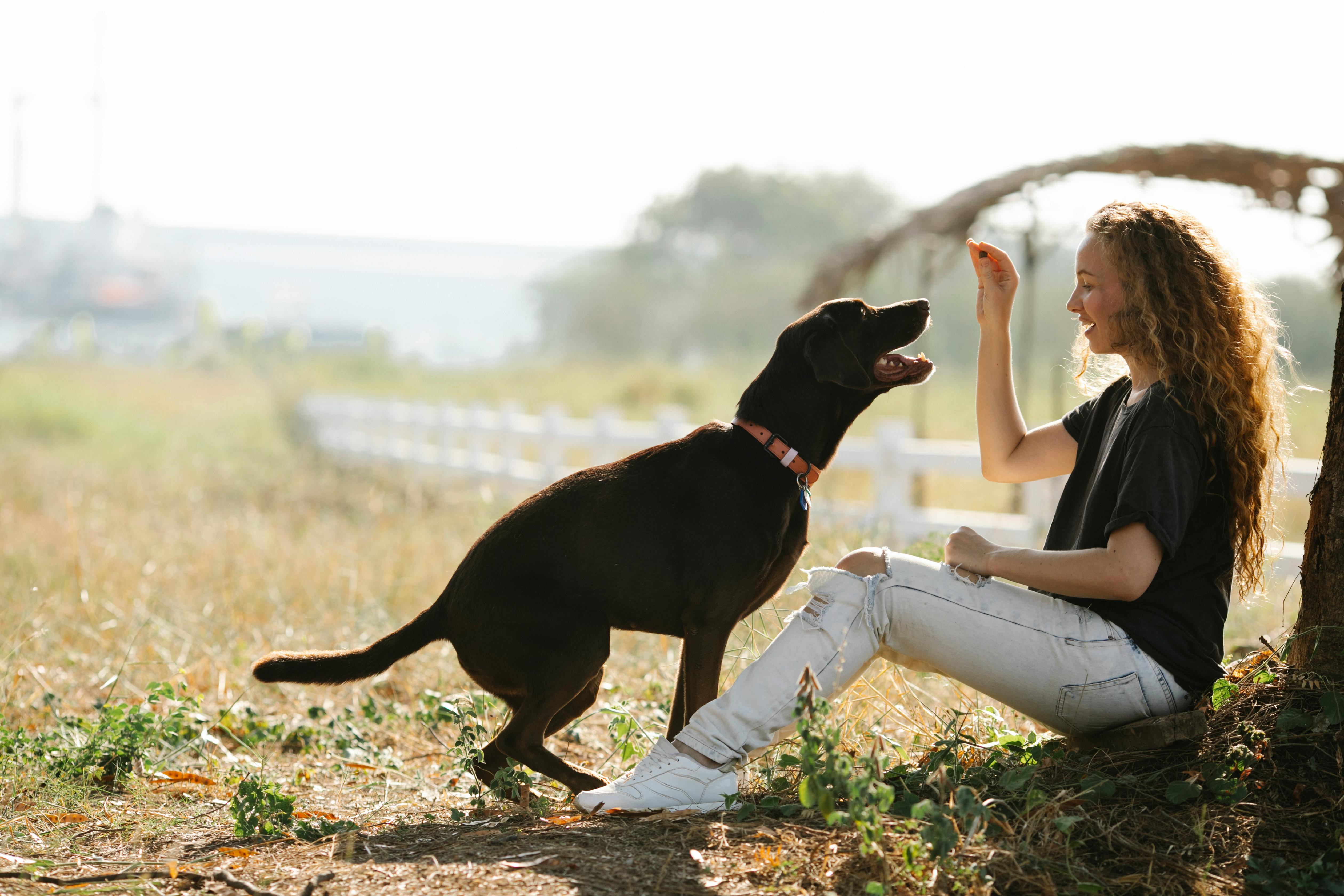
Positive reinforcement is one of the most effective methods for training an older dog. By offering rewards like treats, verbal encouragement, or play when a dog does something right, you can encourage them to perform that action again. Unlike punishment-based training, which can create fear or confusion, positive reinforcement builds trust and strengthens the human-canine bond.
Phys.org reported that dogs learn better when rewarded with both food and praise. A study by researchers from ELTE Eötvös Loránd University’s Department of Ethology found that petting and verbal encouragement boost learning success. Using a mix of rewards strengthens positive behavior and improves performance.
For successful adult dog training, unwavering consistency is essential. Reinforce good behavior immediately so they associate it with the reward. To maintain their interest, offer irresistible treats like tiny bits of cheese or chicken. Gradually reduce the use of treats, and instead, reward them with enthusiastic praise and affection.
Establishing a Routine
A structured routine is essential when training an older dog, as it provides stability and reinforces learning. Predictability is key to a dog’s well-being; regular timing for training, walks, meals, and rest helps them feel safe. When introducing new behaviors, consistency in timing and environment makes it easier for your dog to adapt.
The American Kennel Club states that routines reinforce learned skills in adult dogs and aid in teaching new behaviors. Life changes like moving, travel, or new family members can disrupt their stability. However, consistent exercise, enrichment, training, and grooming help dogs feel more confident and comfortable.
Short, frequent training sessions work best for adult dogs, as they may have shorter attention spans. Aim for 10-15 minutes per session, two to three times a day. Also, keeping commands and rewards consistent ensures your dog understands expectations. Over time, a structured routine helps reinforce positive behaviors and minimizes confusion.
What key errors do owners make when developing consistent training programs?
Common training mistakes include inconsistency, punishment instead of positive reinforcement, and expecting quick results. Training for too long can lead to fatigue and frustration. Owners also struggle by not adapting routines to their dog’s age, using unclear commands, or neglecting socialization, making learning more challenging.
Building Good Habits at Home
Creating a well-structured home environment plays a crucial role in reinforcing good behavior in older dogs. One important aspect is designating a specific area for bathroom needs. Designate a defined area in your yard or close to your house for your dog to use as their bathroom. Using consistent words like ‘potty time’ will help them connect the phrase with the act, simplifying housebreaking.
Keeping this designated area clean is equally important. Regular maintenance prevents odors, discourages accidents in unwanted places, and promotes better hygiene for your dog and your household.
Scoop Soldiers warn that pet waste isn’t a natural fertilizer and can be harmful. Dog waste contains parasites, bacteria, and germs that pose health risks if not removed. Left unchecked, it can create foul odors and negatively impact both your yard and the surrounding environment.
Fort Worth Animal Care & Control (FWACC) recently reported progress in animal welfare to the City Council. The shelter achieved an 89.42% Live Release Rate (LRR) in January 2025, up from 80.73% in late 2023. This improvement highlights the city’s commitment to responsible pet care and simultaneously highlights the need for clean and safe environments.
Professional cleaning services can be a convenient solution for managing waste. With more pet owners in the area, a reliable dog poop service in Ft Worth can help maintain cleaner yards and a healthier environment. Regular waste removal supports a dog’s well-being and hygiene. When the backyard is clean, dogs develop better habits, and home training becomes easier and more pleasant for everyone involved.
Can a consistent cleanup routine help improve my dog’s potty training?
Yes, a consistent cleanup routine reinforces proper potty training by keeping designated areas clean and odor-free. Dogs rely on scent cues, so a well-maintained spot encourages them to use the same location. Regular cleaning also prevents accidents in unwanted areas and promotes better hygiene for pets and owners.
Introducing Basic Commands and Fun Tricks
Teaching an older dog basic commands and fun tricks strengthens their cognitive abilities and enhances obedience. Focus on the core commands such as come, stay, sit, and leave it, to begin with. These not only improve behavior but also enhance safety. Employ positive reinforcement by giving them treats or praise right away to solidify their learning.
Once they grasp the basics, introduce fun tricks such as shaking hands, rolling over, or spinning. Keep training sessions short, around 10-15 minutes, to maintain engagement without overwhelming your dog.
Addressing Behavioral Issues and Breaking Bad Habits
As dogs age, they can develop challenging behaviors like barking, pulling on the leash, or jumping. To address these, use patience and positive reinforcement. Rather than punishment, guide them towards better actions. For instance, teach them to sit when greeting people, instead of jumping.
Identify triggers that cause unwanted behaviors and work on gradual desensitization. If your dog barks excessively, reward them for quiet moments and use commands like quiet to reinforce control.
Embracing the Golden Years: A Rewarding Journey
Training an older dog takes patience, but the right approach makes it possible. A positive learning environment with consistency and rewards helps reinforce progress in commands, tricks, and breaking bad habits. With dedication, you can enhance their behavior, mental stimulation, and happiness, proving old dogs can indeed learn new tricks.
Buy Me A Coffee
The Havok Journal seeks to serve as a voice of the Veteran and First Responder communities through a focus on current affairs and articles of interest to the public in general, and the veteran community in particular. We strive to offer timely, current, and informative content, with the occasional piece focused on entertainment. We are continually expanding and striving to improve the readers’ experience.
© 2026 The Havok Journal
The Havok Journal welcomes re-posting of our original content as long as it is done in compliance with our Terms of Use.