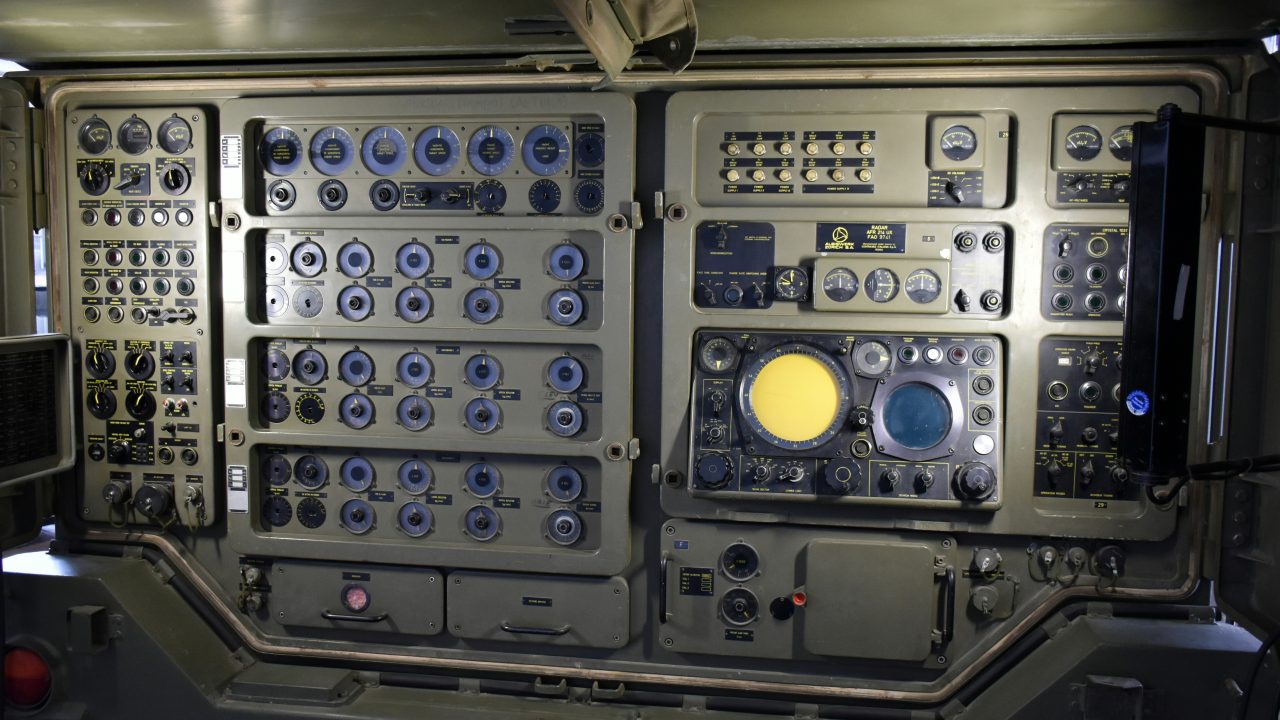
Photo by Ries Bosch on Unsplash
Modern defense operations run on military electronics long before a single shot is ever fired. Sensors, processors, radios, and power systems decide what gets detected and what gets acted on.
The advantage here is all about how fast a force can sense and coordinate across air, land, sea, space, and cyber. Hardware sets the ceiling, but software determines how close you get to it. The same airframe can behave like two different systems depending on how its mission computer prioritizes targets and how it shares tracks with nearby units.
Defense operations are becoming software-defined
When interfaces are standardized, a new electronic warfare pod or a new electro-optical sensor becomes a controlled swap. The national security payoff is obvious, with faster upgrades and fewer dead ends at the fleet level.
Modularity is not a magic wand, though. A modular design still needs discipline around requirements and cybersecurity, or it becomes a pile of parts that do not behave well under stress.
Turning the physical world into decisions
If electronics are the nervous system, sensors are the nerve endings. Radar, infrared, electronic support measures, navigation data, and even acoustic inputs can be combined into one coherent picture if the timing is tight and the compute is close enough to the edge.
In a contested environment, you cannot assume you’ll always have clean satellite links or safe backhaul to a cloud. So, a lot of the intelligence work moves forward, onto platforms and vehicles that have to filter and prioritize in real time. A degraded sensor feed at the wrong moment can change decisions and outcomes.
Communications in a contested spectrum
Defense communications must connect the force and survive an active attempt to break that connection.
Graceful degradation is actually one of the most practical requirements in modern operations. If a unit loses bandwidth, it still needs to pass critical messages, and if GPS is jammed, it still needs a safe navigation fallback.
In that sense, modern communications engineering has started to look like operational planning. You design for what happens when the plan fails.
The money trend behind the tech shift
The strategic bet on electronics-heavy modernization is happening alongside a clear rise in global defense spending. SIPRI reports that world military expenditure rose 9.4% in real terms to $2,718 billion in 2024, and that total spending equaled 2.5% of global GDP.

Those figures do not automatically translate into better capability, but they help explain why so many programs emphasize networking and resilience. When budgets rise and threats evolve quickly, the pressure increases to invest in systems that can be updated and sustained rather than replaced wholesale.
Cyber resilience is now part of platform performance
It used to be tempting to treat cybersecurity as an IT problem, something handled by a separate team on a separate network. However, that mental model does not hold for platforms that rely on software-defined radios and embedded networking.
DOD plans to spend about $1.66 trillion to develop its current portfolio of major weapon systems, and adversary cyber capabilities are a direct risk to those systems.
This pushes defense electronics toward concepts that used to be mainly confined to enterprise security, like secure boot, strong identity for devices, patchability, and logging that is actually usable in the field. It also means that a fast-but-fragile system is no longer truly high-performing in modern operations.
Supply chain trust is becoming operational
Electronics come from long supply chains with real points of failure: component availability, counterfeit risk, firmware provenance, and even subtle quality drift over time.
This is why trusted sourcing and traceability have moved from procurement checklists into operational risk discussions. If a component can’t be replaced quickly, readiness suffers, so when the mission relies on data integrity, even small supply chain doubts become big problems.
Sometimes the best option is the one that can be supported for a decade with clear documentation and predictable quality.
Defense hardware has always needed to survive heat, vibration, shock, and time. What is different now is how much mission value sits on electronics that must keep working through those stresses.
Reliability is built through design margins, screening, testing, and disciplined configuration control. It also depends on a procurement ecosystem that can support the lifecycle. Program teams often need a reliable device supplier that can deliver consistent components and long-term support.
Interoperability is the new force multiplier
Defense operations increasingly depend on coalitions and joint task forces, which puts interoperability pressure on electronics in a very direct way. Different systems must share data with minimal translation and minimal delay.
NATO’s own reporting highlights the scale of investment inside that alliance context, estimating U.S. defense expenditure at $845,280 million in 2025.

The operational implication is that the largest spenders often fund new capabilities, and then they have to make those capabilities work with partners who run different fleets and different procurement timelines. Electronics that follow shared standards reduce that friction.
The near-term winners will not just be the programs with the most advanced sensors or the most compute. They will be the programs that can update safely and sustain reliably. In other words, the future of defense operations will be shaped by engineering discipline as much as by breakthrough technology.
Buy Me A Coffee
The Havok Journal seeks to serve as a voice of the Veteran and First Responder communities through a focus on current affairs and articles of interest to the public in general, and the veteran community in particular. We strive to offer timely, current, and informative content, with the occasional piece focused on entertainment. We are continually expanding and striving to improve the readers’ experience.
© 2026 The Havok Journal
The Havok Journal welcomes re-posting of our original content as long as it is done in compliance with our Terms of Use.


