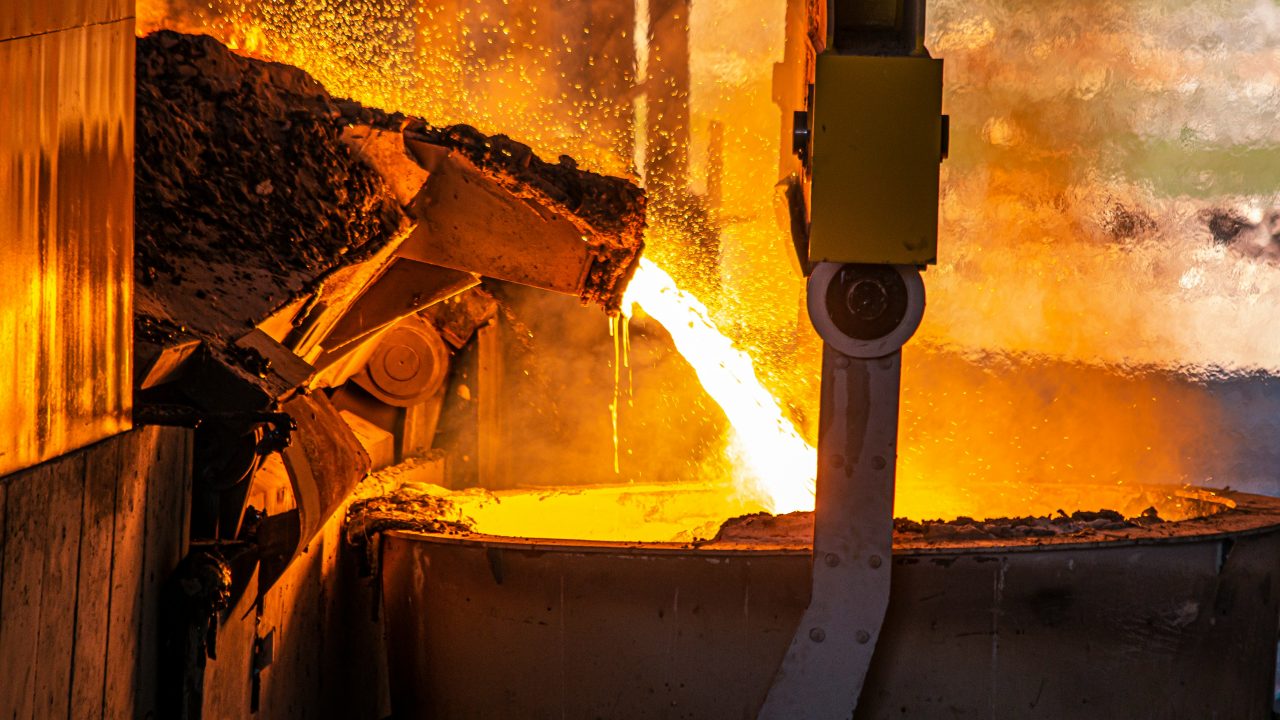
Photo by yasin hemmati on Unsplash
For commercial General Contractors (GCs) and design-build firms, the last few years have been a masterclass in risk management. Bidding on a large-scale commercial project requires a delicate balancing act: bid too high to cover potential material cost spikes, and you lose the job; bid too low, and you risk eating your profit margin if commodities surge before you break ground.
However, as we navigate through 2026, estimators and project managers are finding a welcome anchor in an otherwise unpredictable market. While traditional commercial building materials continue to experience erratic pricing, structural steel has remained remarkably stable.
For contractors looking to secure favorable bids, protect their profit margins, and deliver reliable timelines to their clients, understanding the current steel market is a massive competitive advantage. Here is a look at why steel pricing has leveled out this year and how commercial contractors are leveraging this stability to win more jobs.
The 2026 Bidding Challenge: The Unpredictability of Concrete and Timber
To appreciate the strategic value of steel right now, we have to look at the volatility plaguing alternative commercial materials. So far in 2026, estimators are pulling their hair out over the erratic costs of commercial lumber, copper, and ready-mix concrete.
While mass timber has become trendy in some commercial sectors, lumber pricing remains notoriously sensitive to macroeconomic shifts. Trade policies, sawmill output adjustments, and transportation costs mean prices can swing dramatically between the day you submit a bid and the day you issue a purchase order.
Similarly, contractors relying heavily on tilt-wall or cast-in-place concrete are facing severe headwinds. High global energy costs have kept cement production expensive, while localized aggregate shortages and driver deficits make ready-mix delivery both pricey and prone to scheduling delays. When your critical path relies on materials that require double-digit contingency padding, your bids become less competitive, and your margins are constantly at risk.
Why Steel Prices Have Reached Equilibrium
In stark contrast, the steel market in 2026 has found a comfortable and reliable equilibrium. After the supply chain shocks of the early 2020s, the industry has settled into a period of predictability that commercial contractors can actually bank on.
- Disciplined Capacity Management: Domestic mills have learned hard lessons from past boom-and-bust cycles. Today, U.S. steel producers are highly disciplined, operating at consistent utilization rates (typically in the mid-70% range). This steady output prevents market flooding while ensuring GCs have reliable access to the materials they need without artificial scarcity.
- Anchored Institutional Demand: The baseline demand for steel in 2026 is incredibly stable. It is supported by massive, long-term commercial trends—namely the explosive growth of data centers, federal infrastructure spending, and the ongoing reshoring of heavy manufacturing facilities. This predictable institutional demand gives mills the confidence to stabilize their pricing structures.
- Efficient Manufacturing: The modern steel industry’s transition toward Electric Arc Furnaces (EAFs) has largely insulated producers from the extreme raw energy shocks that disproportionately affect cement and traditional manufacturing, keeping overhead costs—and therefore wholesale prices—in check.
The Strategic Advantage for General Contractors
For a commercial contractor, material price stability translates directly to the bottom line. When you know your primary structural costs are locked in, you can negotiate fixed-price contracts with confidence. You no longer have to burden your clients with aggressive escalation clauses that can sour a relationship before the first shovel hits the dirt.
Furthermore, predictable material costs mean less time wasted on late-stage value engineering. Instead of frantically redesigning a structure because framing costs blew past the budget, your team can focus on execution, site safety, and accelerating the project schedule.
Scaling Your Commercial Operations with Buck Steel
Knowing that steel is the smartest financial play in 2026 is only the first step; maximizing that advantage requires partnering with the right supplier. For commercial contractors looking to streamline their builds and boost profitability, pre-engineered metal buildings (PEMBs) have become the industry standard.
If you want to capitalize on the current market, Buck Steel buildings offers an unparalleled B2B solution for contractors. With two decades of experience supplying commercial-grade steel buildings across the nation, Buck Steel understands the rigorous demands of commercial GCs. Whether you are bidding on a massive warehousing and logistics center, an aviation hangar, a retail strip, or an industrial manufacturing plant, they provide value-engineered packages that keep you competitive.
Buck Steel specifically caters to commercial demands by supplying 100% all-steel, I-beam (red-iron) structures. Their clear-span capabilities allow contractors to offer clients massive, column-free floor plans—a massive selling point for modern logistics and retail clients.
Most importantly for your labor budget, Buck Steel packages are engineered as complete bolt-up kits. In a 2026 labor market where certified field welders are both scarce and incredibly expensive, a bolt-up system allows your erection crews to get the shell up safely and in a fraction of the time required by traditional construction. Faster erection times mean lower labor overhead, quicker progress billing, and the ability to move your crews to the next job sooner.
The commercial construction landscape in 2026 will always carry inherent risks, but your primary structural material shouldn’t be one of them. The price stability of steel offers GCs a rare opportunity to bid aggressively, build efficiently, and protect their profit margins. By utilizing a commercial-grade pre-engineered metal building from a trusted supplier, you are equipping your firm to navigate today’s market with absolute confidence.
Buy Me A Coffee
The Havok Journal seeks to serve as a voice of the Veteran and First Responder communities through a focus on current affairs and articles of interest to the public in general, and the veteran community in particular. We strive to offer timely, current, and informative content, with the occasional piece focused on entertainment. We are continually expanding and striving to improve the readers’ experience.
© 2026 The Havok Journal
The Havok Journal welcomes re-posting of our original content as long as it is done in compliance with our Terms of Use.


