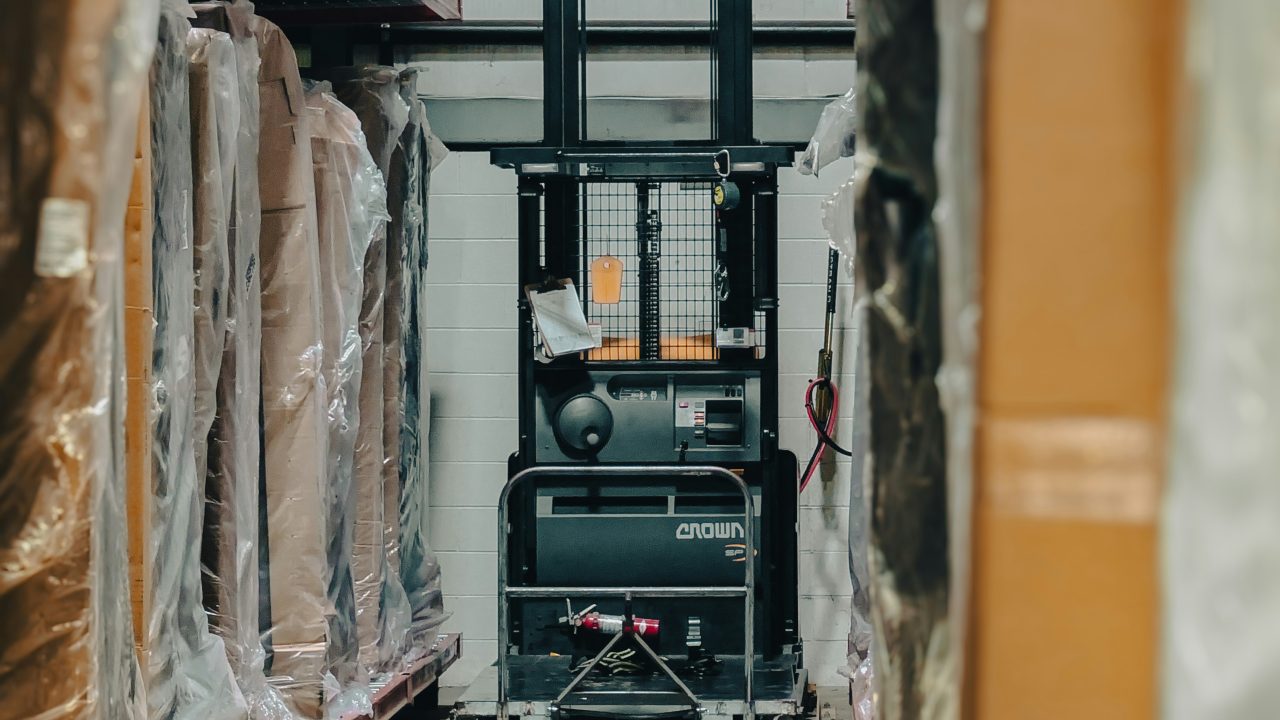
Forklifts are indispensable in many industries, from warehousing and logistics to construction and manufacturing. They help move heavy materials efficiently, making them essential for maintaining smooth operations.
However, purchasing forklifts can be a significant investment, and not every business needs to own them outright. Forklift rentals offer a flexible, cost-effective alternative for many companies. This guide will walk you through the key considerations and benefits of forklift rentals, helping you make an informed decision for your business.
1. Understanding Forklift Rentals
Why Rent a Forklift?
Renting a forklift can be a smart choice for businesses that need the equipment temporarily or infrequently. Renting helps you avoid the substantial upfront costs of purchasing, as well as ongoing expenses such as maintenance, insurance, and storage. It also provides flexibility to adapt to changing needs, whether it’s seasonal demand, special projects, or unexpected equipment breakdowns.
Types of Forklifts Available for Rent
Forklift rentals come in various types, each designed for specific tasks and environments. The most common types include:
- Counterbalance Forklifts: Ideal for general use in warehouses and manufacturing facilities.
- Reach Trucks: Intended for high stacking and small aisles.
- Pallet Jacks: Suitable for moving pallets in smaller spaces.
- Rough Terrain Forklifts: Frequently utilized in construction, designed for outdoor use on rough terrain.
- Order Pickers: Used for retrieving items from high shelves in warehouses.
2. Key Considerations for Forklift Rentals
Assess Your Needs
Before renting a forklift, evaluate your specific requirements. Consider factors such as:
- Load Capacity: Determine the maximum weight you need to lift and ensure the forklift can handle it.
- Lift Height: Assess the height requirements for your operations, including the maximum lift height needed.
- Operational Environment: Consider whether the forklift will be used indoors, outdoors, or in challenging conditions.
- Duration of Rental: Decide whether you need the forklift for a short-term project, seasonal use, or long-term rental.
Choose the Right Rental Company
Selecting a reliable forklift rental company is crucial for a smooth experience. Look for the following qualities:
- Reputation: Research customer reviews and ask for recommendations to find a reputable company with a history of reliable service.
- Fleet Variety: Ensure the rental company offers a range of forklift types and models to meet your needs.
- Maintenance and Support: Choose a company that provides regular maintenance and prompt support in case of equipment issues.
- Insurance and Safety: Verify that the rental company provides adequate insurance coverage and adheres to safety standards.
Understand Rental Costs
Forklift rental costs can vary based on several factors, including:
- Type and Model: Different forklifts come with varying price tags based on their capabilities and features.
- Rental Duration: Costs are typically calculated on a daily, weekly, or monthly basis. Longer rentals may offer better rates.
- Additional Fees: Be aware of potential extra charges, such as delivery and pick-up fees, maintenance costs, or damage fees.
3. Benefits of Renting Forklifts
Cost-Effectiveness
Renting forklifts eliminates the need for a significant initial investment. This cost-saving can be particularly beneficial for small businesses or those with limited capital. Additionally, rental agreements often include maintenance and repairs, reducing unexpected costs.
Flexibility
Forklift rentals offer flexibility to adapt to changing business needs. You can easily upgrade or change equipment as your requirements evolve, whether due to changes in workload, facility layout, or seasonal demands.
Access to Latest Technology
Renting allows you to access the latest forklift models with advanced features and technology. This can improve productivity, safety, and efficiency compared to older, outdated models.
Reduced Maintenance Burden
Rental companies typically handle the maintenance and servicing of their equipment. This reduces the burden on your business to manage upkeep, repairs, and downtime.
4. How to Rent a Forklift: Step-by-Step
Step 1: Identify Your Requirements
Start by identifying your specific needs, including load capacity, lift height, and operational environment. This will help you choose the right forklift and rental plan.
Step 2: Research Rental Companies
Look for reputable forklift rental companies that offer a range of equipment and services. Compare prices, read customer reviews, and check their maintenance and support offerings.
Step 3: Get Quotes
Contact multiple rental companies to get quotes based on your requirements. Ask about rental rates, additional fees, and the terms of the rental agreement.
Step 4: Inspect the Equipment
Before finalizing the rental, inspect the forklift to ensure it’s in good working condition. Check for any signs of wear or damage and confirm that it meets your needs.
Step 5: Review the Rental Agreement
Carefully review the rental agreement, including terms, conditions, and insurance coverage. Ensure you understand your responsibilities and any potential additional costs.
Step 6: Arrange Delivery and Training
Coordinate with the rental company for equipment delivery and, if necessary, arrange for operator training to ensure safe and efficient use of the forklift.
Rent Forklift
Forklift rentals offer a cost-effective and flexible solution for businesses needing material handling equipment. By understanding your needs, choosing a reputable rental company, and evaluating costs and benefits, you can make an informed decision that enhances your operational efficiency.
Renting forklifts not only reduces upfront costs but also provides access to the latest technology and reduces maintenance burdens. With careful planning and consideration, forklift rentals can be a valuable asset to your business’s success.
Buy Me A Coffee
The Havok Journal seeks to serve as a voice of the Veteran and First Responder communities through a focus on current affairs and articles of interest to the public in general, and the veteran community in particular. We strive to offer timely, current, and informative content, with the occasional piece focused on entertainment. We are continually expanding and striving to improve the readers’ experience.
© 2026 The Havok Journal
The Havok Journal welcomes re-posting of our original content as long as it is done in compliance with our Terms of Use.


