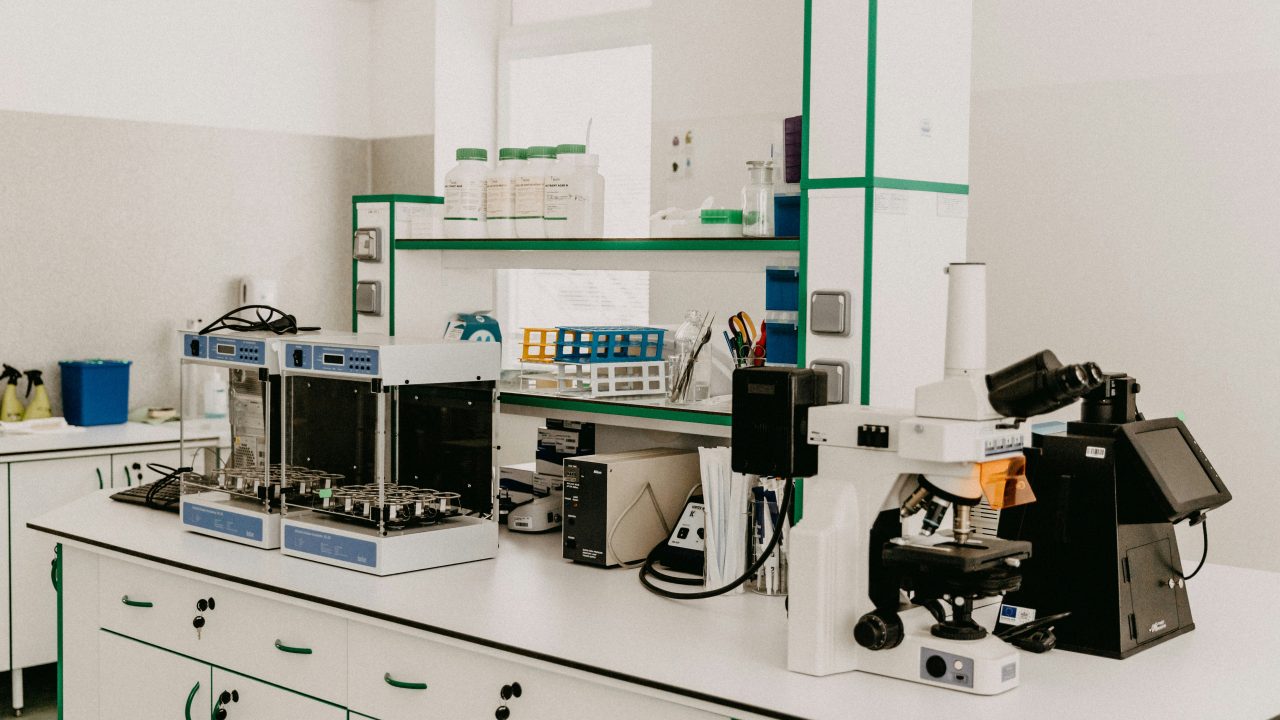
Photo by Trnava University on Unsplash
Relocating a laboratory is one of the most complex and expensive moves an organization can undertake. Unlike a standard office move, a lab relocation involves sensitive instruments, hazardous materials, strict regulatory requirements, and the very real risk of costly downtime. Understanding the key lab relocation costs before you begin is the best way to avoid budget surprises and protect your research operations.
Why Lab Moves Cost More Than You Expect
Most organizations underestimate the cost to move a laboratory because they compare it to a typical office relocation. The reality is that laboratories contain equipment that requires specialized packing, climate control, calibration after transport, and, in some cases, complete decontamination before it can be handled. Add in regulatory compliance, IT infrastructure, and utility hookups at the new facility, and you are looking at a project that demands both financial and logistical precision.
Major Categories of Laboratory Relocation Expenses
When building a laboratory move budget, it helps to break costs into clear categories. Here are the primary areas where spending occurs:
- Specialized transportation: Scientific instruments such as electron microscopes, centrifuges, mass spectrometers, and biosafety cabinets require custom crating, vibration dampening, and climate-controlled vehicles. This alone can account for a significant portion of your total spend.
- Professional packing and handling: Standard movers are not equipped to handle laboratory equipment. You will need crews trained in scientific instrument handling, which comes at a premium over general labor rates.
- Equipment decommissioning and recommissioning: Many instruments must be formally shut down, drained, purged, and later reinstalled and recalibrated by certified technicians. These fees are often charged separately by the equipment manufacturer or a third-party service provider.
- Hazardous materials management: Moving chemicals, biological samples, or radioactive materials requires licensed waste handlers, proper documentation, and, in some cases, disposal of materials that cannot legally be transported. This is a cost that many organizations fail to budget for adequately.
- Downtime and productivity loss: One of the less visible but very real laboratory relocation expenses is the loss of productive research or testing time. Depending on your timeline, this could translate to missed deadlines, delayed projects, or revenue loss.
- IT and data infrastructure: Laboratory information management systems, networked instruments, and server hardware all need to be carefully disconnected, moved, and reconnected. Data integrity and cybersecurity during the transition must also be considered.
- Facility preparation at the new site: Bench work, gas lines, fume hood installation, electrical upgrades, and HVAC modifications at the destination can add tens of thousands of dollars to the overall project cost.
How to Build a Realistic Lab Relocation Budget
When planning a lab relocation, start the budgeting process as early as possible, ideally six to twelve months before the move date. Begin with a full inventory of all equipment, chemicals, and samples. Identify what will be moved, what will be disposed of, and what may need replacement at the new location.
Get itemized quotes from at least three vendors who specialize in laboratory moves. General moving companies often underquote because they do not fully understand the scope of scientific relocations. Working with specialists from the start will give you more accurate numbers and reduce the risk of unexpected charges later.
It is also worth consulting with peer organizations that have recently completed similar moves. For example, organizations moving a lab in Boston can benefit from connecting with local research institutions or biotech companies that have navigated the same permitting and logistics challenges in that region.
Set aside a contingency buffer of at least 15 to 20 percent of your total projected budget. Lab moves routinely encounter delays and unforeseen complications, and having a financial cushion prevents those issues from derailing the entire project.
Tips to Reduce Costs Without Cutting Corners
- Plan the move during a natural break in the research calendar to minimize productivity loss.
- Consolidate and dispose of expired or unnecessary chemicals and samples before the move to reduce hazardous materials handling fees.
- Coordinate closely with facilities, IT, and vendors so that utilities and infrastructure are ready on day one, shortening downtime.
- Whenever possible, bundle equipment service visits so that decommissioning and recommissioning can be handled in a single trip.
- Train internal staff on packing non-sensitive, non-hazardous materials to limit the amount of work performed by higher-cost specialists.
Bringing It All Together
Moving a laboratory is a major undertaking that touches every part of your organization, from research and operations to finance and compliance. By understanding the true scope of lab relocation costs, breaking expenses into clear categories, and building a realistic budget with appropriate contingencies, you can manage the process with far greater confidence. Careful planning, the right specialized partners, and proactive communication will help ensure that your lab move is completed safely, on schedule, and within budget, allowing your team to return to full productivity as quickly as possible.
Buy Me A Coffee
The Havok Journal seeks to serve as a voice of the Veteran and First Responder communities through a focus on current affairs and articles of interest to the public in general, and the veteran community in particular. We strive to offer timely, current, and informative content, with the occasional piece focused on entertainment. We are continually expanding and striving to improve the readers’ experience.
© 2026 The Havok Journal
The Havok Journal welcomes re-posting of our original content as long as it is done in compliance with our Terms of Use.


