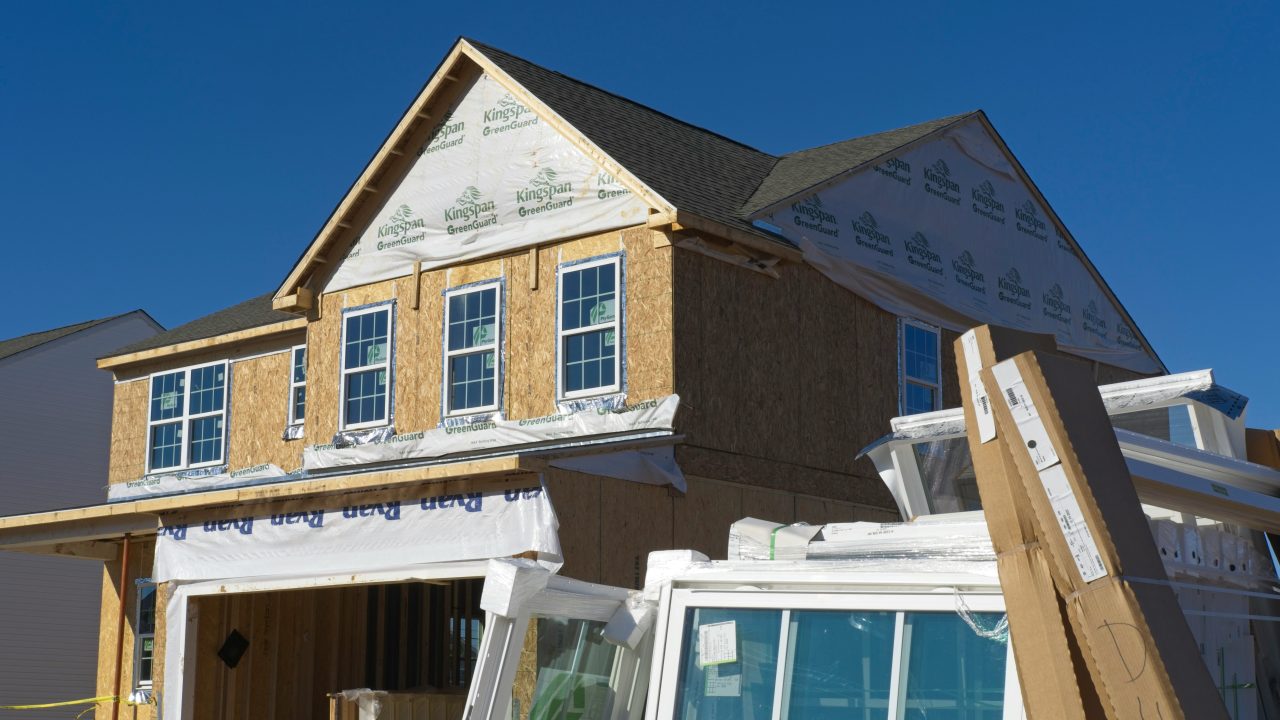
Photo by Ernie Journeys on Unsplash
Material mistakes are expensive and quietly painful. Wrong coating, and wrong grade of wood can mess up the entire project before construction even begins. Builders learn early that the ordering phase decides whether a project runs smoothly or turns into weeks of adjustments.
Experienced crews do not rush this part. They slow down before the first invoice goes out.
#1 – Ground Conditions Come First
Soil dictates everything. Different types, including rocky layers, all behave differently once posts go in. Ignoring that reality leads to leaning lines and callbacks.
Builders check compaction, drainage, and how deep stable soil actually starts. That determines a lot of things. It will give you the answer to the riddle of post length and whether gravel or concrete makes sense.
No amount of premium material fixes a bad foundation choice.
#2 – Climate Shapes Material Choice
Weather matters more than aesthetics, though a lot of builders attempt to hit both in one go. Heat, humidity, rain cycles, and sun exposure all stress fencing in different ways.
In the South, moisture and expansion are constant threats. Builders look at how materials react over the years. Treated wood, powder-coated metal, and composites each age differently depending on exposure.
Ordering based on appearance alone is how fences fail early.
#3 – Purpose Decides the Build
A fence built for privacy needs different materials than one built for security or pool safety. Builders clarify the purpose before touching a catalog.
Height requirements, visibility needs, and load resistance affect rail spacing, panel type, and fastener strength.
One fence cannot do everything well. Good builders accept that one true fact and design accordingly.
#4 – Local Codes Are Not Optional
Before materials get priced, builders check local requirements. They don’t forget about height limits and setbacks. They also greatly consider approved materials and gate rules.
Ignoring codes wastes money. Materials that cannot be installed legally end up sitting unused or returned with restocking fees.
Crews familiar with Kennesaw fencing services know which specs pass inspection the first time. That knowledge saves more than time.
#5 – Measurements Get Double-Checked
Rough estimates are fine early. Final orders require precision.
Builders measure corners, slopes, and transitions. They account for grade changes and gate placement. Sloped yards require extra panels or stepped designs that affect counts.
Accuracy matters because ordering short causes delays and shipping costs. Ordering too much is also bad for the budget.
#6 – Post Hardware Is Not an Afterthought
Posts fail before panels. Thus, builders focus heavily on post quality.
They double-check the wall thickness and treatment rating. They also look into the coating type and fastener compatibility. These details determine longevity.
Cheap posts paired with premium panels create uneven wear. Builders aim for balance across components.
#7 – Fasteners Matter More Than People Think
Nails and screws are not interchangeable. Galvanized or coated fasteners behave differently in outdoor conditions.
Wrong fasteners lead to rust streaks, loose boards, and structural weakness. Builders match fasteners to material and environment deliberately. This is a small line item with big consequences.
#8 – Lead Times Affect Scheduling
Some materials look perfect on paper, but they take weeks to arrive. Builders check their availability before committing to a client about the design proposal.
Delays disrupt crews and budgets. Reliable supply matters as much as quality. Experienced builders prefer materials they know they can get on time. It’s actually a combination of many good things, and lead times are sometimes overlooked as developers became over ambitious.
Here are the checks builders make before finalizing orders:
- Soil type and drainage
- Climate exposure
- Fence purpose
- Local code requirements
- Accurate measurements
- Post and fastener compatibility
#9 – Waste Planning Saves Money
Cuts happen. Errors happen. Builders account for that upfront.
They order small buffers instead of emergency reorders. This keeps crews moving and avoids mismatched batches later.
Planning waste is cheaper than reacting to it.
#10 – Manufacturer Reputation Counts
Not all suppliers stand behind their products. Builders track which brands deliver consistent quality and which ones cut corners. When searching for a supplier, don’t forget to ask about their warranty terms and replacement policies. The market will also tell you about their past performance, and this should help you in your buying decisions.
Trust is earned through repetition.
#11 – Transport and Storage Get Considered
Materials arrive before installation. Builders plan where and how they will be stored.
Moisture exposure before installation can warp wood or compromise coatings. Proper staging protects materials before they ever touch the ground.
Logistics are part of quality control.
#12 – Custom Elements Change Everything
Gates, corners, and transitions require special hardware and reinforcement. Builders identify these early.
Forgetting custom needs leads to last-minute scrambles and improvised solutions. Neither age well. Good planning saves you from the need to improvise, which usually ends up being of low quality.
#13 – Ordering Is a Design Decision
Material selection is not clerical work. It is design work.
Every choice affects durability, maintenance, and appearance years later. Builders who treat ordering casually pay for it later.
Those who take the time up front build fences that stay straight, secure, and functional long after installation.
That discipline separates rushed projects from professional results.
Buy Me A Coffee
The Havok Journal seeks to serve as a voice of the Veteran and First Responder communities through a focus on current affairs and articles of interest to the public in general, and the veteran community in particular. We strive to offer timely, current, and informative content, with the occasional piece focused on entertainment. We are continually expanding and striving to improve the readers’ experience.
© 2026 The Havok Journal
The Havok Journal welcomes re-posting of our original content as long as it is done in compliance with our Terms of Use.


