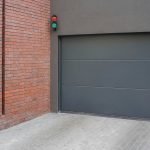
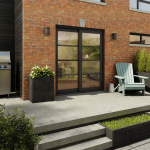
Photo by benjamin lehman on Unsplash
Exterior doors do more than provide a way in and out of the house. They affect security, energy efficiency, curb appeal, natural light, and even how easily a room connects to the outdoors. Homeowners comparing entry or patio doors in Fort Myers should look beyond appearance and consider how each door will perform in everyday use. The best choice is usually one that suits the home’s architecture while also standing up to weather, frequent opening and closing, and changing indoor comfort needs.
With so many materials, styles, glass options, and hardware choices available, narrowing down the possibilities can feel complicated. Breaking the decision into a few practical considerations makes the process much easier.
Start With How the Door Will Actually Be Used
A front entry door and a backyard patio door may both be exterior doors, but they often have very different jobs.
The main entrance may need to provide privacy, security, and a strong visual focal point. It is often opened many times each day and may also be exposed to direct sun, rain, or wind depending on the home’s design.
A patio door usually serves a different purpose. Homeowners may want more glass, a wider view, easy access to outdoor living areas, and enough daylight to brighten the adjoining room.
Before focusing on style, think about traffic patterns. A door used constantly should be comfortable to operate and easy to maintain. A secondary entrance that is rarely opened may allow more flexibility in design.
Choosing around real habits is often more useful than selecting a door simply because it looks appealing in a catalog.
Let the Architecture Guide the Style
Exterior doors can either complement the house or look strangely disconnected from it.
Traditional homes often work well with paneled doors, decorative glass, or more detailed trim. Contemporary properties may benefit from cleaner lines, larger glass panels, or simpler hardware.
That does not mean everything has to match perfectly. Contrast can add character, especially at the main entrance. A bold color or modern door can create a strong focal point without changing the entire exterior.
Proportion matters as well. A narrow door can seem undersized on a large facade, while an oversized design may overwhelm a smaller entrance.
The goal is balance. A door should feel like a deliberate part of the architecture rather than an accessory added later.
Compare Materials With More Than Appearance in Mind
Door material affects maintenance, durability, weight, insulation, and long-term appearance.
Wood remains popular because of its natural texture and ability to create a warm, traditional look. It can also be refinished when tastes change. However, wood generally requires more maintenance, especially when exposed to moisture and direct sunlight.
Fiberglass doors can imitate the appearance of wood while requiring less routine upkeep. They also tend to resist dents, moisture, and temperature changes well, making them a practical choice for many homes.
Steel doors are often chosen for strength and security. They can offer good value, although surface damage should be addressed before exposed metal has an opportunity to corrode.
Aluminum is frequently used in patio door systems because it can support large areas of glass with relatively narrow frames.
No material is automatically best. The right one depends on exposure, budget, appearance, and how much maintenance the homeowner is willing to handle.
Think About Sun, Rain, and Everyday Weather
Exterior doors live in a much harsher environment than interior ones.
A door facing strong afternoon sun may experience greater heat buildup and fading. One located beneath a deep porch may remain relatively protected, while another without an overhang could be regularly exposed to rain.
These differences should influence material, finish, glass, and hardware choices.
Weatherstripping also deserves attention. A well-sealed door can help reduce drafts and unwanted air movement around the frame. Threshold design matters too, particularly where heavy rain may reach the entrance.
For patio doors, proper drainage and water management around tracks and frames are especially important.
A beautiful door that struggles with the local environment can quickly become frustrating, so weather exposure should be part of the decision from the start.
Decide How Much Glass Makes Sense
Glass can completely change the character of an exterior door.
A solid entry door offers privacy and may suit homeowners who prefer a more enclosed entrance. Adding a small glass insert can bring daylight into a hallway without making the interior feel exposed.
Larger glass panels create a brighter, more open feeling but require greater consideration of privacy, glare, and heat.
Patio doors often use expansive glass because the view is part of their purpose. Sliding, French, and multi-panel systems can all create stronger visual connections between indoor and outdoor areas.
Homeowners should think about what happens throughout the day. A glass-heavy door that looks beautiful in soft morning light may produce uncomfortable glare later in the afternoon.
Privacy glass, internal blinds, coatings, and other glazing options can help balance light with comfort.
Pay Attention to Energy Performance
Doors are part of the home’s exterior envelope, so their construction can influence indoor comfort.
Heat can transfer through the door itself, through glass panels, and around poorly sealed edges. Insulated cores, energy-efficient glazing, quality weatherstripping, and proper installation all help reduce unnecessary air and heat transfer.
Large patio doors deserve particular attention because they contain significantly more glass than a traditional entry door.
It can be tempting to assume that thicker or heavier automatically means more efficient, but overall construction matters more than one feature.
Comparing performance information for the complete door assembly gives a more useful picture than judging the panel alone.
Security Is More Than the Lock
A strong lock is important, but door security depends on several parts working together.
The slab, frame, hinges, strike plate, locking system, and installation all contribute to how secure an entry is. A sturdy door installed in a weak or damaged frame will not perform as well as intended.
Patio doors present different challenges. Sliding doors should have reliable locking mechanisms and tracks that keep the panels properly aligned. Hinged patio doors should close firmly without excessive movement around the frame.
Hardware quality matters because these components are used repeatedly over many years.
Security features should also remain practical. A complicated locking system that is inconvenient to operate may become something people avoid using consistently.
Do Not Overlook the Hardware
Handles, hinges, locks, and other hardware may seem like finishing touches, but they play a large role in everyday satisfaction.
A handle should feel comfortable in the hand and be easy to operate. Hinges should support the weight of the door without sagging, while locks should engage smoothly without requiring excessive force.
Exterior finishes also need to tolerate repeated handling and exposure to moisture.
Hardware style can subtly change the overall look. Matte, polished, traditional, and contemporary finishes can make the same door appear very different.
Choosing hardware at the same time as the door usually creates a more cohesive result than treating it as an afterthought.
Installation Can Determine Long-Term Performance
Even a well-made door can become troublesome if it is installed incorrectly.
The frame needs to be square, level, and securely attached. Gaps around the opening must be properly sealed, and the threshold should sit correctly so the door closes without dragging or leaving spaces.
Small installation errors can lead to sticking, difficult locking, water intrusion, or drafts.
Patio systems require especially careful alignment because large sliding or hinged panels can become difficult to operate if the frame is slightly out of position.
Installation should therefore be considered part of the purchase rather than a separate detail.
Choose for the Next Several Years, Not Just Today
Exterior doors are not something most homeowners replace frequently.
That makes long-term usability worth considering. A style that feels trendy now should still make sense with the home’s architecture years from now. Hardware should be durable enough for repeated use, and maintenance requirements should fit realistically into the homeowner’s routine.
It is also worth thinking about changing needs. Wider openings, lower thresholds, easy-to-operate handles, and smooth patio door systems can make everyday access more comfortable for people of different ages and abilities.
The best exterior door is rarely the one with the longest list of features. It is the one that balances appearance, security, comfort, durability, and practical use in a way that fits the home.
A Good Door Should Feel Like It Belongs
A successful exterior door choice should work visually and functionally.
It should open and close smoothly, help keep weather outside, provide the right level of privacy, and complement the character of the property. Homeowners should not have to sacrifice everyday convenience simply to achieve a certain look.
By considering materials, glass, exposure, hardware, security, efficiency, and installation together, it becomes much easier to choose a door that will continue to feel like the right decision long after the project is finished.
Buy Me A Coffee
The Havok Journal seeks to serve as a voice of the Veteran and First Responder communities through a focus on current affairs and articles of interest to the public in general, and the veteran community in particular. We strive to offer timely, current, and informative content, with the occasional piece focused on entertainment. We are continually expanding and striving to improve the readers’ experience.
© 2026 The Havok Journal
The Havok Journal welcomes re-posting of our original content as long as it is done in compliance with our Terms of Use.