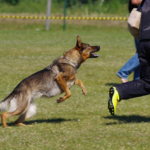
Photo by David Taffet on Unsplash
In Minnesota, dog owners may face different levels of liability depending on whether their dog has a known history of aggression. A Minneapolis dog bite lawyer can investigate past complaints, citations, or informal warnings that could elevate your claim. This article explores how prior behavior affects the outcome of legal cases.
Legal Implications of First-Time Offenses in Minnesota Dog Bite Cases
Understanding Minnesota’s Legal Framework
In Minnesota, the law takes dog bites seriously, even in cases of first-time offenses. The state’s “strict liability” rule means that a dog owner is liable for any injuries their dog causes, regardless of the dog’s past behavior or actions. This legal framework means that, as a dog owner, you are automatically responsible for the medical bills and other related damages of a bite victim, without the necessity of proving the dog’s previous aggression or the owner’s negligence.
Potential Penalties for First-Time Offenders
For first-time offenders, the immediate consequences can include civil liability, requiring the dog owner to compensate the victim financially. These compensations can cover medical costs, pain and suffering, and sometimes, lost wages if the victim requires time off work to recover. Unlike repeat offenders, first-time violators might not face criminal charges unless the incident is particularly severe or if negligence is apparent, such as a failure to restrain the dog despite warnings of its aggressive tendencies.
Understanding Repeat Offenses: When Past Behavior Matters
The Role of Prior Incidents
In the legal realm, a dog’s past behavior can significantly influence the consequences faced by its owner following a bite incident. If a dog has previously shown signs of aggression or has been involved in past incidents, these details are critical in the eyes of the law. Documented instances of biting, aggressive behavior, or any history of complaints can elevate the severity of the case against the owner. Each documented incident contributes to a mounting profile that can lead to harsher penalties. As such, it’s essential for dog owners to be aware of their pet’s history and to take preventative measures if any warnings have been issued in the past.
Proactive Measures and Prevention
Given the potential for serious repercussions, dog owners should engage in proactive measures to address their pet’s behavior. This includes enrolling the dog in obedience classes, providing regular exercise, and taking immediate action if signs of aggression appear. Responsible ownership involves recognizing potential risks and addressing them before they result in legal issues. By doing so, owners not only protect themselves from future liability but also contribute to the safety of their community and the well-being of their pets.
How Prior Aggression History Affects Dog Owner Liability
History of Prior Aggression
A dog’s history of aggression is a pivotal factor that can significantly influence the liability of a dog owner in the eyes of Minnesota law. When a dog has previously exhibited aggressive behavior, it sets a precedent that can increase the owner’s responsibility. Evidence of past incidents, such as documented complaints or citations, suggests that the owner was—or should have been—aware of the potential risk posed by the animal. This awareness imposes a duty on the owner to take reasonable precautions to protect others from harm.
Legal Implications
In cases involving repeat offenders, the legal implications are generally more severe. Courts may view a repeat offense as a sign of the owner’s disregard for the safety of others, which can result in increased fines, mandatory behavior modification training for the dog, or even euthanasia orders for the animal. Additionally, civil liabilities may also be amplified, potentially resulting in more substantial compensation for victims. The logic is straightforward: if an owner is aware of a dog’s previous aggression and fails to act, the level of culpability increases with each subsequent incident.
Proactive Measures and Prevention
Understanding the effects of prior aggression history is crucial for dog owners. Taking proactive measures can mitigate potential liabilities. This includes enrolling the dog in behavioral training, reinforcing secure enclosures, and ensuring the animal is always under control in public spaces. By demonstrating a commitment to preventing further incidents, owners can potentially minimize their legal exposure and contribute to a safer community. Being informed and proactive is the key to managing the risks associated with dog ownership, particularly for those with a history of aggression.
Final Thoughts
In navigating the complexities of Minnesota’s dog bite laws, understanding the distinctions between first-time and repeat offenses is crucial. As a responsible dog owner, you must be aware that a history of aggression can significantly influence legal outcomes, potentially leading to more severe penalties. By consulting with a knowledgeable Minneapolis dog bite lawyer, you can better assess the implications of past behavior on your case.
Buy Me A Coffee
The Havok Journal seeks to serve as a voice of the Veteran and First Responder communities through a focus on current affairs and articles of interest to the public in general, and the veteran community in particular. We strive to offer timely, current, and informative content, with the occasional piece focused on entertainment. We are continually expanding and striving to improve the readers’ experience.
© 2026 The Havok Journal
The Havok Journal welcomes re-posting of our original content as long as it is done in compliance with our Terms of Use.