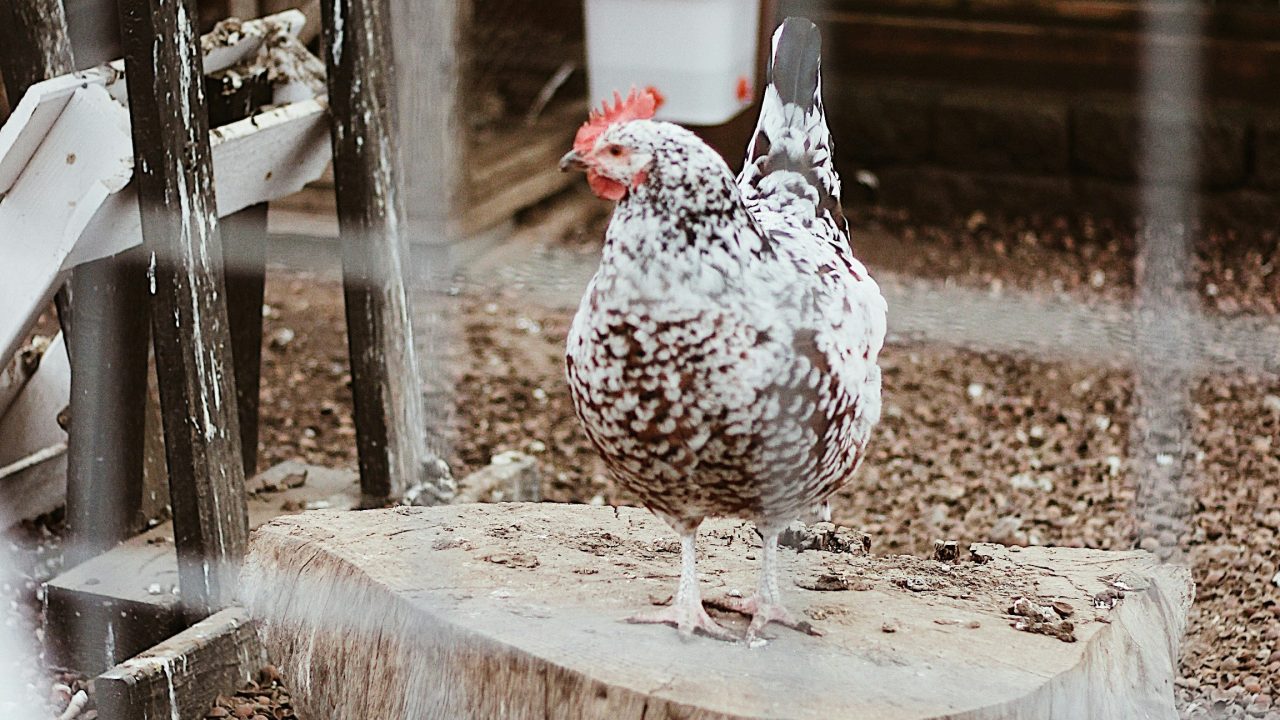
Photo by Karly Jones on Unsplash
Clean, accessible water is the single most important factor in keeping a healthy flock. Chickens can survive a shortage of feed much longer than they can survive a shortage of water — and when water quality or availability slips, egg production drops, health declines, and you’re dealing with problems that are completely avoidable with the right setup.
Choosing the right chicken waterer for your situation means thinking through flock size, climate, coop design, and how much daily maintenance you’re willing to commit to. This guide walks through the key decisions so you land on a system that actually works.
Why the Right Waterer Matters More Than You Think
Most new chicken keepers underestimate how quickly a bad watering system becomes a real problem. Traditional open containers get fouled with bedding, droppings, and dirt within hours. Waterers that freeze in winter leave your flock without water for hours before you notice. Waterers that are too small for your flock create competition that stresses birds and reduces water intake across the whole group.
The right waterer minimizes contamination, stays functional in your climate, matches your flock’s needs, and fits the way you actually manage your coop — not the way you imagine you’ll manage it.
Types of Chicken Waterers
Traditional Galvanized Gravity Waterers
The classic design: a cylindrical reservoir that screws onto a base with a trough. These are time-tested, durable, and widely available in sizes from 1 quart (for chicks) to several gallons for large flocks.
Galvanized waterers are inexpensive, easy to clean, and require no electricity or special installation. Their main drawback is that the open trough is susceptible to contamination — a chicken will stand in it, scratch bedding into it, and foul it within a day if it’s placed at ground level.
To reduce contamination, elevate your galvanized waterer to just below the birds’ back height. This makes it easier to drink from without being stepped in or scratched into. It won’t eliminate the maintenance, but it meaningfully reduces it.
Plastic Bell Waterers
Functionally similar to galvanized models but lighter and easier to clean. Plastic won’t rust, which is a meaningful advantage in wet climates or for anyone who cleans waterers frequently with water and vinegar. The trade-off is durability — good quality plastic waterers last years, but thin or cheap models crack.
If you’re choosing between galvanized and plastic, plastic often wins for ease of use. Just make sure you’re buying a food-grade, BPA-free product designed specifically for poultry.
Nipple Waterers
Horizontal or vertical nipple systems are increasingly popular for backyard flocks and commercial operations alike. Chickens peck at a small metal pin to release water, which means the water supply is never exposed to the coop environment. The result is dramatically cleaner water and far less daily maintenance.
Nipple systems can be retrofitted onto standard buckets, PVC pipe, or purchased as complete units. For flock sizes of 10 or more birds, nipple waterers are often the most efficient long-term solution. The upfront setup takes more effort, but daily management becomes nearly effortless.
The learning curve is minimal for chickens — most birds figure out nipple waterers within a day or two if you show them by tapping the nipple yourself.
Heated Waterers
If you live anywhere with regular winter freezes, a heated waterer isn’t optional — it’s essential. Going without water for even a few hours on a cold morning affects a laying hen’s egg production for days afterward, and severe cold can kill birds faster than most people expect.
Heated waterers use a built-in heating element to keep the water just above freezing. They require access to electricity in your coop, which is a setup investment, but one that pays for itself in bird health and reduced daily hassle over the course of a winter.
Look for heated models with thermostatic controls that only run the element when the temperature actually drops near freezing — this saves electricity and extends element life.
Automatic Cup Waterers
Cup systems use individual drinking cups connected to a water line. When a bird drinks from the cup, the float valve refills it automatically. These systems eliminate manual refilling entirely and provide fresh water on demand.
The trade-off is the plumbing setup: you need a water line running to the coop and a pressure regulator to keep flow rates chicken-appropriate. For larger operations or anyone who travels frequently, auto waterers pay back the setup investment quickly.
Sizing Your Waterer
A general rule: provide at least one gallon of water per day per 10 standard-sized chickens in mild weather. In summer heat, double that estimate. A flock of 25 birds in July might go through 5 gallons a day.
If you’re using a manual-fill system, choose a waterer with enough capacity that you won’t have to refill it more than once daily under normal conditions. Running low on water mid-day is stressful for your birds.
Winter Watering Strategies
Beyond heated waterers, a few practices help maintain water access in cold climates:
Check water early in the morning before birds have been without access for long. In extreme cold, even heated waterers can struggle — know your equipment’s temperature ratings and have a backup plan.
Some keepers use two waterers on rotation: one in the coop being used, one in the house thawing. It’s labor-intensive but effective in climates where electricity isn’t available in the coop.
Insulating the coop itself reduces how hard your heating equipment has to work and protects waterers near walls.
Keeping Your Waterer Clean
Regardless of type, clean and refill your waterer at least every two days, daily in summer. Use a diluted white vinegar solution (1 part vinegar to 9 parts water) for regular cleaning — it kills bacteria and algae without leaving residue harmful to birds.
Position your waterer away from roosting areas and out from under any surface where droppings can fall directly into the water supply. Elevation, as mentioned, makes a significant difference.
Finding the Right Waterer for Your Setup
The right waterer depends on your flock size, your climate, your coop setup, and your daily routine. A small backyard flock in a mild climate does fine with a quality gravity waterer. A large flock in the Upper Midwest needs a heated, high-capacity system. Most flocks fall somewhere in between, and a browse through quality poultry feeders and waterers will quickly show you the options available for your specific situation.
Whatever you choose, commit to keeping it clean and full. Your flock will thank you in health, temperament, and production.
Buy Me A Coffee
The Havok Journal seeks to serve as a voice of the Veteran and First Responder communities through a focus on current affairs and articles of interest to the public in general, and the veteran community in particular. We strive to offer timely, current, and informative content, with the occasional piece focused on entertainment. We are continually expanding and striving to improve the readers’ experience.
© 2026 The Havok Journal
The Havok Journal welcomes re-posting of our original content as long as it is done in compliance with our Terms of Use.


