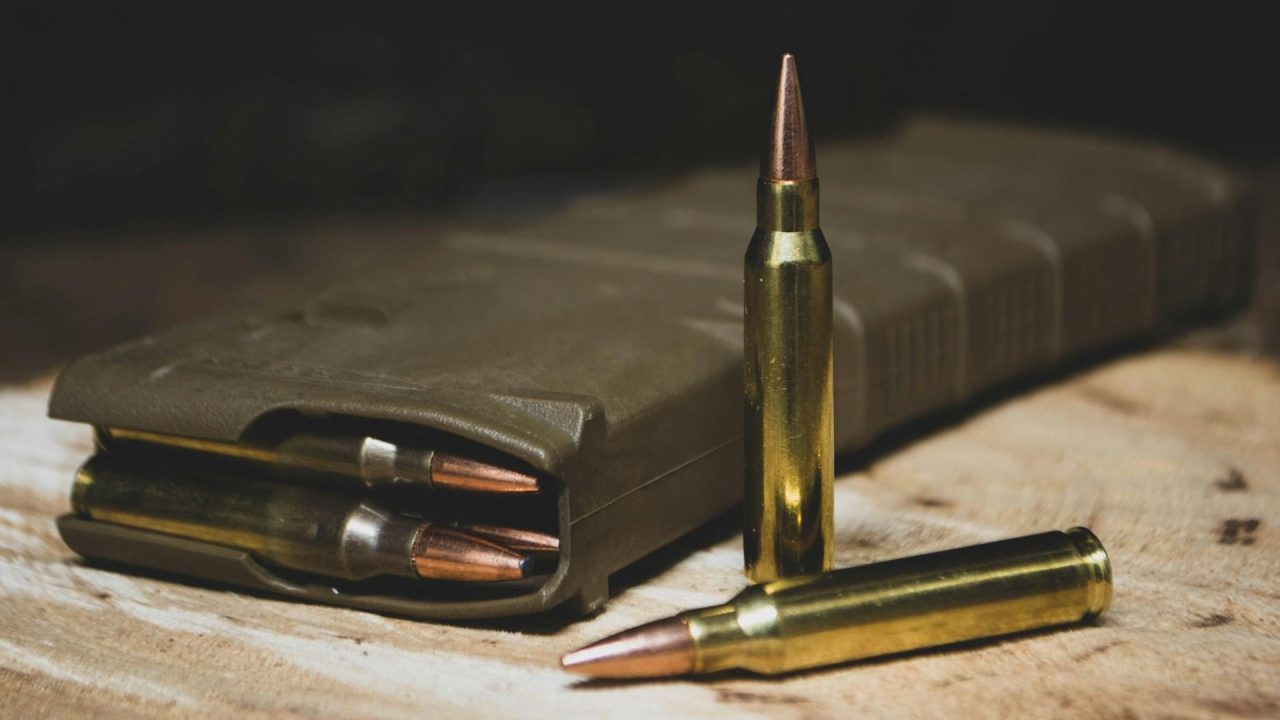
The AR-15 responds well to careful, practical upgrades. A few upgrades can improve reliability, accuracy, and control in a measurable way, while many others add cost without improving performance. This article focuses on upgrades that consistently deliver results in the range and in real use.
1. Trigger Upgrade: Clean Control at the Break
Factory triggers often hold the rifle back. Most mil-spec triggers have a heavy pull, a gritty feel, and an unpredictable break, so lining up a precise shot is trickier than it should be. Swap one out for a quality single-stage or two-stage trigger, and suddenly shot control snaps into place. That difference shows up on the range, especially when every shot counts.
The right trigger makes the gun feel different straight away. With a two-stage trigger, you get a clear first stage, then a crisp break – perfect for slow, careful shooting. A single-stage trigger is all about short, repeatable pulls – great for everyday use and those fast follow-ups. Whichever you pick, the upgrade is easy to spot on the target.
2. Bolt Carrier Group (BCG): The Core of Reliable Cycling
The BCG does all the heavy lifting in an AR-15. Get a well-made one – good machining, solid heat treatment, firmly staked gas key, tight tolerances – and you’ll see the rifle cycle smoothly, even after long sessions. If the BCG is sloppy, problems like short-stroking, gas leaks, or worn parts can crop up quickly.
A premium BCG also improves consistency in cycling. This matters when running different types of ammunition or when using various AR-15 magazine options with slightly different feed characteristics. The right BCG keeps everything timed and working together, so jams and weird malfunctions just don’t happen much. Things like a nitride or nickel-boron coating make cleaning easier, but what matters most is how well it’s built and inspected during manufacturing.
3. Optics and Sights: Clear Sight Picture, Faster Engagement
Modern optics change how quickly and easily you line up a shot. A solid red dot makes shooting with both eyes open easy and speeds up target acquisition at distances ranging from close to medium. If you go with a low-power variable optic, you gain some range while still maintaining speed at lower magnifications.
Mounting and clarity are what actually matter. A sturdy mount keeps your zero, and a simple reticle helps you line up shots without clutter. Backup irons are still handy, but most people stick with their main optic. Once you’ve got a good optic set up and zeroed, it pretty much becomes how you run the rifle from then on – and it’s usually one of the fastest ways to actually see a difference.
4. Free-Float Handguard: Consistent Barrel Performance
A free-float handguard takes the pressure off the barrel, letting it move the same way for every shot. That consistency pays off in accuracy, especially when you’re shooting off a rest or with a sling. Old-school handguards that touch the barrel can mess with your point of impact if you put different amounts of pressure on them – even tiny changes matter.
Today’s free-float models also feel better in your hands. The slimmer shapes, extra length, and modular rails make it easy to handle and simple to add lights, grips, or bipods anywhere you want – without messing with how the barrel acts. So you end up with a more streamlined rifle that stays accurate and easy to control while skipping the extra bulk.
5. Buffer System and Gas Tuning: Balanced Recoil and Function
Most stock rifles are tuned on the gassy side, just to make sure they’ll run with any ammo and in any weather. That keeps the gun working, but you feel the trade-off in sharper recoil and faster internal wear. Tweaking the buffer or changing the gas setup lets you fine-tune how the rifle shoots.
Running a heavier buffer slows things down and takes the edge off the recoil. If you use an adjustable gas block, you can really dial in the gas flow. Set it up right, and the rifle feels smoother, comes back on target faster, and stays flatter in rapid fire. Less stress on the rifle’s guts means it should last longer, too.
Choosing Upgrades That Actually Work for You
Every rifle is built with a purpose in mind, so any upgrades should fit what you actually do with it. If you’re setting up a defensive rifle, straightforward reliability matters most – no point in making things unnecessarily complicated. Building something for competition? Now it’s about shooting fast and keeping recoil in check. Figure out your main goals first, and it gets a lot easier to pick out parts that give you a real edge without turning the gun into a headache to use or fix.
It’s not just about buying the best-rated gear. The parts have to work together, especially when it comes to feeding and cycling. Take magazines for the AR-15: they need to feed rounds at the right angle for your bolt carrier group and gas system. Mix-and-match the wrong way, and you’ll chase one malfunction after another – undoing any gains you thought you’d get from that fancy new part.
What to Watch For When Installing and Maintaining Upgrades
If you’re upgrading, don’t rush it. Many parts, like a new trigger or handguard, just take the right tools and a steady hand. But if you’re adjusting the gas system or trying something more involved, that’s often best left to someone with experience – otherwise you’re asking for trouble, both for reliability and safety.
After swapping any parts, regular maintenance still matters. Even a high-end bolt carrier group still needs oil. A nice trigger? It still needs to be checked from time to time. Keep everything clean and dialed in, and you avoid minor problems spiraling into something that stops your rifle from running right.
Conclusion
The right upgrades make your AR-15 easier to shoot and more reliable, without turning it into a finicky mess. Swap in a smoother trigger, back it up with a bolt carrier group you trust, put a clear optic on top, bolt down a free-float handguard, and fine-tune the buffer system. Each one tackles a different part of performance, and together they make a rifle that works like it should – accurate, dependable, and ready for whatever you throw at it.
Buy Me A Coffee
The Havok Journal seeks to serve as a voice of the Veteran and First Responder communities through a focus on current affairs and articles of interest to the public in general, and the veteran community in particular. We strive to offer timely, current, and informative content, with the occasional piece focused on entertainment. We are continually expanding and striving to improve the readers’ experience.
© 2026 The Havok Journal
The Havok Journal welcomes re-posting of our original content as long as it is done in compliance with our Terms of Use.