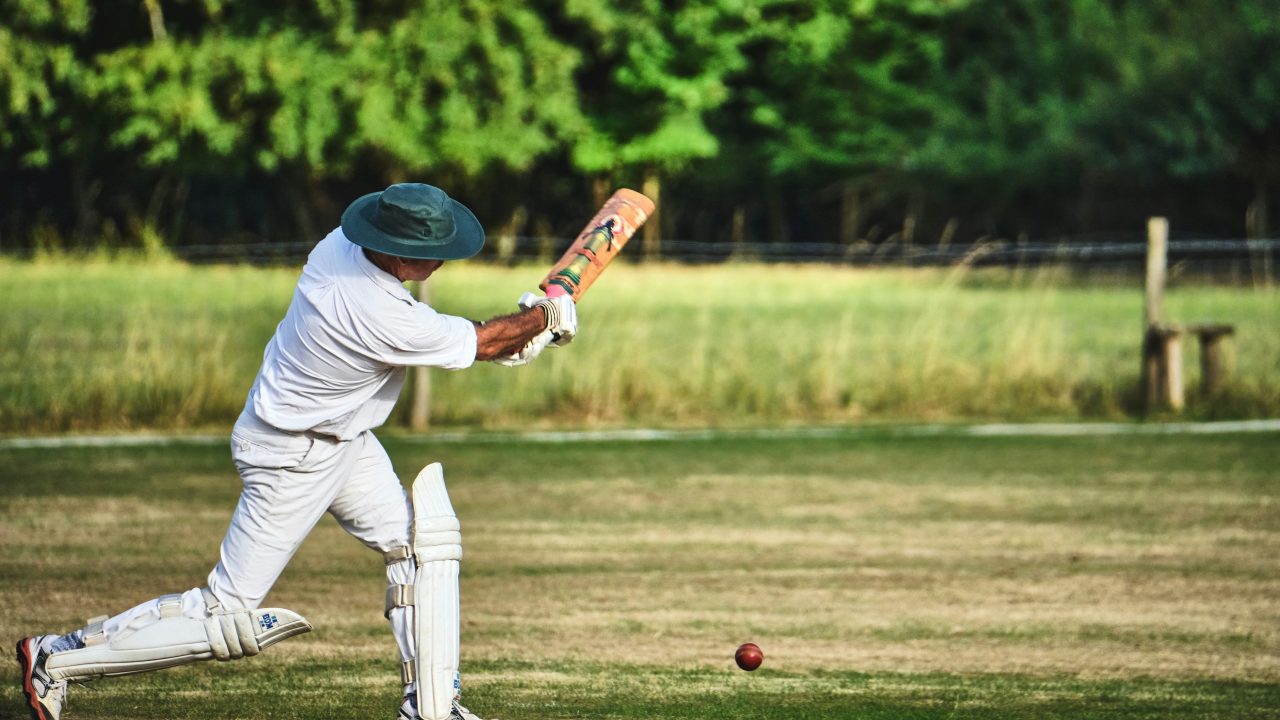
Photo by Alfred Kenneally on Unsplash
Confidence is built through preparation. Training matters most, but equipment also plays a role. Sports apparel influences how athletes move, think, and perform under pressure. The effect is not simply psychological. It is also mechanical, physiological, and social.
Modern sportswear is designed to reduce distractions. It improves comfort, supports movement, and reinforces team identity. When athletes trust what they wear, they can focus on execution instead of adjustment.
Confidence Starts Before Competition
Confidence develops long before the opening whistle.
Athletes create routines that prepare both the body and mind. Clothing becomes part of that process. Pulling on a familiar uniform signals that competition has begun. This mental cue helps transition from preparation to performance.
Research supports the connection between confidence and athletic success. A systematic review covering 3,711 athletes across 24 sports found a positive relationship between self-confidence and performance, with an overall correlation of 0.25.
For teams that want a unique identity, custom cricket jerseys create visual consistency while allowing organizations to reflect their brand and culture.
The Technical Value of Modern Sportswear
Athletic clothing has evolved beyond appearance.
Engineered fabrics regulate temperature, manage moisture, and improve comfort during extended activity. Compression materials may reduce muscle oscillation during repeated movement. Stretch panels increase mobility without adding unnecessary weight.
These technical features reduce small distractions that accumulate during competition.
Examples include:
- Moisture management that keeps skin drier.
- Four-way stretch fabrics for unrestricted movement.
- Flatlock seams that reduce skin irritation.
- Lightweight construction that minimizes fatigue.
- Ventilation zones that improve airflow.
Each improvement may appear minor on its own. Together they create a more consistent playing experience.
Fit Influences Movement Quality
Poorly fitted apparel changes movement patterns.
Loose clothing can interfere with running mechanics. Tight garments may restrict range of motion. Constant adjustments interrupt concentration during critical moments.
Elite teams spend considerable time selecting uniforms because consistency matters. Athletes want equipment that feels predictable.
Proper fit supports confidence by removing uncertainty. Players trust their movements because nothing feels unfamiliar.
That trust becomes especially valuable during high-pressure situations.
Team Identity Builds Collective Confidence
Uniforms communicate more than colors.
They establish belonging.
When every athlete wears the same design, individual players become part of a larger system. Shared identity strengthens communication, accountability, and collective responsibility.
This effect is especially noticeable in team sports where coordination determines success.
A strong uniform program often includes:
- Consistent colors across all teams.
- Clear numbering and player identification.
- Durable materials for repeated competition.
- Designs that represent club history.
- Apparel suited to local weather conditions.
These details reinforce professionalism before the first play begins.
Apparel Reduces Cognitive Load
Competition requires rapid decision making.
Players process positioning, timing, tactics, and communication simultaneously. Any unnecessary distraction increases cognitive load.
Comfortable apparel removes one variable from that process.
Athletes no longer think about overheating, chafing, or adjusting loose clothing. Mental resources remain available for reading the game and reacting faster.
Sports psychologists often describe confidence as a product of preparation. Reliable equipment becomes part of that preparation because it eliminates avoidable concerns.
Appearance Can Influence Opponents
Sport contains psychological battles alongside physical ones.
Professional-looking uniforms can shape first impressions before competition begins. Organized teams often appear more disciplined and prepared.
This does not guarantee victory.
However, confident body language combined with sport-specific apparel can influence how opponents perceive readiness. Studies have shown athletes judge competitors differently based on appearance and presentation.
That perception can affect early momentum, particularly in closely matched contests.
Another important factor is durability. Apparel that maintains its fit, shape, and performance after repeated washing gives athletes consistency throughout an entire season. Players develop trust in equipment that performs the same way every match. That consistency reinforces confidence because there are fewer unexpected distractions on game day.
Confidence Comes From the Complete System
Sports apparel does not replace talent.
It cannot compensate for poor preparation or lack of skill.
Instead, quality apparel supports the systems that create confidence. It improves comfort, reinforces identity, reduces distractions, and allows athletes to perform naturally.
The best uniforms disappear during competition. Players stop thinking about what they are wearing because everything functions exactly as expected.
That is the real advantage.
Confidence grows when every part of preparation works together. Apparel becomes one more tool that helps athletes focus on execution instead of everything around it.
Buy Me A Coffee
The Havok Journal seeks to serve as a voice of the Veteran and First Responder communities through a focus on current affairs and articles of interest to the public in general, and the veteran community in particular. We strive to offer timely, current, and informative content, with the occasional piece focused on entertainment. We are continually expanding and striving to improve the readers’ experience.
© 2026 The Havok Journal
The Havok Journal welcomes re-posting of our original content as long as it is done in compliance with our Terms of Use.


