
Recovering from a collision is a slow process that requires patience. Your body needs time to heal before you jump back into a gym routine. Starting too fast can cause more harm than good. Focus on small steps that prioritize your well-being. This guide helps you navigate the path back to fitness safely. You can regain your strength with the right plan. Staying consistent with your efforts will pay off over time. You should never feel rushed when it comes to your physical health.
Beginning the Journey Back to Activity
The first few weeks after a crash are for rest and medical checks. Since you were injured in a car accident recently, your recovery plan must be personalized. Rushing this stage often leads to setbacks that last for months. You need to focus on healing the foundation of your body before building muscle. Take this time to reflect on your physical goals.
You might feel a strong urge to get back to your old self. Yet, your body is currently in a state of repair. Honor that process by taking things one day at a time. This initial phase is about stabilization rather than growth. Small wins are what matter most right now.
Understanding Global Safety Trends
Road safety is a major topic for researchers around the world. Understanding the scope of these events helps people realize they are not alone. Many survivors face the same challenges when trying to get active again. Safety should always come before performance in your fitness journey.
A global safety report for 2025 indicated that road crashes still claim roughly 80,000 lives annually across many countries. This data highlights the severity of these events and why recovery must be taken seriously. You are part of a large group of people working toward wellness after a trauma. Use that knowledge to find strength and community. Your path to health is a shared human experience.
Creating a Safe Physical Foundation
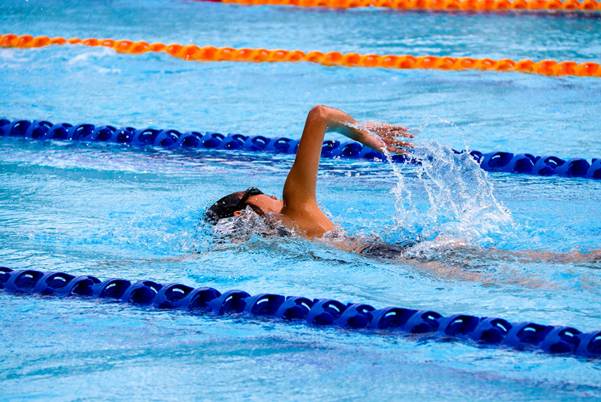
Targeted movement helps repair damaged tissues and reduces stiffness. Low-impact exercises like walking or swimming are usually the best starting points. These activities keep your joints mobile without adding heavy stress. You should avoid heavy weights or high-impact jumping for a while.
One medical article explained that physical therapy speeds up recovery by boosting blood flow to injured areas. This improved circulation provides the nutrients needed for muscles to heal. It can reduce the chronic pain that often follows a wreck. Work with a therapist who can guide your movements. They can spot small errors in your form that might lead to more pain.
- Start with stretching to improve the range of motion.
- Use resistance bands for gentle strength building.
- Walk on flat surfaces to avoid balance issues.
- Practice deep breathing to manage pain signals.
Mental Resilience After Trauma
The impact of a crash is not only physical. Your brain needs time to process the trauma and any physical jars it took. Mental health plays a huge role in how fast your body responds to exercise. If your mind is stressed, your body will struggle to repair itself.
A mental health resource stated that peak psychological distress typically occurs within the first 1 to 3 months following a crash. Managing this stress is necessary for your overall energy levels. Ignoring your emotions can lead to burnout or fatigue. You might notice that your motivation is lower than usual. This is a natural response to a high-stress event.
Navigating Cognitive Recovery
Physical injuries are often easy to see, but cognitive ones are hidden. Your ability to focus or stay balanced might be affected. These symptoms can impact how you perform in the gym. It is best to treat your brain with the same care as a broken bone.
Research shows that nearly half of survivors deal with PTSD symptoms in the first six weeks. Recovery for these mental hurdles can take 1 to 3 years. Physical activity should support your mental state, not add more pressure. Permit yourself to have bad days. Some days you will feel strong and ready to go. Other days, you might just need to rest.
The Science of Neuro-Rehabilitation
Brain health is a major factor when returning to sports or heavy training. Even minor impacts can change how your nervous system functions. Exercise can actually be a tool for brain healing if used correctly. You are teaching your brain how to connect with your muscles again.
A scientific paper noted that physical activity is a promising non-drug therapy for neuro-rehabilitation. It helps the brain rewire itself after a traumatic event. This moves a medical tool rather than just a hobby. Focus on movements that require coordination and balance. These exercises challenge your brain to build new pathways.
Improving Quality of Life
Getting back to a routine improves your mood and your outlook. It helps you feel more like yourself again. This transition is a bridge between being a patient and being an athlete. You should start with very light cardio to see how your head feels.
A study on outpatients with brain injuries found that moderate physical activity improved their overall quality of life. Moving your body helps you feel more like yourself again. Increase the intensity only if you remain symptom-free for several days. If you feel dizzy, stop immediately. Your brain safety is the highest priority.
Building a Sustainable Routine
Working with experts provides a safety net for your fitness journey. Trainers who understand injury rehab can modify movements to fit your needs. They help you avoid bad form that might cause new injuries. A structured plan reduces the guesswork in your daily life.
A legal blog mentioned that building a routine is a powerful way to find stability after a traumatic event. This routine should include set times for meals and relaxation. Having a schedule keeps you grounded when life feels chaotic. Consistency builds confidence as you see small improvements every week. Do not try to navigate this complex path alone.
Returning to fitness after a road accident is a brave step toward reclaiming your life. It requires a balance of hard work and gentle care. By listening to professionals and your own body, you can reach your goals. Stay patient with yourself during the process. Every bit of progress is a victory worth celebrating. Your strength will return as you continue to prioritize your health and safety. You have the power to overcome this challenge and move forward.
Buy Me A Coffee
The Havok Journal seeks to serve as a voice of the Veteran and First Responder communities through a focus on current affairs and articles of interest to the public in general, and the veteran community in particular. We strive to offer timely, current, and informative content, with the occasional piece focused on entertainment. We are continually expanding and striving to improve the readers’ experience.
© 2026 The Havok Journal
The Havok Journal welcomes re-posting of our original content as long as it is done in compliance with our Terms of Use.


