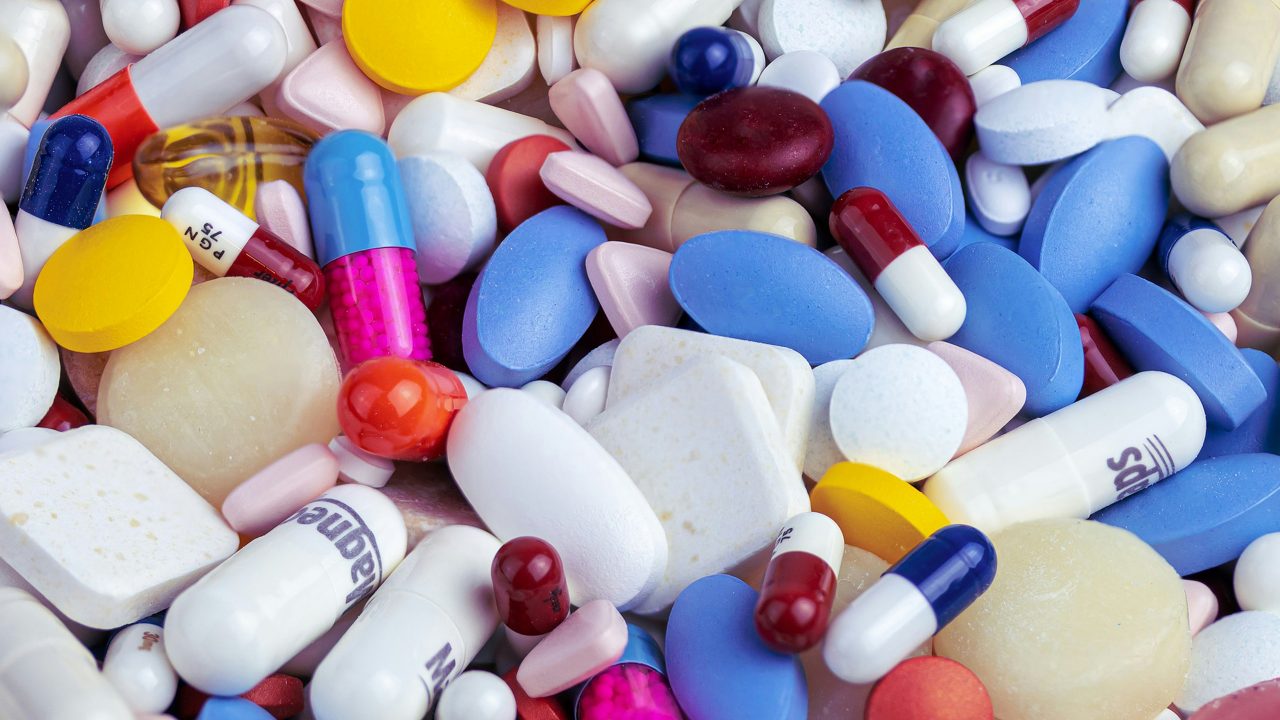
Photo by Myriam Zilles on Unsplash
Sildenafil, the active ingredient in Viagra, is quite popular as a first-line treatment for Erectile Dysfunction (ED) or Impotence in men. It belongs to a group of medicines called Phosphodiesterase Type 5 (PDE5) inhibitors, which help relax and widen blood vessels for improved blood flow. But this is not its only medical use.
Sildenafil can also help improve exercise ability in cases of Pulmonary Arterial Hypertension. Depending on the condition being treated and the prescribed dose, it is also used for selected off-label cases under medical guidance.
This article explains both the approved and off-label uses of this medication and how it works in each case. It also lists key safety points to consider before and during treatment with Sildenafil.
1. Pulmonary Arterial Hypertension (PAH)
In patients with PAH, Sildenafil helps reduce pressure in the blood vessels that carry blood from the heart to the lungs. This easier blood flow allows for better tolerance and stamina for physical activity. The SUPER-1 trial showed that Sildenafil improved the 6-minute walk distance within 6 months in adults with PAH.
Unlike as-needed use in ED, Sildenafil is prescribed on a regular schedule for Pulmonary Arterial Hypertension. The typical adult dose is 20 mg taken 3 times daily, usually 4 to 6 hours apart.
2. Raynaud’s Phenomenon
Raynaud’s Phenomenon is a condition that causes the small blood vessels in the fingers or toes to narrow, often in response to cold temperatures or stress. When this happens, the affected areas often turn pale or blue and feel numb or painful.
The blood vessel-relaxing effect of Sildenafil can improve circulation in such cases. It can also help reduce the severity of attacks and support healing in severe cases with reduced blood flow.
This is not an FDA-approved use, and should only be considered when a doctor prescribes it. Dosing schedule for Raynaud’s symptoms can differ from Sildenafil dosage for ED or PAH, based on the severity of the condition.
3. High-Altitude Pulmonary Edema (HAPE)
Sildenafil is also advised in selected off-label situations for High-Altitude Pulmonary Edema. It is an altitude-related condition in which fluid builds up in the lungs due to increased pressure.
In this case, Sildenafil can help relax the blood vessels and lower pulmonary pressure. This can reduce strain on the lungs at high altitudes and improve oxygen movement in specific situations.
However, it is not a standard prevention method or stand-alone treatment for HAPE, and should only be considered under medical supervision.
4. Erectile Dysfunction (ED)
Sildenafil is FDA-approved to treat ED in adult males. It works by improving blood flow to the penis during intimate stimulation. Thus, it is commonly prescribed by men who face trouble getting or keeping an erection firm enough for intimate activity.
Clinical studies have found that improved erections were seen in 56%, 77%, and 84% of men taking 25 mg, 50 mg, and 100 mg of Sildenafil.
For ED, Sildenafil oral pills like Viagra or Cenforce are usually taken in the prescribed dose 30-60 minutes before intercourse. It usually remains effective for 4-6 hours after intake, providing a decent window for intimate activities.
5. Female Arousal Disorder (FSIAD)
Sildenafil has been studied in selected cases of FSIAD. Research has found that improved genital blood flow can help with physical arousal in certain women. It has also been effective when arousal issues arise from the side effects of antidepressants.
However, the current evidence is mixed and lacks large-scale studies. Thus, it is not considered a routine treatment option for FSIAD or HSDD.
Sildenafil-based pills like Lovegra or Femalegra can be advised off-label by a doctor. They will, however, first review other possible causes such as hormonal changes, medication effects, pain, stress, or relationship concerns.
Safety considerations while taking Sildenafil
Sildenafil, whether prescribed for ED, PAH or female arousal issues, will only be effective when used correctly. Since it relaxes blood vessels and lowers blood pressure, it can interact with medicines, health conditions, and foods that affect BP as well.
Important safety precautions to keep in mind to avoid adverse reactions include:
- Avoid heavy or fatty meals close to your dose.
- Avoid alcohol for at least 3 to 4 hours before taking Sildenafil.
- Avoid grapefruit or pomelo 24 hours before and after taking the dose.
- Do not combine Sildenafil with nitrate medicines, riociguat, alpha-blockers or blood pressure medicines.
- Tell your doctor if you have heart disease, irregular heartbeat, recent chest pain, or a recent history of heart attack or Stroke.
- Use caution if you have liver or kidney disease.
Seek immediate medical advice if you notice chest pain, fainting, severe dizziness, sudden vision or hearing changes, or an erection lasting longer than 4 hours.
Conclusion
Sildenafil is mainly used for two FDA-approved conditions, Erectile Dysfunction in adult males and Pulmonary Arterial Hypertension. In ED, it improves blood flow to the penis during intimate stimulation for firmer erections. In PAH, it relaxes the blood vessels in the lungs and improves exercise ability.
It can also be used in selected off-label situations, such as Raynaud’s Phenomenon, High-Altitude Pulmonary Edema, and Female Arousal Disorder. However, these uses are not officially approved and should only be considered under medical guidance.
The proper, safe use of Sildenafil depends on the condition being treated, prescribed dose, and overall health. Since it can interact with nitrates, blood pressure medicines, alcohol, and grapefruit, it is important to consult a doctor before treatment.
References
Buy Me A Coffee
The Havok Journal seeks to serve as a voice of the Veteran and First Responder communities through a focus on current affairs and articles of interest to the public in general, and the veteran community in particular. We strive to offer timely, current, and informative content, with the occasional piece focused on entertainment. We are continually expanding and striving to improve the readers’ experience.
© 2026 The Havok Journal
The Havok Journal welcomes re-posting of our original content as long as it is done in compliance with our Terms of Use.