Key Takeaways
- Sedation dentistry offers a safe, proven solution that allows even the most apprehensive patients to receive the dental care they need without fear or distress.
- There is a sedation option for virtually every patient and procedure: from mild inhalation sedation with nitrous oxide to deep sedation and general anesthesia, the spectrum of available options can be tailored to match each patient’s unique needs and comfort level.
- While sedation keeps the patient relaxed and at ease, local anesthesia is administered separately to ensure complete, targeted pain relief at the treatment site.
- Rigorous pre-screening, continuous monitoring of vital signs, and strict sedation protocols ensure that patients are in capable, well-prepared hands throughout their entire dental experience.
- Understanding the sedation options available, how to prepare, and what to expect during recovery makes it significantly easier to overcome hesitation and commit to maintaining long-term oral health.
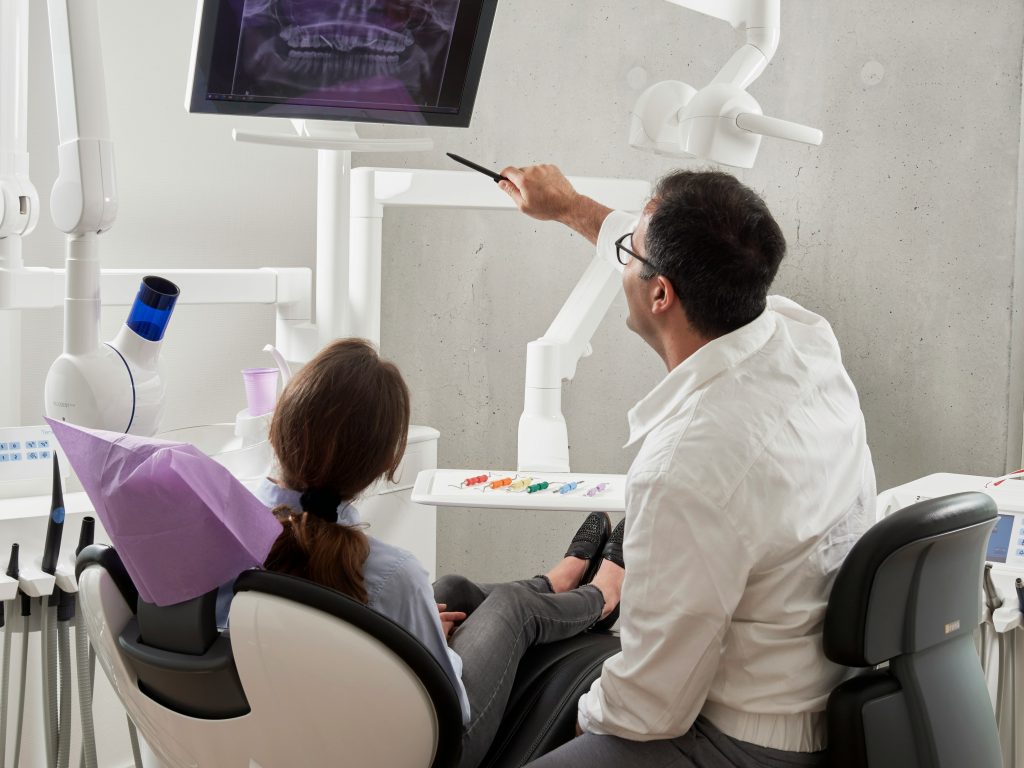
For millions of Americans, the thought of sitting in a dental chair is enough to trigger sweaty palms, a racing heart, or even a full-blown panic attack. General dental anxiety and dental phobia are far more common than most people realize. And they carry serious consequences. When fear keeps patients away from routine cleanings, checkups, and necessary dental procedures, minor issues can quietly escalate into costly, complex problems that take a serious toll on overall oral health.
The good news is that sedation dentistry has transformed the way patients experience dental care. Safe, well-established, and increasingly accessible, it offers a proven path for turning an anxiety-ridden dental visit into a calm, manageable—even comfortable—experience.
Understanding your sedation options, what safety protocols are in place, and what to expect before, during, and after treatment can make all the difference. When patients are informed, they are empowered to make confident decisions and finally take control of their dental health.
Who Can Benefit from Sedation Dentistry?
Sedation dentistry isn’t reserved for the rare, extreme case. It’s a practical solution for a surprisingly wide range of patients. If any of the following situations sound familiar, sedation may be worth discussing with your dentist.
1. Patients with High Anxiety or Dental Phobia
For those who lose sleep before a dental appointment or feel overwhelming dread at the mere thought of the dental chair, sedation dentistry offers genuine relief. Rather than avoiding care altogether, anxious patients can receive the treatment they need in a calm, stress-free state.
2. Patients with Physical Limitations
Strong gag reflexes can make even routine cleanings feel unbearable, while individuals with joint and muscle soreness often struggle to keep their mouth open for extended periods. Sedation relaxes the body, making longer procedures far more physically tolerable.
3. Patients with Extensive Treatment Needs
For those undergoing multiple dental procedures in a single visit (e.g., full smile makeovers or complex restorative care), sedation allows dentists to work more efficiently while keeping patients comfortable throughout.
4. Children and Patients with Special Needs
In pediatric dentistry, sedation plays a vital role in helping young patients or those with special needs receive safe, effective dental care when cooperation is difficult or simply not possible.
Types of Sedation
Not all sedation is created equal. Depending on a patient’s anxiety level, medical history, and the complexity of the dental procedure, a dentist will recommend one of several sedation options, each with its own method of delivery, depth of effect, and recovery profile.
1. Inhalation Sedation: Nitrous Oxide
Nitrous oxide, widely known as laughing gas, is the most commonly used and mildest form of dental sedation. Administered through a small mask placed over the nose, this nitrous oxide/oxygen sedation produces a gentle sense of relaxation and mild euphoria without putting the patient to sleep.
One of its greatest advantages is its remarkably quick recovery time: within minutes of removing the mask, the effects wear off completely, meaning most patients can safely drive themselves home after their dental appointment.
2. Oral Sedation
Oral conscious sedation involves taking a prescribed medication by mouth, typically before arriving at the dental office. Commonly used drugs include zaleplon, lorazepam, and, for pediatric patients, midazolam syrup.
Depending on the dosage, oral sedation can produce a spectrum of effects ranging from minimal sedation, where the patient feels relaxed but fully awake, to moderate sedation, where drowsiness sets in, and many patients have little to no memory of the procedure afterward. Patients receiving oral sedation will need a trusted adult to drive them home.
3. IV Sedation
IV (or intravenous) sedation delivers sedative medication directly into the bloodstream through an IV line, producing a rapid and highly controllable effect. Because the level of conscious sedation can be continuously adjusted throughout the procedure, it is particularly well-suited for longer or more complex dental procedures. Patients typically remain conscious but deeply relaxed, with little to no memory of the experience.
4. Deep Sedation and General Anesthesia
At the far end of the spectrum, deep sedation and general anesthesia render the patient completely, or almost completely, unconscious. These approaches are typically reserved for highly complex cases, such as surgical extractions, impacted wisdom teeth, or extensive periodontal surgery.
Due to the advanced level of monitoring and airway support required, these procedures are performed by specialized dental anesthesiologists or oral surgeons, often in a hospital setting or a dedicated sedation center.
Common Procedures Utilizing Dental Sedation
Dental sedation is far more versatile than many patients realize. While it is most commonly associated with complex or invasive procedures, it can be appropriately applied across a broad range of dental treatments.
1. Complex and Invasive Procedures
Sedation is frequently used for involved treatments such as the placement of dental implants, root canal therapy, periodontal surgery, and surgical extractions (including the removal of impacted wisdom teeth). These procedures can be lengthy, uncomfortable, or emotionally daunting, making sedation an important tool for ensuring both patient comfort and procedural success.
2. Routine and Restorative Procedures
Sedation isn’t exclusively for major dental work. Patients with significant dental anxiety may opt for sedation even during routine cleanings or minor restorative care. If fear has historically been a barrier to consistent dental visits, sedation can help make every appointment manageable, regardless of how minor the procedure may be.
3. Sedation vs. Local Anesthesia
An important distinction. It’s worth clarifying that sedation and local anesthesia serve two distinct purposes. Sedation addresses relaxation and awareness, calming the mind and body.
Local anesthesia, on the other hand, is injected directly at the treatment site to block pain sensation. In most dental procedures, both are used together: sedation keeps the patient calm and comfortable, while the local anesthetic ensures they feel no pain in the specific area being treated.
Patient Safety, Monitoring, and Protocols
For many patients, the prospect of sedation itself can feel intimidating. Understanding the rigorous safety measures in place, however, can provide meaningful reassurance. Modern sedation dentistry is built on a foundation of thorough preparation, continuous monitoring, and well-rehearsed emergency protocols.
1. Pre-Screening and Medical History Review
Before any sedation method is selected, a comprehensive review of the patient’s full medical history is absolutely essential. Existing medical conditions (e.g., cardiovascular issues, respiratory concerns, allergies, or current medications) can significantly influence which sedation option is safest and most appropriate.
This pre-screening step is not just a formality but a critical safeguard that allows the dental team to tailor the sedation plan to each individual patient.
2. Active Monitoring Throughout the Procedure
Once sedation is administered, the dental staff, anesthesia provider, or sedation-trained nurses continuously monitor the patient’s vital signs for the entire duration of the procedure. This includes close tracking of heart rate, oxygen saturation, systolic blood pressure, and diastolic blood pressure, ensuring that any changes are identified and addressed promptly.
3. Emergency Preparedness and Patient Safety
Reputable dental offices follow strict sedation protocols and are thoroughly equipped to respond to unexpected situations. Airway support equipment and reversal agents are kept readily available, and team members are trained to act swiftly should any complications arise. Patient safety, from the first moment of sedation to full recovery, remains the highest priority throughout the entire dental experience.

Preparation and Recovery
A smooth sedation experience begins well before the patient sits in the dental chair and extends into the hours that follow.
1. Before the Appointment
Patients are typically instructed to fast for a specified number of hours prior to their dental appointment, particularly for deeper levels of sedation. Arranging for a trusted adult to serve as an escort is also essential, as most forms of sedation will temporarily impair the ability to drive safely.
2. After the Appointment
Recovery time varies depending on the type of sedation used. Most patients can expect to spend the remainder of the day resting at home in a comfortable, supervised environment. Light activity and a soft diet are generally recommended until the effects have fully subsided.
3. Potential Side Effects
Common sedation side effects include grogginess, dry mouth, mild nausea, and temporary drowsiness. These are typically short-lived and manageable. Staying well-hydrated, avoiding strenuous activity, and following the dental office’s post-procedure instructions carefully will help ensure a safe and comfortable recovery.
Conclusion
Dental anxiety and dental phobia are real, valid experiences. But they should never stand between a patient and the oral health care they deserve. Sedation dentistry has made it possible for a far broader range of patients to access comfortable, stress-free dental treatment, regardless of their fears, physical limitations, or the complexity of their needs.
From the gentle calm of nitrous oxide to the deeper relief of IV sedation or general anesthesia, today’s sedation options are safer, more refined, and more accessible than ever before.
If fear or discomfort has kept you from the dental care you need, there is no better time to take that first step. Reach out to your dental office, share your medical history and concerns openly, and ask which sedation option may be the right fit for your next dental visit. A healthier, more confident smile is well within reach.
Buy Me A Coffee
The Havok Journal seeks to serve as a voice of the Veteran and First Responder communities through a focus on current affairs and articles of interest to the public in general, and the veteran community in particular. We strive to offer timely, current, and informative content, with the occasional piece focused on entertainment. We are continually expanding and striving to improve the readers’ experience.
© 2026 The Havok Journal
The Havok Journal welcomes re-posting of our original content as long as it is done in compliance with our Terms of Use.