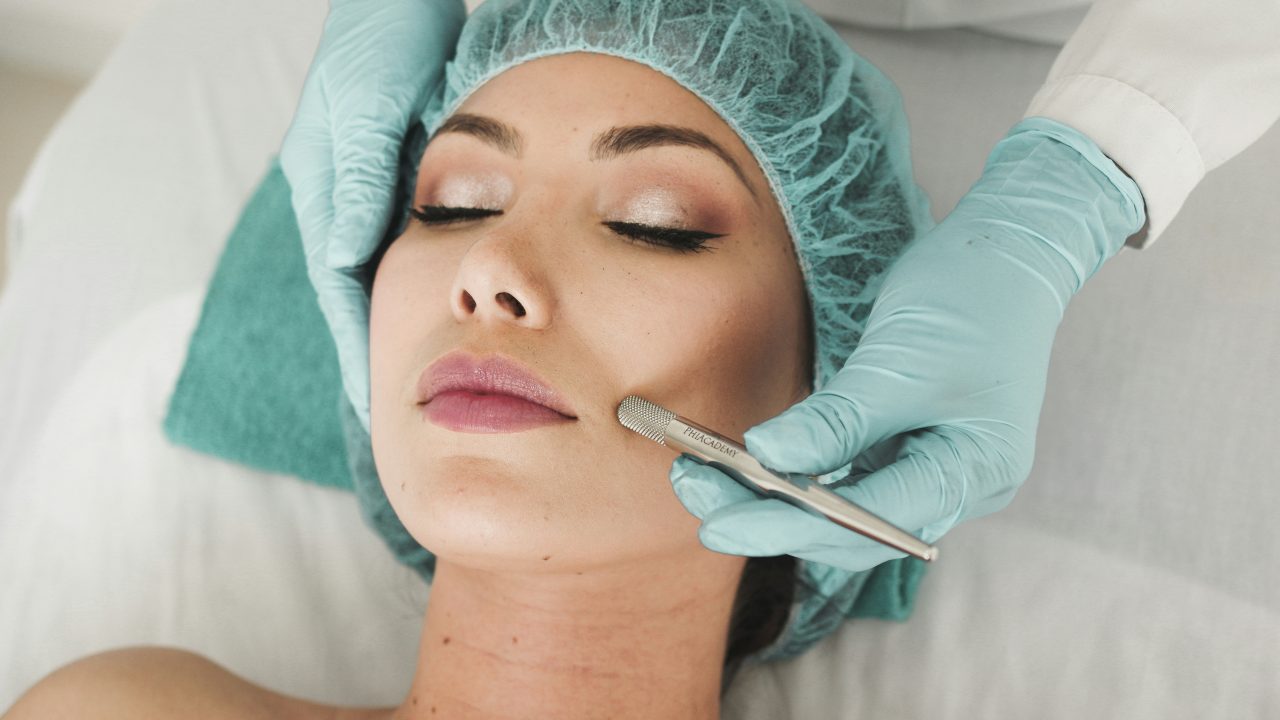
Photo by karelys Ruiz on Unsplash
The pandemic has largely contributed to a surge in virtual work meetings with fewer in-person interactions. Interestingly, a recent study suggests that the increase in videoconferencing has contributed to a surge in cosmetic surgery.
“As more people spend more time on their screens, their perceptions about how they look shift to how they see themselves on screen, and they seek procedures to help improve their image. We’ve seen Zoom dysphoria as one of the primary reasons for cosmetic surgery’s recent surge in demand,” says Sacha Obaid, M.D., of North Texas Plastic Surgery.
Hence, it explains why, in contrast to before the pandemic, the medical cosmetic sector has witnessed a 23% growth in business. Additionally, a survey by the American Society of Plastic Surgeons (ASPS) reveals that 47% of plastic surgery businesses have more demand than before.
Understanding the Demand
ASPS surveyed 300 of its members. In the survey, 40% of respondents observed a decline in patient travel compared to pre-pandemic trends.
With reduced travel, many individuals redirected discretionary spending intended for vacations toward cosmetic procedures. Unused off days were often repurposed for post-operative recovery, making scheduling more convenient.
Another key factor was the psychological impact of the pandemic. 40% of doctors reported that patients expressed a desire to feel more beautiful and confident due to prolonged periods of isolation during the pandemic. As a result, more patients made definitive decisions about which procedures they were willing to undergo and were willing to invest more in them.
Why People Think Cosmetic Surgery is the Answer
The demand for cosmetic surgery skyrocketed for a variety of reasons. One study found that people primarily opt for cosmetic surgery when they see signs of aging, such as wrinkles.
Plastic surgeons have indicated that the rise in video conferencing has contributed to the increase in demand for cosmetic surgery. According to them, video conferencing on Zoom allows people time to evaluate their appearances and see the minute details of aging on their faces.
Research firmly supports this observation. A study in the International Journal of Women’s Dermatology linked the phenomenon it termed “Zoom Dysphoria” to video conferencing during the COVID-19 pandemic. According to the study, Zoom Dysphoria occurs when women perceive themselves to have a negative appearance.
The study further explains why women tend to demand cosmetic procedures. Cameras can give a distorted view of one’s appearance and also tend to make certain facial features more prominent on screen than they are in the mirror.
The Popular Cosmetic Procedures
In 2022, the ASPS surveyed to unveil the most demanded cosmetic procedures in the US. The survey revealed that liposuction, facelifts, breast augmentation, tummy tucks, and breast lifts are the most common procedures.
The survey also revealed the most popular minimally invasive procedures. In this period, the most popular were soft tissue fillers, Botox, non-invasive fat reduction, and non-surgical skin tightening.
Additionally, the study revealed the age range of people who are likely to undergo a cosmetic procedure. The survey found that people between 31 and 35 years of age are likely to undergo a minimally invasive procedure like Botox. On the other hand, lip fillers are most common among people under 30.
Popular Cosmetic Procedures Around the World
The US is not the only place where demand for plastic surgery has surged. Following the lifting of lockdown restrictions, there was a significant surge in demand for plastic surgery worldwide.
Eyelid surgery is the most popular procedure in Japan, while rhinoplasty is the most popular in Turkey, which is the most popular country for cosmetic surgery in the Middle East region.
Conclusion
The virtual age brought on by the COVID-19 pandemic has significantly influenced the rise in cosmetic surgery, as increased screen time and remote work have heightened self-awareness around personal appearance.
As long as remote work and video conferencing exist, individuals are likely to continue evaluating their facial aesthetics more critically. Ultimately, it will be crucial to observe how these trends evolve or shift as more employers strive to reintroduce stricter in-office policies.
Buy Me A Coffee
The Havok Journal seeks to serve as a voice of the Veteran and First Responder communities through a focus on current affairs and articles of interest to the public in general, and the veteran community in particular. We strive to offer timely, current, and informative content, with the occasional piece focused on entertainment. We are continually expanding and striving to improve the readers’ experience.
© 2026 The Havok Journal
The Havok Journal welcomes re-posting of our original content as long as it is done in compliance with our Terms of Use.