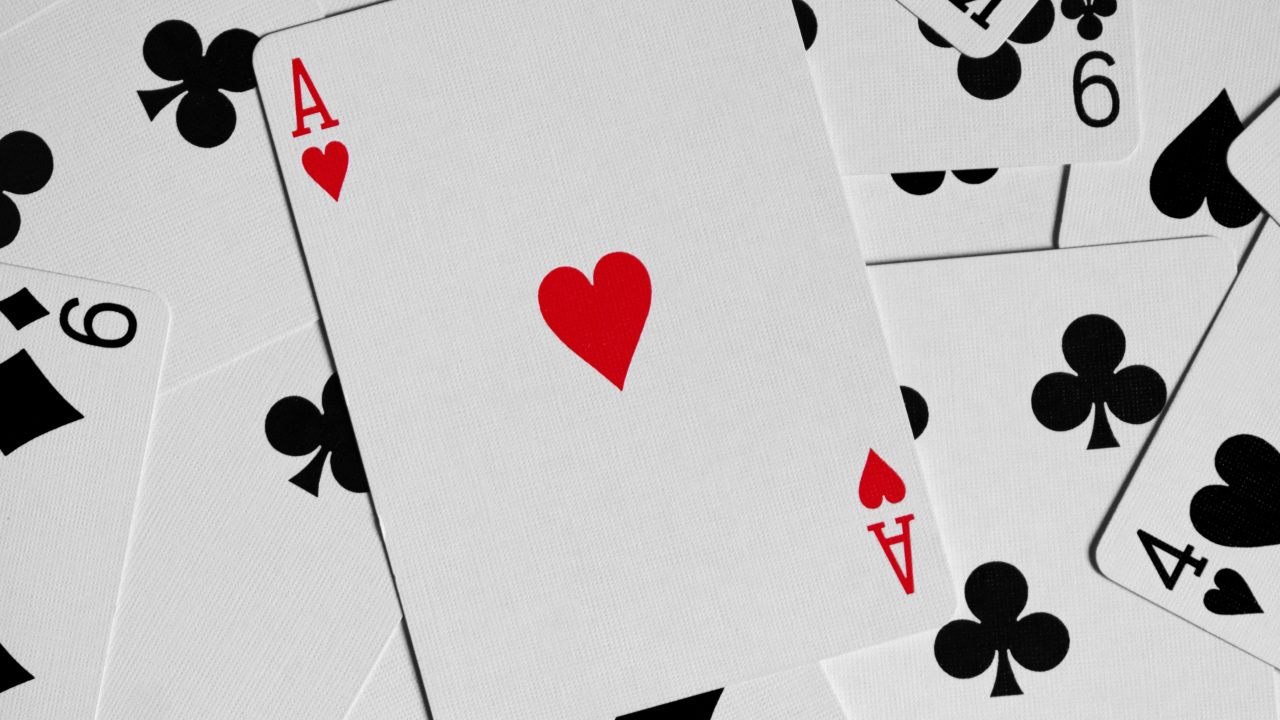
Photo by Angshu Purkait on Unsplash
Wherever soldiers have waited, a deck of cards has usually waited with them. That single idea runs through almost every account of military life, from muddy trenches to air-conditioned barracks: when the mission stops, the cards come out. Poker, more than any other game, became the unofficial pastime of downtime — cheap to carry, quick to learn, and endlessly social. It filled the dead hours between drills and dawn formations, and it gave service members something war rarely offered: a level table where rank dropped away for a few hands. Over the decades that same game followed troops home, into VFW halls, garage tournaments, and eventually onto the screens in their pockets.
That last stop is where the tradition lives loudest today. For veterans and active-duty players who want the old barracks energy without rounding up a table of nine, modern poker sites have become the natural home for the game. Guides that rank the best real-money options for 2026 walk players through the names that matter — ACR, CoinPoker, GGPoker — and explain the differences that actually shape a session: cash games versus tournaments, Texas Hold’em versus Omaha, and how crypto banking moves money in and out. They also lay out where things stand on US legality and offshore play, and they treat responsible gambling as a built-in part of the conversation. For someone who once learned the game on a footlocker, it’s a familiar pastime with a new front door.
Why the Game Took Hold in the Ranks
Poker’s appeal to the military mind was never an accident. The game prizes patience, reads, and nerve — qualities that translate cleanly from a card table to a watch shift. It also fit the practical reality of service life. A deck weighed nothing, fit in a cargo pocket, and could be dealt on a cot, a crate, or the hood of a Humvee. No power, no signal, no special field required.
There was a social logic to it, too. A poker game pulled together troops from different platoons and gave them a few hours of common ground. The stakes were usually small — quarters, MREs, bragging rights — but the camaraderie was real. For people far from home and short on entertainment, that mattered. Card games became one of the rituals that held units together through long, boring stretches the movies never bother to show. Museum collections of Great War decks show just how central the game was to a doughboy’s idea of rest, with patriotic designs and worn aces telling the story of men who fought hard and, between battles, dealt one more round.
Cards as Tools of War and Survival
The link between cards and the military runs deeper than killing time. During World War II, playing cards were quietly engineered into instruments of escape. The U.S. Playing Card Company partnered with intelligence services to produce decks that, when soaked in water, peeled apart to reveal hidden maps showing safe routes out of enemy territory. The story of these escape cards of World War II is one of the more remarkable footnotes in the long marriage between soldiers and the deck — a reminder that a stack of 52 could carry more than a poker hand.
That history stretches back further still. American troops in the trenches of the Great War carried decks as standard personal kit, treating them as essential gear alongside rations and tobacco. The game traveled with them across the Atlantic and back, and the worn packs that survived speak to just how much downtime those soldiers spent shuffling between the horrors of the front.
How Poker Became America’s Game
Poker didn’t start in the barracks, but it grew up alongside the country’s restless, on-the-move history. Riverboats, frontier saloons, and Civil War camps all helped spread the game, and soldiers carried it from one region to the next, swapping rules and variants as they went. The detailed history of poker in America traces how the game absorbed influences and steadily evolved into the version of Texas Hold’em most players recognize today.
Military service kept feeding that growth. Each major conflict scattered the game wider, sending home a fresh generation of players who’d learned to read a bluff under pressure. By the time poker found its way onto cable television, it had already spent more than a century riding shotgun with the armed forces. The pastime that veterans recognize as their own is, in a real sense, a national inheritance shaped by people in uniform.
The Game Comes Home — and Goes Online
For most veterans, the cards never fully stopped after discharge. They migrated to kitchen tables, reunion weekends, and charity tournaments where old units regroup once a year to needle each other across the felt. Poker became one of the threads tying the after-service years back to the deployment days, a familiar ritual in a civilian world that can feel oddly quiet.
The online shift simply removed the logistics. A veteran in a rural county no longer needs eight buddies and a free Saturday to find a game; a quick session can fill the same downtime a deck once filled in the barracks. The smart approach mirrors the old one — set limits, treat it as entertainment, and keep the stakes in proportion to the fun. Responsible play has always been part of the culture, even when the buy-in was a sleeve of crackers.
What hasn’t changed is the pull of the game itself. The patience, the reads, the small thrill of a well-timed bluff — those belonged to the soldier on the cot and belong just as much to the player on the couch. From the trenches to the touchscreen, poker has proven itself one of the most durable companions service life ever produced, and it shows no sign of folding now.
Buy Me A Coffee
The Havok Journal seeks to serve as a voice of the Veteran and First Responder communities through a focus on current affairs and articles of interest to the public in general, and the veteran community in particular. We strive to offer timely, current, and informative content, with the occasional piece focused on entertainment. We are continually expanding and striving to improve the readers’ experience.
© 2026 The Havok Journal
The Havok Journal welcomes re-posting of our original content as long as it is done in compliance with our Terms of Use.


