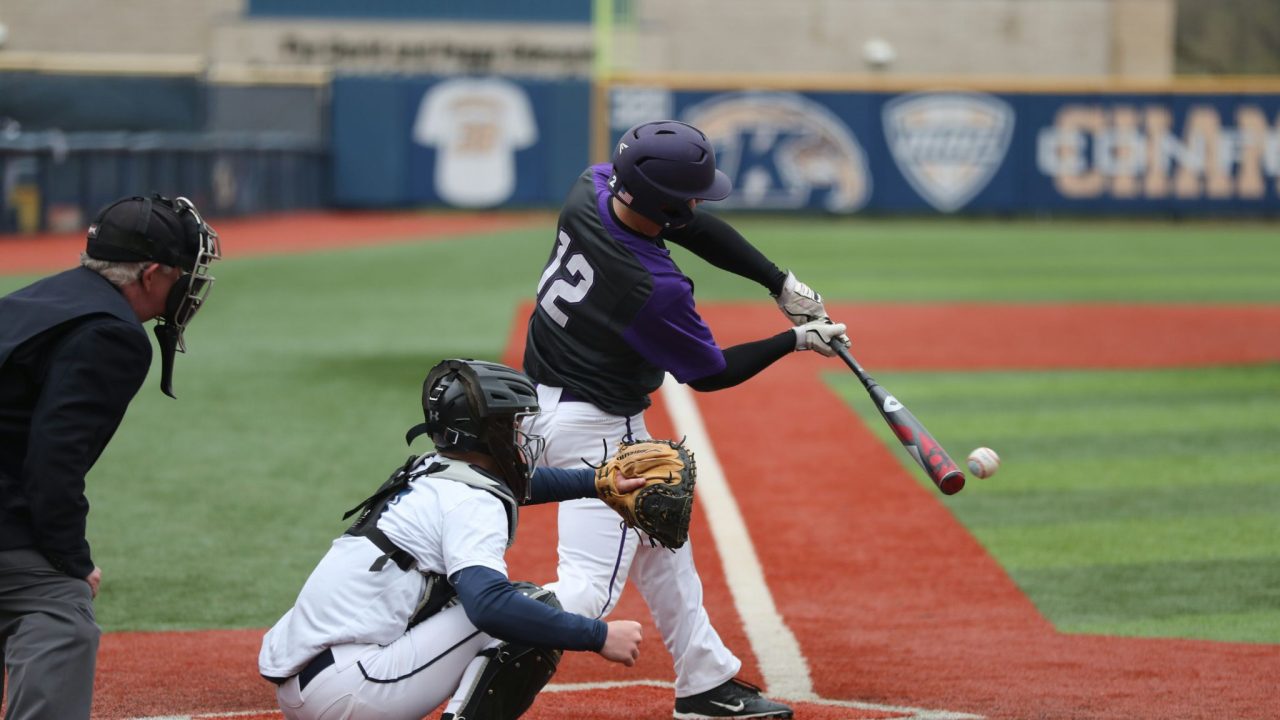
There’s something oddly comforting about baseball. Nine innings, three outs, clean lines across grass. It is tactile, it is something you can put in a box, almost that is, life can be put in a box score. But there is a fact below that symmetry: baseball is wildly unpredictable.
A pitcher can place a perfect throw, only for a soft hit to land between three gloves. A batter can fail seven times out of ten and still be elite. Slice it anyway; the game resists control. And still, fans, players, and analysts keep believing mastery is just one tweak away. And maybe that’s why the sport lasts.
Rituals, superstition, and the human need for order
If baseball could be controlled, rituals wouldn’t matter. Yet they’re everywhere, and not in a casual way. Even in outlets like BaseballAmerica, where the focus stays on mechanics and performance, the same illusion of control echoes beyond baseball, showing up in games of chance like blackjack, where players lean on routines and strategies to steady outcomes that never fully obey them. Before each pitch, Nomar Garciaparra would fix his batting gloves. Entire teams avoid stepping on foul lines, as if something might shift if they do.
These habits act as a psychological cure for uncertainty. When results can’t be locked in, people create patterns. A small sense of influence in a system that offers very little. Fans follow the same path. Lucky hats, frozen positions on the couch, silent bargains with chance.
The myth of precision
Baseball is often called a game of inches. True. But it’s really a game of fractions, milliseconds, spin rates, angles the eye can’t quite catch. Even the most advanced training methods, from batting cages to specialized workout equipment, don’t solve the core problem of unpredictability. It takes a fastball of 95 mph about 400 milliseconds to get to the plate. The decision maker has approximately 150 milliseconds. Even the finest hitters, such as Ted Williams, were successful only about 40 per cent.
Modern analytics, pushed into the spotlight by outlets like Baseball America, measure everything from launch angle to exit velocity. Teams chase tiny gains, a degree here, a fraction there. Still, results stay unpredictable.
Why do we keep believing
If baseball keeps exposing the limits of control, why does belief stick around? Stories themselves become a kind of cure, a way to turn randomness into something that feels intentional. People prefer stories to raw numbers. A slump becomes something to fix. A winning streak turns into momentum. These explanations give shape to outcomes that often don’t have clear causes. There’s something deeper here. Baseball reflects life in a way that feels uncomfortably familiar:
- Failure happens often and is expected
- Success comes in pieces, never fully
- Effort and results don’t always line up
Put it this way: a player can do everything right and still fail. That unsettles people. So the mind fills the gap with meaning, with a sense of control, even if it’s imagined.
The beauty of letting go
Maybe the lesson isn’t about gaining control at all. Baseball quietly shows acceptance. A ground ball takes a strange hop. A gust of wind changes a hit. Preparation doesn’t erase that. Still, players step into the box again. And again. Not for control, but in spite of its absence. There’s something freeing in that. Preparation matters, yet perfection stays out of reach. Randomness isn’t the enemy. It’s part of the structure.
Conclusion
Baseball’s central illusion isn’t that control exists. It’s that people feel they need it. The sport lasts not for certainty, but for honesty. It mirrors a condition where effort, chance, and outcome rarely align in neat ways. People measure, analyze, repeat habits, all to feel steadier. Still, the ball finds its own path. The field looks orderly. The rules stay clear. The result, though, always slips just a little beyond reach.
Buy Me A Coffee
The Havok Journal seeks to serve as a voice of the Veteran and First Responder communities through a focus on current affairs and articles of interest to the public in general, and the veteran community in particular. We strive to offer timely, current, and informative content, with the occasional piece focused on entertainment. We are continually expanding and striving to improve the readers’ experience.
© 2026 The Havok Journal
The Havok Journal welcomes re-posting of our original content as long as it is done in compliance with our Terms of Use.


