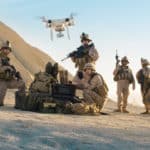
In any mission, readiness isn’t a slogan—it’s a system. Soldiers know this instinctively. Every weapon, vehicle, and ration has a place, a purpose, and a logbook. The same mindset, though rarely discussed, applies to another frontline entirely: the nation’s schools. Beneath lesson plans and morning assemblies lies a logistical war fought daily by administrators who manage facilities, budgets, equipment, and safety. The battlefield might not be muddy, but the demand for order, accountability, and discipline is every bit as real.
Modern education isn’t just about teaching ideas; it’s about managing assets—hundreds of interconnected parts that make learning possible. From security cameras to science lab equipment, from laptops to HVAC systems, each resource plays a tactical role in maintaining a secure, functional environment. When even one component fails, the consequences ripple through the system. The efficiency of an institution, much like a military unit, depends not just on talent but on structure.
That’s where school asset management software becomes more than a technical tool—it becomes a command center. The right system acts like a supply sergeant for the digital age, tracking inventory, scheduling maintenance, and ensuring nothing critical slips through the cracks. In schools, this translates to reduced downtime, fewer emergencies, and a clear record of accountability. What was once reactive—waiting for things to break—becomes proactive: a rhythm of inspection, repair, and improvement that mirrors the logistical discipline of a well-run base.
The Strategic Nature of Routine
In the armed forces, readiness is built on routines so precise they look effortless. A soldier’s gear is packed the same way every time for one reason: predictability saves lives. The same principle applies in a school’s operations. Predictability saves time, money, and sometimes safety itself. When custodians, IT personnel, and administrators know exactly where things are, how they function, and when they were last serviced, the institution moves as one coordinated unit.
But achieving that level of synchronization isn’t automatic. Many schools still rely on outdated spreadsheets, paper records, or ad-hoc reporting chains that crumble under pressure. When a power outage hits or a system fails during an exam week, chaos replaces order. The difference between smooth recovery and costly disruption often comes down to the systems in place long before the crisis.
Discipline in logistics is more than record-keeping—it’s a mindset. It’s about anticipating needs, not reacting to disasters. Schools that internalize this lesson find themselves better equipped not just for daily operations but for emergencies, audits, and long-term planning. In an era when budgets are tight and expectations high, that readiness becomes a quiet but decisive advantage.
Command and Control in Civilian Settings
Leadership in education is rarely described in tactical terms, yet the overlap with command structures is undeniable. A principal or superintendent, like an officer, must coordinate teams, allocate resources, and maintain morale under pressure. The supporting staff acts as the operational unit, translating directives into action. Without clear information flow, even the most capable leader is blind. That’s why many institutions are embracing data-driven command frameworks to replace intuition with intelligence.
School asset management software acts as a force multiplier in this environment. By consolidating equipment data, maintenance schedules, and usage trends, it enables administrators to make real-time decisions based on verifiable intelligence. It’s not just about cutting costs—it’s about operational awareness. When every resource can be accounted for, leaders regain control of their logistics, freeing mental bandwidth for strategy instead of constant firefighting.
The results speak for themselves. Facilities last longer. Equipment uptime increases. Staff response times improve. Most importantly, leadership gains a full picture of what’s working, what’s failing, and what needs reinforcement. That’s the essence of readiness—not perfection, but control over the chaos.
The Psychology of Order
Military veterans often talk about how discipline in logistics creates calm under stress. The same holds true for civilian institutions. When systems function predictably, people feel safer and more confident. Teachers can focus on teaching. Students can focus on learning. Staff can execute tasks without fear of hidden failures or surprise shortages. It’s not the technology alone that creates this calm; it’s the culture of precision it enforces.
Schools that model this discipline also send a subtle message to their students: order is not rigidity—it’s resilience. When young people see their environment maintained with care and accountability, they absorb lessons about responsibility that go far beyond textbooks. They learn that structure enables freedom, not the other way around. That lesson, once embedded, carries into every profession and walk of life.
Lessons from the Field
The military doesn’t achieve logistical excellence through luck. It’s built through systems that evolve, adapt, and refine themselves over time. After-action reports, maintenance logs, and inspection drills form a cycle of feedback and improvement. Schools can adopt the same ethos without the camouflage. Every malfunction logged, every asset repaired on time, and every audit passed adds to a culture of institutional pride and reliability.
The difference is that, in civilian settings, the mission is intellectual rather than tactical. But both missions demand readiness. A school that can account for its resources, forecast its needs, and act swiftly in a crisis demonstrates the same qualities that define an effective military unit: foresight, coordination, and accountability.
The Future of Readiness
Technology will continue to evolve, but principles don’t. The future belongs to institutions that understand readiness is not a one-time project—it’s a continuous practice. The most advanced systems still rely on disciplined humans to input data, analyze trends, and act on insights. That’s why the best technology implementations begin with culture, not code.
In the years ahead, schools and organizations that master their logistics will stand apart. Not because they’re wealthier, but because they’re smarter in how they use what they have. They’ll approach their daily operations with the same rigor soldiers apply to their missions: prepare, adapt, improve, repeat.
Ultimately, readiness isn’t glamorous. It’s not a headline or a ceremony. It’s the invisible backbone of every mission that succeeds—whether that mission unfolds on a battlefield or in a classroom.
Buy Me A Coffee
The Havok Journal seeks to serve as a voice of the Veteran and First Responder communities through a focus on current affairs and articles of interest to the public in general, and the veteran community in particular. We strive to offer timely, current, and informative content, with the occasional piece focused on entertainment. We are continually expanding and striving to improve the readers’ experience.
© 2026 The Havok Journal
The Havok Journal welcomes re-posting of our original content as long as it is done in compliance with our Terms of Use.