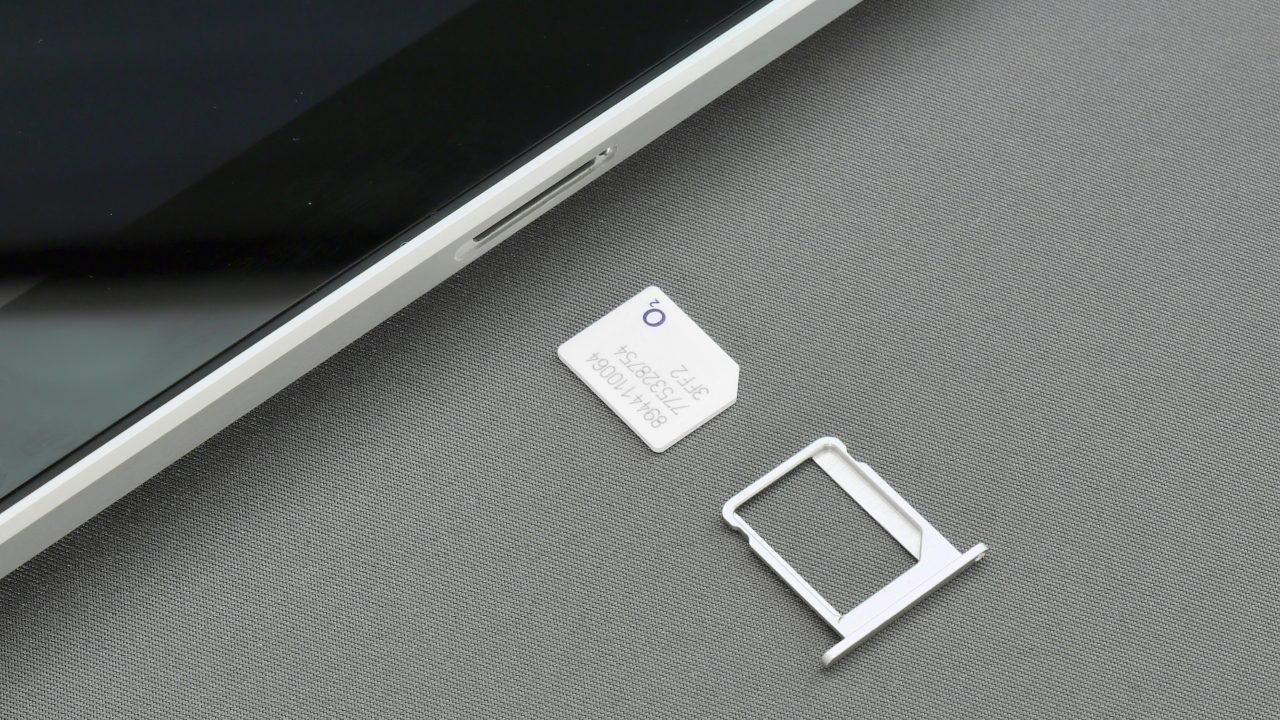
Photo by Brett Jordan on Unsplash
Picture this: you’re standing in the middle of Ho Chi Minh City’s bustling Ben Thanh Market, trying to figure out which street leads back to your hotel. Your phone shows no signal bars. Zero. That sinking feeling in your stomach? Yeah, that’s what happens when you’re not digitally prepared for Southeast Asia.
The truth is, staying connected while exploring countries like Vietnam, Thailand, or Indonesia isn’t just about posting Instagram stories anymore. It’s about survival in the modern sense. Maps, translation apps, ride-sharing services, mobile payments – they’ve all become pretty much essential for getting around comfortably.
The Reality of Connectivity in Southeast Asia
Here’s the thing about internet access across this region – it’s incredibly uneven. One minute you’re enjoying lightning-fast WiFi at a trendy coffee shop in Bangkok, the next you’re standing in rural Cambodia wondering if the internet even exists there.
Most travelers make the mistake of thinking hotel WiFi or random cafe connections will be enough. But anyone who’s actually tried this approach knows how frustrating it gets. Hotel WiFi often crawls at snail speed, and good luck finding reliable connections when you venture outside tourist zones.
The smart move? Getting your connectivity sorted before you even land.
Mobile Data: Your Lifeline
Mobile data becomes your best friend when you’re bouncing between countries. But the old-school method of buying local SIM cards at every airport gets tedious fast. You’re dealing with language barriers, inflated tourist prices, and the hassle of swapping cards constantly.
Modern travelers are switching to eSIMs instead. Take Vietnam, for example – an eSIM for Vietnam travel can be set up before you even board your plane. No more hunting for SIM card vendors or dealing with registration processes in Vietnamese.
The convenience factor alone makes it worth considering. You land, your phone connects automatically, and you’re immediately back in the digital world.
What Actually Matters for Digital Readiness
Beyond just having internet access, there are a few other things that separate digitally prepared travelers from those who struggle.
Battery life becomes critical when you’re using your phone for everything. Portable chargers aren’t optional – they’re mandatory. Southeast Asian cities are walkable but sprawling, and you’ll drain your battery faster than you think between navigation, photos, and staying connected.
App preparation makes a huge difference too. Download offline maps before you travel. Get translation apps that work without the internet. Research which ride-sharing apps work in each country you’re visiting.
Banking apps with international capabilities save you from ATM hunting. But test them before you travel – discovering your banking app doesn’t work overseas while you’re standing in a market trying to buy dinner is not fun.
The Local Digital Ecosystem
Each Southeast Asian country has its own digital preferences. Thailand loves LINE for messaging. Vietnam uses Grab for everything from rides to food delivery. Indonesia has its own payment systems that might surprise you.
Understanding these local preferences helps you blend in and function more efficiently. Locals aren’t necessarily using the same apps you use back home.
The payment situation deserves special attention. Cash is still king in many places, but digital payments are exploding in popularity. Having multiple payment options ready – cash, international cards, and local payment apps – keeps you covered in different situations.
Making It All Work Together
The goal isn’t to be glued to your phone while traveling. It’s about having reliable connectivity when you need it most. Whether that’s translating a menu, finding your way back to accommodation after a night out, or dealing with travel disruptions.
Getting your digital setup right before you travel means less stress and more time actually enjoying your Southeast Asian adventure. Because let’s be honest – there’s nothing quite like the confidence that comes from knowing you can handle whatever comes up, connectivity-wise.
Your phone becomes your translator, navigator, entertainment system, and lifeline all rolled into one. Make sure it’s ready for the job.
Buy Me A Coffee
The Havok Journal seeks to serve as a voice of the Veteran and First Responder communities through a focus on current affairs and articles of interest to the public in general, and the veteran community in particular. We strive to offer timely, current, and informative content, with the occasional piece focused on entertainment. We are continually expanding and striving to improve the readers’ experience.
© 2026 The Havok Journal
The Havok Journal welcomes re-posting of our original content as long as it is done in compliance with our Terms of Use.