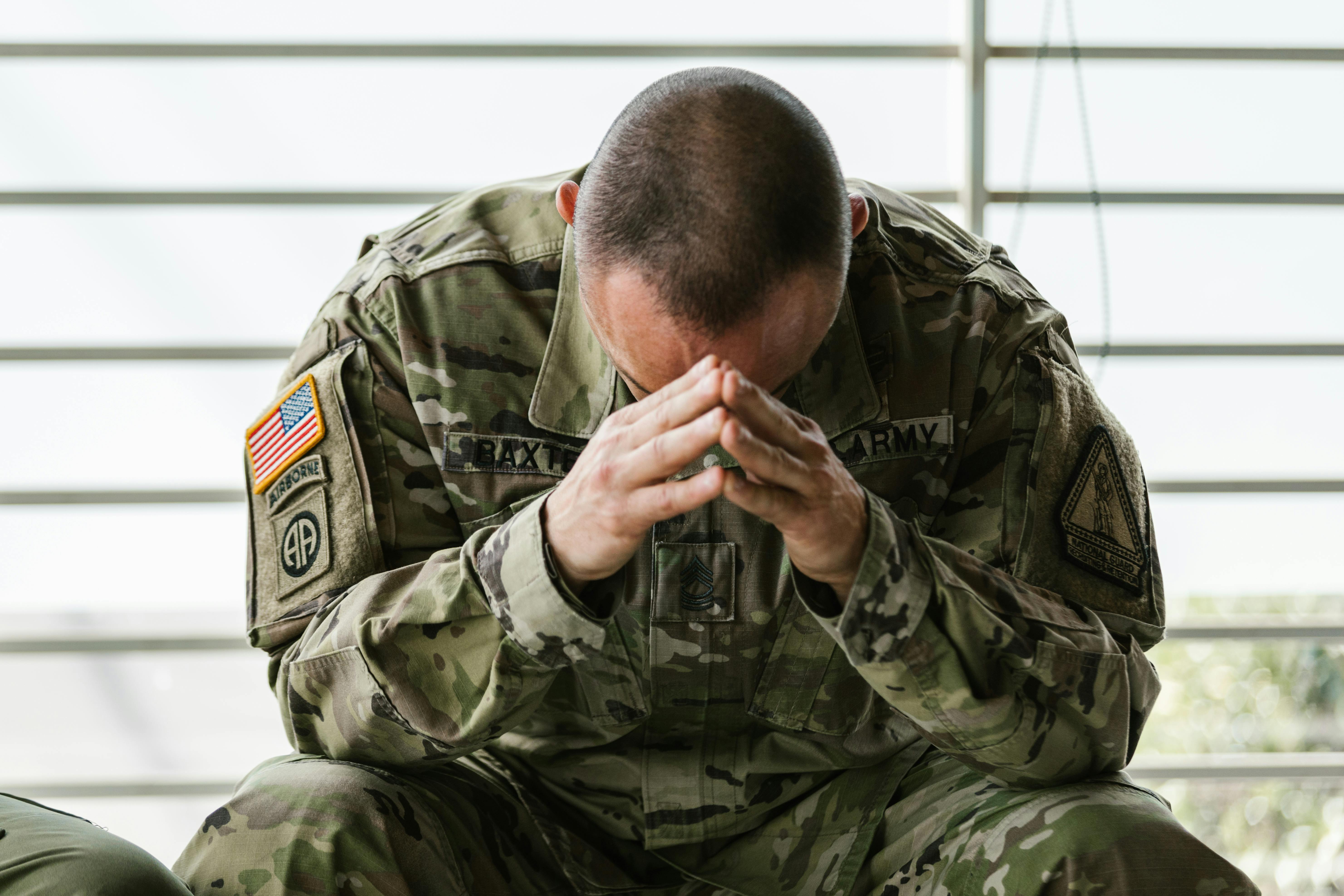
You don’t always realize when your mind has slipped into survival mode. The people around you are talking, laughing, living, but your brain is locked into something that happened years ago. You try to stay present, but the noise in your head doesn’t always cooperate.
Then one night, your friends invite you for a night of poker. You find yourself back at that same old table. Nothing big is happening. Someone pulls out a worn deck of KEM playing cards, and you shuffle them like you’ve done a hundred times before.
It’s not therapy, but there’s something oddly grounding about it. You’re not expected to talk. Just play. Just be. As stated by PokerChips.com, KEM playing cards are the premier plastic playing cards. Suddenly, your love for poker changes your thoughts. You are not focused on the trauma anymore.
It might seem like nothing, a habit, a distraction, a way to pass time. But these small, familiar acts can do more than keep you occupied. They create a rhythm. A soft structure in a world that sometimes feels chaotic. And for many people dealing with PTSD, that structure matters more than they realize.
In this article, we will look at how these small rituals can help cope with PTSD.
Why Familiarity Calms the Brain
When you live with PTSD, your nervous system can feel like it’s stuck in high alert. Even in safe environments, your brain scans for threats. The smallest sounds or changes in tone can trigger that familiar surge, heart racing, muscles tight, tunnel vision. It’s exhausting.
Small rituals, whether it’s setting up your gear the same way or playing a few rounds of cards, give your brain something predictable. And in a mind that often feels like a storm, predictability is powerful.
It’s not about control. It’s about safety. When your actions follow a familiar pattern, your brain doesn’t have to work as hard. That feeling of “I’ve done this before” sends a quiet signal: You’re okay. You’ve got this.
This is often referred to as the mere exposure effect. As a Psychology Today article states, when you are exposed to a certain thing over and over again, your chances of liking it increase. One explanation is that when you are exposed to something or someone familiar, it takes less mental effort to process things.
Can unfamiliar routines or activities help with PTSD, or do they cause more stress?
Unfamiliar routines can be helpful once a foundation of stability is established, but they often feel overwhelming for someone managing PTSD. New experiences require extra cognitive effort and may trigger hypervigilance. Gradual exposure to new routines, introduced through a familiar structure, tends to be more effective than abrupt changes.
What Makes a Ritual Work?
Not everything repetitive is helpful. Mindless scrolling or drinking every night might be routines, but they rarely lead to healing. A good ritual is different; it requires just enough focus to hold your attention, but not so much that it overwhelms you.
Think about what makes something feel comforting. Is it the sound? The motion? The company?
For instance, when playing cards, the shuffle and snap of each move might remind you of good moments. It can be time spent with your team, late nights in the barracks, and an unspoken connection. The cards aren’t magic. But the space they create is. That space, simple, quiet, no pressure, can help your mind breathe.
There are many such small things you can do to calm distressing thoughts. According to Healthline, you can rely on grounding techniques like:
- Breathing deeply
- Putting your hands in water
- Taking a walk
- Savoring a scent
- Moving your body
- Playing a memory game
- Reciting something, etc.
How do I know if a ritual is actually helping with my PTSD?
A helpful ritual usually reduces stress, improves focus, or adds stability without leading to emotional shutdown. If the ritual feels like a crutch you can’t function without or becomes compulsive, it may be worth exploring that in therapy. A supportive ritual enhances, not replaces, self-awareness.
You Don’t Have to Call It Healing
Sometimes the word “healing” feels too big. Too heavy. You might not feel ready for therapy. Or maybe you’ve tried and didn’t connect with the process. That’s okay.
While counseling and therapy can be extremely beneficial for most people, they may not be effective for everyone. As a TIME article notes, therapy is at its peak in the US.
Many professional athletes, celebrities, and politicians have come out to talk openly about their mental health struggles. A JAMA Network study has found that the use of mental health services has increased by 38.8% between 2019 and 2022. However, mental health challenges are still getting worse in the country.
Small rituals don’t ask for much. They’re not looking to fix you. They’re just there when you need something steady to hold onto. And over time, you may notice that you’re not snapping as quickly. You’re sleeping a little better. You’re reaching out to people without even thinking about it.
The change doesn’t come with a big announcement. It sneaks in between the daily actions you thought didn’t matter.
Is it okay to reject traditional therapy altogether if small rituals help me cope?
It’s understandable to prefer self-guided coping tools, especially when traditional therapy feels uncomfortable or ineffective. However, small rituals are often most helpful when combined with occasional guidance. Therapy doesn’t have to be ongoing; it can be used strategically, even just to check in or get a clearer path forward.
Finding Your Own Rituals
Many individuals face PTSD during their lifetimes, especially veterans, because of their line of duty. According to the US Department of Veterans Affairs, about 5% of US adults have PTSD in any given year. Moreover, around 6% of the total population is estimated to face it at least once in their lifetime.
All these individuals have different ways of coping with the trauma. You don’t have to copy what works for someone else. What matters is that your ritual fits you. Here are a few things to try:
- Keep it simple: You’re not looking to build a new identity, just a moment of peace.
- Make it accessible: Something you can do almost anywhere, without too many steps.
- Stick with it: Rituals gain power through repetition, even if they start small.
PTSD can make you feel like you’re just surviving. Like you’re stuck in a loop with no real sense of direction. But you’ve already built systems before, routines, drills, patterns that kept you going under pressure.
This is the same idea, just turned toward your healing.
You don’t need grand plans or breakthroughs every day. You just need something steady. Something that says, “You’re still here. And you’re still choosing to show up.”
Buy Me A Coffee
The Havok Journal seeks to serve as a voice of the Veteran and First Responder communities through a focus on current affairs and articles of interest to the public in general, and the veteran community in particular. We strive to offer timely, current, and informative content, with the occasional piece focused on entertainment. We are continually expanding and striving to improve the readers’ experience.
© 2026 The Havok Journal
The Havok Journal welcomes re-posting of our original content as long as it is done in compliance with our Terms of Use.