People often assume that Special Forces operators succeed because they possess extraordinary physical abilities or exceptional mental toughness. While both qualities certainly matter, they are only part of the picture. Behind every successful mission is a system built on discipline, preparation, and consistency. Elite units don’t rely on feeling motivated every morning. Instead, they develop habits that allow them to perform well regardless of circumstances.
That mindset isn’t reserved for military professionals. Many of the principles used in demanding environments can be adapted to everyday life, whether someone is running a business, studying for exams, raising a family, or pursuing personal goals. The routines may look different, but the underlying idea remains the same: consistent actions repeated over time usually produce better results than occasional bursts of motivation.
The encouraging part is that discipline doesn’t require perfection. It develops gradually through small decisions that become automatic with practice. Over time, those seemingly ordinary habits begin shaping how people approach challenges, setbacks, and long-term goals.
Preparation Always Comes Before Performance
One of the defining characteristics of elite military training is preparation. Equipment is checked repeatedly, backup plans are created, and every important task is rehearsed before it becomes necessary. The objective is simple: reduce uncertainty as much as possible before action is required.
This philosophy applies surprisingly well outside military settings. Preparing tomorrow’s schedule before going to bed, organizing a workspace, planning meals for the week, or laying out workout clothes the night before all reduce unnecessary decisions later. When fewer choices need to be made in the moment, it becomes much easier to stay focused on what actually matters.
The same approach benefits hobbies that reward patience and careful planning. Someone interested in tabletop miniature gaming, for example, might first explore guides such as how to start warhammer 40k before purchasing models, assembling an army, or learning painting techniques. Taking time to understand the basics beforehand often makes the entire experience more enjoyable while reducing costly mistakes later.
Preparation may not always feel productive because much of its value isn’t immediately visible. Yet it often determines whether execution feels smooth or unnecessarily difficult.
Small Wins Create Long-Term Discipline
Large goals can be motivating at first, but they can also become overwhelming if every step feels equally important. Special Forces training places significant emphasis on completing the next objective rather than becoming distracted by everything that still lies ahead.
That same principle works remarkably well in everyday life.
Instead of focusing on writing an entire book, completing one chapter feels manageable. Instead of worrying about losing significant weight, preparing today’s healthy meals becomes the priority. Rather than thinking about years of career advancement, finishing today’s important task creates immediate progress.
These smaller accomplishments generate momentum. Each completed task reinforces confidence and makes the next one slightly easier to begin.
Discipline rarely grows from dramatic transformations. More often, it develops through hundreds of successful small decisions made consistently over time.
Consistency Beats Motivation Every Time
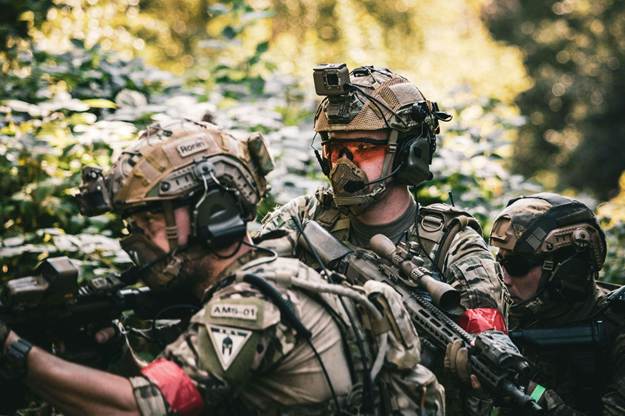
Motivation feels powerful, but it is also unpredictable. Some mornings people wake up energized and ready to work. Other days even simple responsibilities require significant effort.
Highly disciplined individuals understand that waiting for motivation creates inconsistency. Instead, they rely on routines that continue whether they feel inspired or not.
This doesn’t mean ignoring emotions entirely. It means reducing the number of daily negotiations that take place inside your own mind.
When exercising becomes something you simply do every morning, there is less energy wasted deciding whether today should be different. When reading becomes part of an evening routine, progress continues even during busy weeks.
Over time, habits replace willpower. The task begins requiring less mental effort because it becomes part of everyday life rather than something that constantly requires fresh motivation.
That shift is often where lasting discipline begins.
Recovery Is Part of the Mission
Many people mistakenly associate discipline with constantly pushing harder. In reality, sustained high performance depends just as much on recovery as it does on effort.
Elite performers understand that fatigue eventually reduces judgment, concentration, and physical performance. Sleep, proper nutrition, mobility work, hydration, and regular recovery periods are viewed as essential preparation rather than optional rewards.
This lesson applies equally to everyday life.
Working late every night, skipping meals, or sacrificing sleep may create the appearance of productivity for a short period, but those habits often reduce effectiveness over the long term. Burnout makes consistency far more difficult to maintain.
Recovery should not be viewed as laziness. Instead, it provides the physical and mental resources necessary to continue performing well tomorrow.
People who understand this balance often achieve more because they are able to sustain their routines for months and years rather than only a few weeks.
Discipline Is Built Into Everyday Standards
One noticeable characteristic of disciplined people is that they maintain high standards even during ordinary moments.
They put equipment away after using it. They organize their workspace before leaving. They arrive a few minutes early rather than exactly on time. They finish small responsibilities before they become larger problems.
None of these actions appear particularly impressive on their own. However, together they create an identity built around reliability.
Daily standards influence larger outcomes because they reduce disorder before it has an opportunity to grow. Small habits such as responding promptly, staying organized, or following through on commitments gradually become part of someone’s reputation.
Eventually, discipline becomes less about forcing yourself to behave differently and more about maintaining the standards you’ve already established.
Lasting Discipline Is the Result of Ordinary Habits
The greatest lesson people can borrow from Special Forces isn’t extraordinary toughness. It’s the understanding that exceptional performance is usually built on ordinary routines repeated consistently.
Preparing ahead of time, focusing on manageable goals, trusting routines instead of motivation, respecting recovery, and maintaining high daily standards are habits that anyone can develop. None of them require military training, expensive equipment, or unusual talent.
Real discipline isn’t created during one difficult day or one ambitious month. It develops quietly through countless ordinary decisions made when no one is watching. Those small actions eventually shape character, improve confidence, and make larger challenges easier to handle.
The strongest routines aren’t the ones that depend on perfect conditions. They’re the ones that continue through busy schedules, unexpected setbacks, and changing circumstances. That’s why discipline remains one of the most valuable skills anyone can build, it continues producing results long after motivation has disappeared.
Buy Me A Coffee
The Havok Journal seeks to serve as a voice of the Veteran and First Responder communities through a focus on current affairs and articles of interest to the public in general, and the veteran community in particular. We strive to offer timely, current, and informative content, with the occasional piece focused on entertainment. We are continually expanding and striving to improve the readers’ experience.
© 2026 The Havok Journal
The Havok Journal welcomes re-posting of our original content as long as it is done in compliance with our Terms of Use.