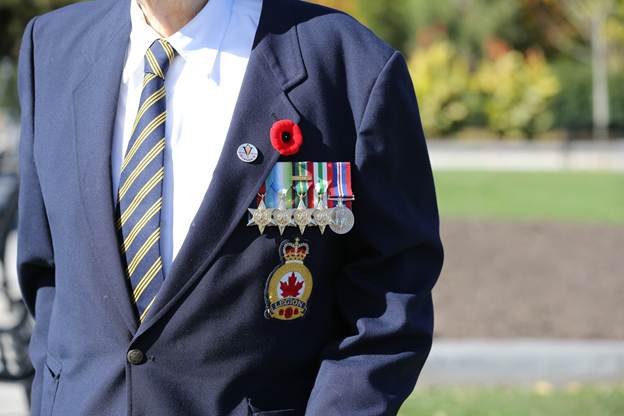
Transitioning out of military service brings changes that affect their lives. Many people face these adjustments quietly without recognizing the strain placed on their mental well-being.
Adapting to civilian life comes with a big change in how tactical readiness is defined. True readiness extends beyond physical fitness to include mental resilience. Cultivating a strong mindset supports long-term success during post-service life.
Image source: https://pixabay.com/photos/remembrance-day-in-canada-3542945/
Shifting the Mindset From Combat to Community
Service members leave active duty with skills that do not immediately align with standard office roles. You can look into a modern health podcast that explores how moving focus toward community leadership can rebuild a sense of purpose. Finding new missions within local neighborhoods maintains what the company left behind.
Veterans can find fresh avenues for service by mentoring youth or volunteering with local response teams. Reengaging with civic duties keeps the mind focused on external goals. Working with other mission-focused individuals mimics the squad dynamics of active duty. Strong peer connections deter the onset of isolation during the first 12 months after discharge.
Establishing New Rules of Engagement
Operating without a strict military framework can feel disorganized. Just as standard operating procedures guide a complex mission, clear personal guidelines can stabilize a daily schedule. Writers use strict guides to keep their communication sharp and focused. People can apply similar boundaries to their thoughts by eliminating negative self-talk.
Following structured resources can help people model successful behaviors from others who transitioned smoothly. Learning from successful patterns provides a clear map for daily routines. Daily patterns create stability when external structures disappear.
Mindfulness and Daily Micro-Habits
Stress responses that served a purpose during active duty can persist in civilian environments. Managing multiple responsibilities makes it hard to slow down the nervous system. Mindfulness practices and box breathing exercises offer immediate relief for trauma-related anxiety. Taking four seconds to inhale and four seconds to exhale can reset the body during sudden moments of panic.
Practicing small exercises twice a day builds long-term stability. Small habits do not require hours of free time to show real benefits. Consistency matters more than the total duration of the practice. Individuals can perform these exercises at a desk, in a vehicle, or before sleep.
Building Support Systems Through Shared Experiences
Isolation can sneak up quickly when service members move away from their units. Staying connected to people who understand the aspects of military culture discourages feelings of alienation. Data from a national post-traumatic stress organization showed that early intervention and peer support groups improve long-term recovery rates for combat veterans.
Talking to peers removes the burden of explaining military terms or experiences to civilians.
Gathering in small groups creates a safe zone to discuss ongoing challenges. Connections offer practical advice for navigating civilian jobs and family life. Sharing stories reduces the stigma surrounding mental healthcare within the veteran community.
Structured Training for Civilian Transitions
Preparation for civilian life should begin long before the final separation date. Formal education and career workshops can link military duties and civilian expectations. Resilience training programs assist transitioning service members dealing with operational stress. Structured programs provide tools to manage the psychological changes of retirement or career changes.
Participants learn to translate tactical skills into corporate language. Seeking help early turns a stressful process into an organized progression. Career placement programs may include counseling components to support personal well-being.
Recognizing the Signs of Operational Fatigue
Hypervigilance creates exhaustion back home. Constant alertness drains mental energy and strains personal relationships gradually. Recognizing when the mind is in combat mode is the first step toward recovery. Irritability, sleep disruption, and emotional numbness are the biggest indicators that a veteran needs extra support.
Families should pay attention to behavioral changes that the individual might miss. Open dialogue within the household builds an environment where seeking assistance is viewed as a strength. Professional guidance can provide targeted tools for managing these specific challenges. Specialized counselors understand the transition process deeply.
Actionable Strategies for Daily Mental Fitness
Developing a resilient mind involves concrete actions that can be measured and tracked. Setting clear goals guarantees that progress remains visible even during difficult weeks. Implement these three simple habits to improve mental focus:
- Schedule 15 minutes of quiet reflection each morning to set intentions
- Track physical exercise to keep the mind and body connected
- Connect with a battle buddy every week to maintain social ties
Focusing on these basic pillars creates a reliable foundation for personal growth. Regular practice builds momentum for days and weeks.
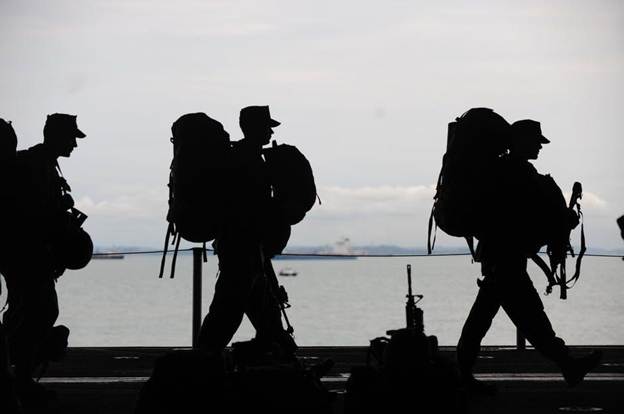
Mental resilience is a skill developed through deliberate practice. Veterans possess immense strength that can be redirected toward thriving in civilian communities. Taking control of mental fitness allows veterans to lead meaningful lives after service.
Every small step forward reinforces a path of growth and stability. The journey continues long after the uniform is put away. Maintaining psychological readiness aids the transition process to achieve a successful civilian life.
Buy Me A Coffee
The Havok Journal seeks to serve as a voice of the Veteran and First Responder communities through a focus on current affairs and articles of interest to the public in general, and the veteran community in particular. We strive to offer timely, current, and informative content, with the occasional piece focused on entertainment. We are continually expanding and striving to improve the readers’ experience.
© 2026 The Havok Journal
The Havok Journal welcomes re-posting of our original content as long as it is done in compliance with our Terms of Use.