In both residential and commercial environments, small design elements are playing a larger role in shaping how spaces are perceived and experienced. Rather than relying solely on large-scale renovations or structural changes, many property owners are focusing on subtle upgrades that improve visibility, identity, and overall atmosphere. These changes are often cost-effective, but their impact can be significant when thoughtfully integrated.
This approach reflects a broader shift toward intentional design. Instead of viewing spaces as static, people are increasingly treating them as adaptable environments that can evolve through carefully selected additions. From exterior features to visual displays, these details contribute to how a space communicates purpose and personality.
Exterior Features Help Define First Impressions
The exterior of a property often sets the tone for everything that follows. Whether it is a home, a storefront, or a public space, the initial impression is shaped by what people see before they enter. This makes exterior elements particularly important in defining identity and attracting attention.
Installations like a 15 ft flag pole offer a simple yet effective way to create a visual focal point. These structures add height and presence without overwhelming the surrounding environment, making them suitable for a wide range of settings. Their visibility helps establish a clear point of reference, especially in areas where distinction matters.
Visual Communication Is Becoming More Intentional
As competition for attention increases, visual communication is becoming more deliberate. Businesses and property owners are thinking more carefully about how they present information and how their spaces are perceived from different angles.
This includes the use of signage, color, and layout to guide attention and convey messages quickly. Clear, well-designed visuals not only improve recognition but also enhance the overall experience for visitors, making spaces easier to navigate and understand.
Printed Displays Still Play a Key Role
Despite the rise of digital communication, printed materials remain highly relevant in physical environments. Banners, signs, and large-format prints provide a tangible and immediate way to communicate with people in a space.
Services like Printmoz demonstrate how printed displays continue to be used for branding, promotion, and event visibility. These materials are often designed to integrate seamlessly into their surroundings, reinforcing messaging without disrupting the overall aesthetic.
Subtle Additions Can Transform Atmosphere
Not all impactful changes require large investments. Small additions, when chosen carefully, can significantly alter how a space feels. Elements such as lighting, textures, and vertical features contribute to the overall atmosphere without requiring major structural changes.
This approach allows for flexibility. Spaces can be updated or refreshed over time, adapting to different needs or seasons. The ability to make incremental improvements supports a more dynamic and responsive design process.
Functionality and Aesthetics Are Converging
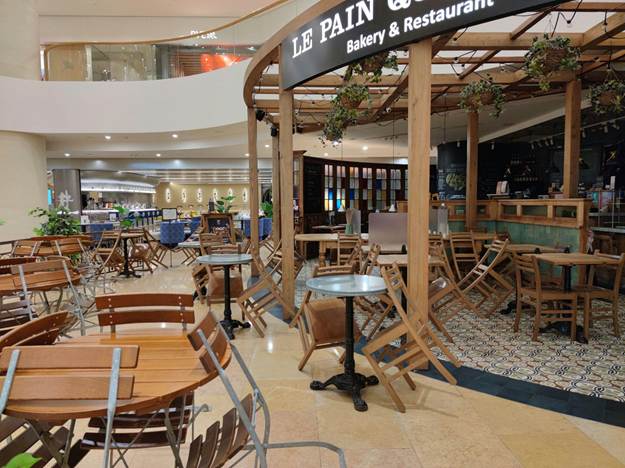
Modern design increasingly emphasizes the balance between functionality and aesthetics. Features are expected to serve a purpose while also contributing to the visual identity of a space. This convergence is shaping how products and installations are selected and used.
Instead of choosing between practical and decorative elements, property owners are looking for solutions that combine both. This creates environments that are not only efficient but also visually engaging.
Personal and Brand Identity Influence Design Choices
Spaces are often an extension of identity, whether personal or organizational. The choices made in design, layout, and decoration reflect values, preferences, and goals. This makes even small elements meaningful in the context of the overall environment.
From residential settings to commercial spaces, these decisions contribute to a sense of cohesion. When elements align with identity, they reinforce the message that the space is intentional and thoughtfully curated.
Safety and Standards Remain Essential
While design and aesthetics are important, safety and compliance continue to be critical considerations. Installations must meet established standards to ensure they are secure and appropriate for their environment.
Organizations such as the Occupational Safety and Health Administration (OSHA) provide guidelines that help maintain safety in both residential and commercial settings. These standards ensure that visual and structural additions do not compromise the well-being of those who interact with the space.
Adaptability Is Becoming a Priority
As needs change, spaces must be able to adapt. This has led to increased interest in flexible design solutions that can be modified without extensive effort. Portable, modular, and easily adjustable elements are becoming more common.
This adaptability allows spaces to remain relevant over time. Whether responding to seasonal changes, new uses, or evolving preferences, flexible design supports long-term functionality and value.
A Shift Toward Thoughtful Design
The growing focus on small visual details reflects a larger trend toward thoughtful and intentional design. Instead of relying on dramatic transformations, people are recognizing the value of incremental improvements that enhance both function and experience.
These changes may seem subtle individually, but together they create environments that feel cohesive, engaging, and purposeful. As this approach continues to gain traction, it is likely to influence how spaces are designed, updated, and experienced in the future.
Buy Me A Coffee
The Havok Journal seeks to serve as a voice of the Veteran and First Responder communities through a focus on current affairs and articles of interest to the public in general, and the veteran community in particular. We strive to offer timely, current, and informative content, with the occasional piece focused on entertainment. We are continually expanding and striving to improve the readers’ experience.
© 2026 The Havok Journal
The Havok Journal welcomes re-posting of our original content as long as it is done in compliance with our Terms of Use.