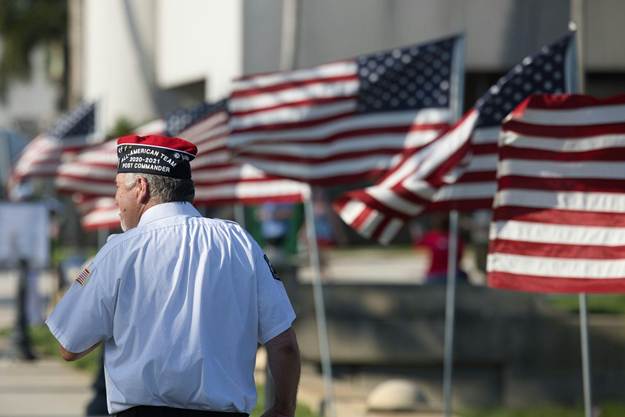
For many service members, leaving the military is one of the biggest life transitions they will ever experience. The change isn’t limited to finding civilian employment or moving to a new community. It also means adjusting to a completely different rhythm of daily life. After years of structured schedules, defined responsibilities, and a strong sense of purpose, the freedom of civilian life can initially feel unfamiliar rather than liberating.
The first year after military service is often a period of rebuilding. Veterans learn new routines, establish fresh goals, strengthen personal relationships, and gradually redefine what daily life looks like outside uniform. While every journey is unique, many experience similar challenges as they adapt to a world with far fewer predetermined expectations.
Building New Daily Routines Becomes Essential
Military life provides structure almost automatically. Wake-up times, physical training, work responsibilities, meals, and schedules are largely determined in advance. Civilian life requires creating that structure independently.
Many veterans discover that maintaining a consistent routine helps provide stability during the transition. Regular exercise, planned work hours, scheduled appointments, and dedicated personal time can replace some of the predictability that military service naturally provided.
As veterans establish permanent homes after years of relocations or deployments, creating comfortable living spaces often becomes part of building a new routine. While considering ways to make a home more welcoming throughout the year, some homeowners compare heating options through resources such as The Great Fire Company, exploring different approaches to creating warm gathering areas where family and friends can spend time together. Building consistent routines inside a comfortable home often helps reinforce the sense of stability many veterans seek during their first civilian year.
Identity Often Changes Alongside Career
Leaving military service frequently involves more than changing professions. Many veterans also experience a shift in personal identity after years of belonging to an organization built around teamwork, shared responsibility, and common purpose.
Finding new ways to contribute becomes an important part of the adjustment. Some pursue higher education, others launch businesses, volunteer within their communities, or begin entirely new careers. While these paths differ greatly, they often provide the renewed sense of direction that many veterans value during their first civilian years.
This transition rarely happens overnight. It develops gradually as confidence grows within new environments.
Relationships Require Time to Adjust
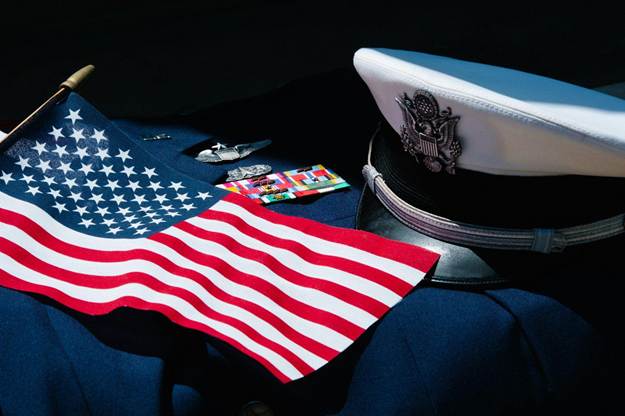
Photo by Wesley Tingey on Unsplash
Military service affects entire families, not just the individual serving. Returning to civilian life often changes household routines, responsibilities, and expectations for everyone involved.
Partners, children, relatives, and close friends may all need time to adjust to spending more time together after years of deployments, relocations, or demanding work schedules. Open communication and patience help ease this transition while allowing everyone to develop new routines that fit their changing circumstances.
Strong support networks frequently make the adjustment smoother, reminding veterans that rebuilding civilian life is rarely something they have to do alone.
Finding Purpose Beyond the Uniform
One of the biggest adjustments after military service is learning that purpose doesn’t disappear, it simply changes form. The skills developed through years of service remain valuable in civilian careers, community leadership, education, entrepreneurship, and family life.
Many veterans discover that mentoring others, pursuing long-postponed goals, or becoming active in local organizations provides the same sense of contribution they once found in military service. Rather than replacing their previous identity, these new experiences gradually become part of it.
Recognizing that purpose can evolve helps make the transition feel less like leaving something behind and more like beginning a new chapter.
Progress Happens One Step at a Time
The first civilian year doesn’t need to have every answer. Few veterans immediately know exactly where their next career will lead or what their long-term goals will become.
Instead, the adjustment often happens through small successes, completing training, starting a new job, reconnecting with family, building healthier routines, or simply becoming more comfortable with a different pace of life. Each milestone contributes to a growing sense of confidence and independence.
Military service leaves a lasting influence on discipline, resilience, and adaptability. Those qualities continue serving veterans long after they leave active duty. While the structure of military life may end, the values developed during service often provide a strong foundation for building a meaningful and rewarding future in civilian life.
Buy Me A Coffee
The Havok Journal seeks to serve as a voice of the Veteran and First Responder communities through a focus on current affairs and articles of interest to the public in general, and the veteran community in particular. We strive to offer timely, current, and informative content, with the occasional piece focused on entertainment. We are continually expanding and striving to improve the readers’ experience.
© 2026 The Havok Journal
The Havok Journal welcomes re-posting of our original content as long as it is done in compliance with our Terms of Use.


