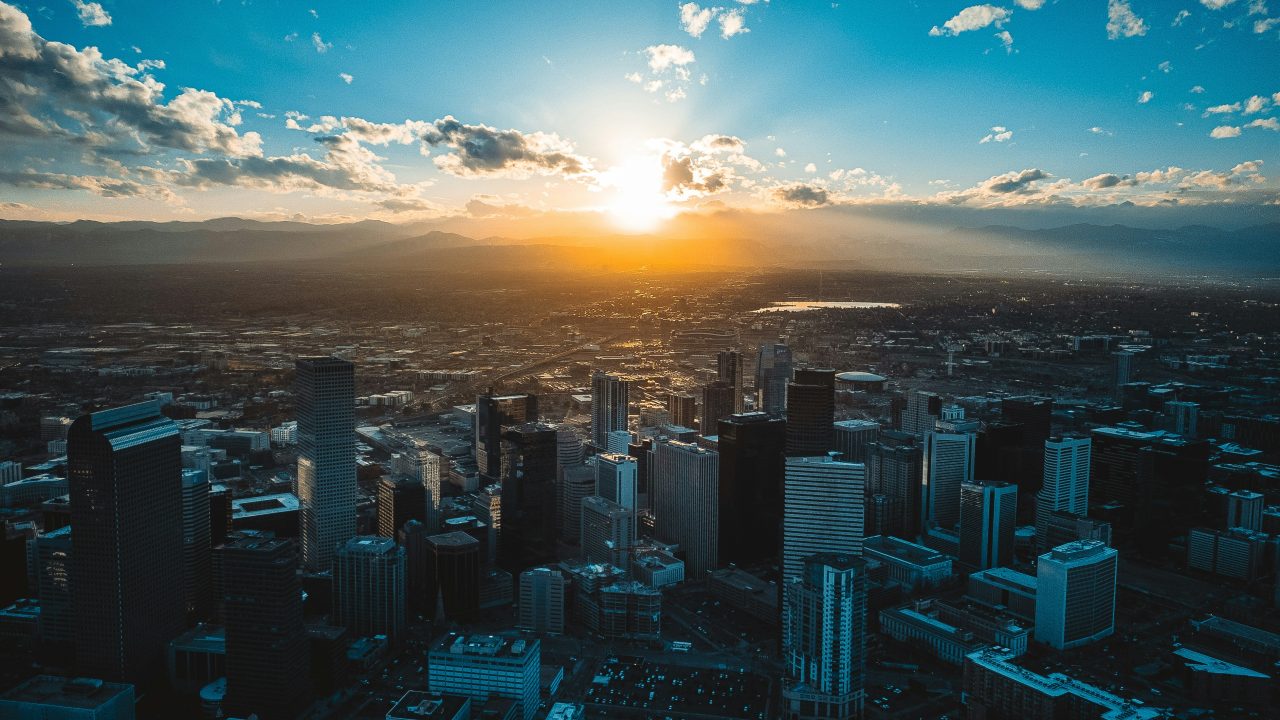
Photo by Nils Huenerfuerst on Unsplash
Denver sits exactly 5,280 feet above sea level, earning its famous nickname, the Mile High City. If you are relocating from a coastal or low-elevation region, the altitude and climate here will feel noticeably different from day one. Understanding what to expect before you arrive can make your transition much smoother and help you settle in with confidence.
Understanding Denver’s Altitude and Why It Matters
When researching moving to Denver, altitude concerns are a common concern for newcomers, who are surprised to learn how quickly the thin air affects the body. At this elevation, the air contains roughly 17 percent less oxygen than at sea level. This difference is enough to cause noticeable physical symptoms, especially during your first few weeks.
Common effects of adjusting to Denver’s high altitude include:
- Shortness of breath during light physical activity, like climbing stairs
- Headaches, particularly in the morning or after exertion
- Fatigue and disrupted sleep as your body works harder to circulate oxygen
- Increased dehydration because dry air causes faster moisture loss
- Reduced alcohol tolerance, since alcohol affects you more intensely at altitude
Most healthy adults acclimate within one to three weeks. During this period, drink significantly more water than you normally would, reduce strenuous exercise, avoid excessive alcohol intake, and get plenty of rest. If you have a pre-existing heart or lung condition, consult your doctor before your move.
What to Know About Denver Altitude and Sun Exposure
One thing many newcomers overlook in their Denver climate guide for newcomers research is the intensity of the sun. Because Denver is closer to the sun and has less atmosphere filtering UV rays, sunburn happens much faster than at sea level. This applies even on overcast days and during winter months.
Make sunscreen a daily habit regardless of the season. Wear UV-protective sunglasses and a hat when spending time outdoors. Skiers and hikers especially need to take UV protection seriously, as UV intensity increases roughly 10 percent for every 1,000 feet of elevation gain.
Denver’s Four-Season Climate
Following a solid Denver climate guide for newcomers means preparing for a wide range of weather conditions. Denver actually experiences all four seasons distinctly, which surprises many people who assume Colorado is cold year-round.
Spring is unpredictable. March and April can bring heavy snowstorms followed by warm, sunny afternoons within the same week. Layering is essential.
Summer brings warm to hot temperatures, usually in the 80s to low 90s Fahrenheit. Afternoon thunderstorms are common from June through August and can develop quickly. If you are hiking or outdoors, start early and plan to be off exposed terrain by early afternoon.
Fall is widely considered Denver’s best season. September and October deliver mild temperatures, clear skies, and stunning foliage in the nearby mountains. Snow can arrive as early as October, so keep an eye on forecasts.
Winter brings cold nights and occasional snowstorms, but Denver averages over 300 days of sunshine per year. Snow often melts within a day or two thanks to the abundant sun and dry air. Temperatures can swing dramatically, sometimes 40 degrees in a single day.
Mile High City Weather Tips for Daily Life
Practical Mile High City weather tips go beyond just checking the forecast. Here is how to prepare your daily routine for Denver’s unique conditions:
- Moisturize daily. The low humidity dries out skin, lips, and sinuses faster than most people expect. A humidifier at home helps significantly.
- Dress in layers. Morning temperatures can be 30 degrees cooler than the afternoon. Always carry a jacket.
A few additional habits will also make daily life more comfortable. Keep a reusable water bottle with you to stay hydrated, especially when you are active or spending time outdoors. Plan outdoor activities earlier in the day during summer to avoid afternoon thunderstorms, and always check mountain forecasts if you are heading into higher elevations.
When you are ready to relocate, working with an experienced Denver moving company can simplify the process, allowing you to focus on adapting to your new environment. By understanding Denver’s altitude, intense sun, and four-season climate, you will be well prepared to stay healthy, comfortable, and confident as you settle into life in the Mile High City.
Buy Me A Coffee
The Havok Journal seeks to serve as a voice of the Veteran and First Responder communities through a focus on current affairs and articles of interest to the public in general, and the veteran community in particular. We strive to offer timely, current, and informative content, with the occasional piece focused on entertainment. We are continually expanding and striving to improve the readers’ experience.
© 2026 The Havok Journal
The Havok Journal welcomes re-posting of our original content as long as it is done in compliance with our Terms of Use.