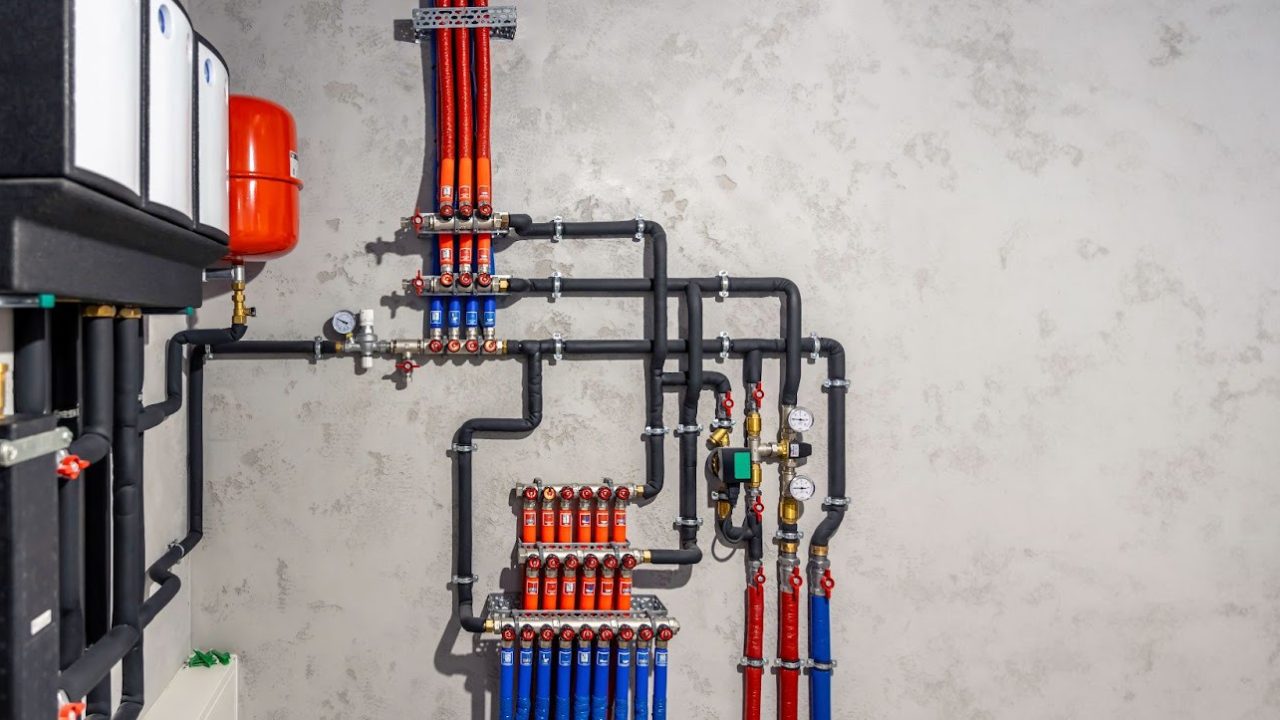
A plumber once told me that the most common call they get isn’t fancy remodel work, it’s panic. Water is coming from an unsuitable source. According to contractors who deal with HVAC, plumbing, and electrical repair, homeowners usually look for ways to schedule plumbing service only after the damage has started. According to specialists, burst pipes occur amid abrupt temperature variations in places like Palo Alto plumbing markets.
Immediate Emergency Steps
First rule: stop the water. The location of the main shutoff valve should be known by every household. Crawlspace, garage wall, basement, and occasionally by the water meter. Until it stops, turn it in a clockwise direction. Complete it quickly.
If water is getting close to outlets or appliances, then turn off the electricity. It’s a tiny action that averts a larger issue.
Grab towels. Buckets. Anything absorbent. Those first few minutes matter more than people think. A quick reaction can reduce hours of cleanup later.
This simple response forms the backbone of any emergency plumbing guide you’ll see from professionals.
Contain and Minimize Damage
Once the water supply is off, shift into containment mode. Rugs and furniture should be moved away from the leak. Water spreads swiftly under baseboards and along floors. Raising the borders will let air circulate below any carpets.
Open your windows if the weather allows. Ventilation slows the formation of mold, which can begin shockingly soon after a leak.
Remember the ceiling in case the upstairs pipe bursts. Water loves gravity. Place containers under bulging drywall to catch drips before the material gives way. Sometimes it feels chaotic. But slowing the spread of water is half the battle.
Call for Professional Help
It’s time to introduce the experts. Seldom do burst pipes repair themselves, and the damage isn’t always obvious. A certified plumber can identify the precise break, inspect other lines, and ensure that the issue doesn’t recur the following week.
Reliable plumbing services are important in this situation. Skilled specialists examine pressure levels, insulation, and susceptible areas of the system in addition to patching the pipe. Before doing any repairs, try to take pictures. Insurance companies often request documentation. And yes, it’s tempting to try fixing everything alone. But major leaks usually require proper tools and experience.
Temporary Repairs (Until Help Arrives)
Sometimes a plumber can’t get there immediately. That’s when temporary fixes help. A pipe clamp or rubber patch with a C-clamp can slow a leak dramatically. Even a piece of thick rubber and duct tape can buy time if wrapped tightly around the crack. These aren’t permanent solutions. Think of them as first aid.
Once the immediate flow is controlled, a professional will handle the real pipe repair and inspect nearby sections for hidden weaknesses. Short-term patches simply keep the situation from getting worse.
After the Emergency
When the pipe is fixed, the job isn’t over yet. Dry everything. Completely. Fans, open windows, dehumidifiers — whatever works. Moisture trapped inside walls or floors develops into a mold problem later, sometimes weeks after the incident.
This is also the moment to ask your plumber about the long-term pipe repair he did. Did pressure problems, corrosion, or freezing cause the break? One way to stop the next one is to understand the cause.
Following a significant leak, many homeowners arrange for a follow-up examination with plumbing professionals to examine the remainder of the system. It is a wise decision.
Prevention Tips for the Future
Burst pipes often give subtle warnings. Unusual banging sounds in the walls. Drops in water pressure. little wet areas next to baseboards. It is easy to ignore them until a problem arises.
Insulating exposed pipes, especially those in crawlspaces or garages, is one of the simplest preventive steps. In cold weather, letting faucets leak slightly could lower system pressure.
Periodic plumbing checks are also worthwhile if your house is older. Compared to flooded rooms, little fractures are far easier to fix. A small amount of planning goes a long way.
In Conclusion
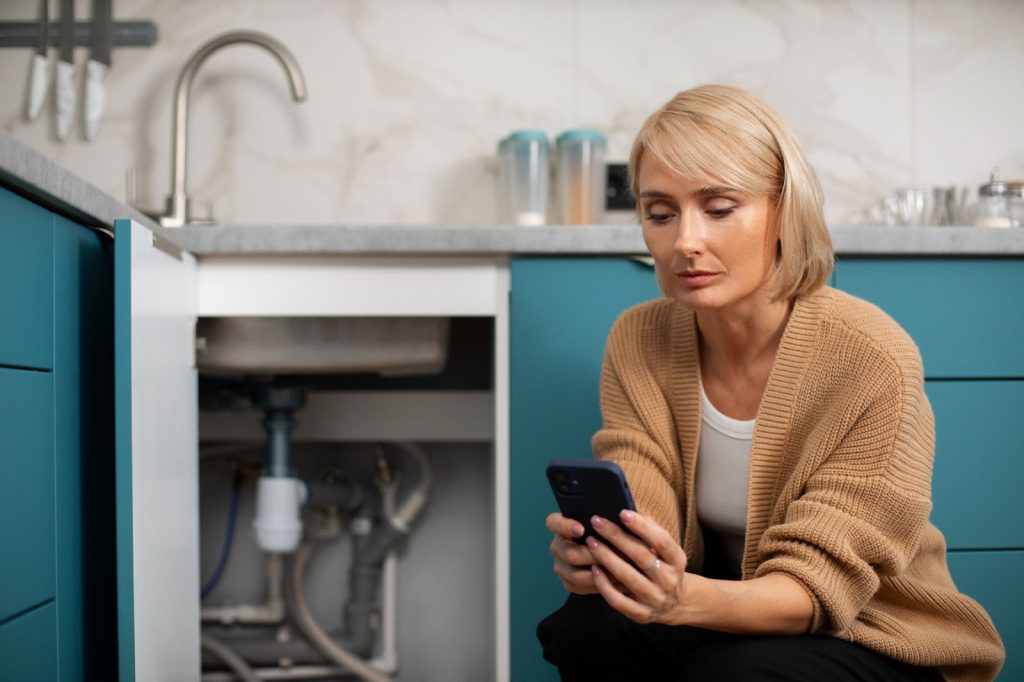
There is immediate mayhem, tremendous adrenaline, and a lack of direction when a pipe bursts. However, the solution is actually rather straightforward: turn off the water supply, restrict the damage, contact a professional, and maintain stability until assistance comes.
Discover the location of your shutdown valve this evening. Seriously. That one piece of knowledge can turn a plumbing disaster into a manageable inconvenience.
Buy Me A Coffee
The Havok Journal seeks to serve as a voice of the Veteran and First Responder communities through a focus on current affairs and articles of interest to the public in general, and the veteran community in particular. We strive to offer timely, current, and informative content, with the occasional piece focused on entertainment. We are continually expanding and striving to improve the readers’ experience.
© 2026 The Havok Journal
The Havok Journal welcomes re-posting of our original content as long as it is done in compliance with our Terms of Use.