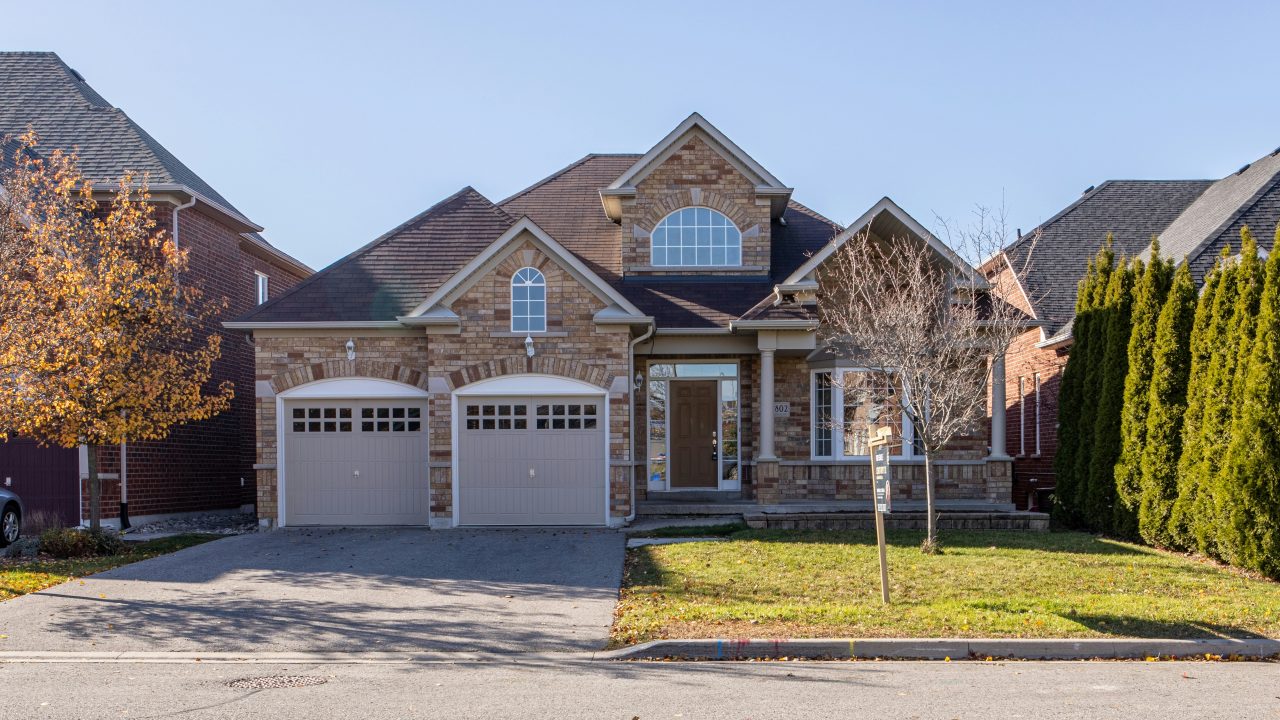
Photo by Dillon Kydd on Unsplash
Most people do not think about garage door safety until something bad happens. For example a door closes on a bike or a childs fingers get caught in a panel gap.. Maybe someone breaks in through an old opener. These are the moments when people wish they had paid attention to garage door safety. The good news is that new garage doors have safety features to prevent these situations. The bad news is that many families still have systems that do not have these features.
If you have kids or pets or if you just want to know that your home is secure it is an idea to learn about these safety features. You should know what they do. Which ones your door actually has. This is time well spent.
Why Garage Door Safety Deserves Attention
The garage door is the biggest moving object in most homes. It can weigh between 130 and 400 pounds depending on its size and material. It. Closes thousands of times over its lifetime. Each time it opens and closes it uses tension springs, cables and hardware that’re under a lot of stress.
Yet for families the garage is a casual entry point. Kids run in and out pets wander near the opening. The door gets triggered without much thought about who or what might be nearby. This combination of force and everyday foot traffic is why residential garage door safety features are so important.
Auto-Reverse Mechanisms: The Most Critical Safety Feature
If your garage door has only one safety feature it should be this one. Auto-reverse systems detect resistance when the door is closing. If the door contacts an object, a person or a pet it immediately reverses direction.
There are two types of auto-reverse systems working together in doors. The first is an auto-reverse that triggers when the door physically hits something with enough force. The second is a photo-eye sensor system. This system has two devices mounted near the floor on either side of the door opening. They project a beam across the gap. If anything breaks that beam while the door is closing it. Reverses instantly.
Federal law requires photo-eye sensors on all residential garage door openers made after 1993. However millions of systems still in use were made before this law. You can test your system in seconds. Place a roll of paper towels on the ground in the door’s path and trigger it to close. If the door does not reverse on contact the system needs attention away.
Smart Monitoring: Knowing What Your Door Is Doing
Garage door systems are not just a novelty anymore. They offer safety value for families.
A connected opener lets you monitor your door’s status from your phone in time. You can set alerts that notify you if the door has been left open for more than a period. This happens more often than people think. You can also close the door remotely which is useful not for convenience but also for security. For example you can close the door if you realize mid-commute that you forgot to close it.
Some systems log every close event with timestamps. This is useful if you have teenagers or want to track when kids arrive home from school. End smart openers also integrate with home security systems, cameras and voice assistants. This creates a complete picture of who is coming and going.
Manual Release and Backup Power
Power outages always seem to happen at the worst moment. If your garage door opener has no battery backup a blackout means you either cannot open the door all or you are fumbling for the manual release cord in the dark.
Most modern openers now include battery backup systems. These systems allow operation for a limited number of cycles during an outage. If your opener does not have this it is worth upgrading. This is especially true if the garage is your entry point.
The red manual release cord that hangs from the opener trolley is also worth knowing how to use. Pulling it disconnects the door from the motorized drive allowing you to operate it by hand. However many people do not know that this cord can be a security vulnerability. A burglar can sometimes snag the cord from outside. Disengage the opener. A simple cord shield or zip tie modification can block this without affecting emergency access from inside.
Pinch-Resistant Panels and Tamper-Resistant Hardware
Children and garage doors can be a combination, especially around panel sections. Standard door panels create pinch points at the hinges and between sections as the door moves. These are the areas where small fingers tend to go.
Pinch-resistant panel designs use a geometry that eliminates these gaps. The sections are engineered so that the space between panels compresses rather than creating a crushing point as the door moves. For families with children this is one of the most underrated upgrades available.
Tamper-resistant bottom brackets are another feature worth noting. The bottom bracket is the hardware that connects the door to the lifting cables. It is under extreme tension. Standard brackets can be. Removed with basic tools, which creates both a safety hazard and a potential security entry point. Tamper-resistant versions require tools to remove which discourages both tampering and forced entry attempts.
Opener Security Technology
Older garage door openers used fixed codes. A device called a code grabber could capture that signal. Replay it to open your door. This is not a theoretical threat; it has happened in real burglaries.
Rolling-code technology is now standard in quality openers. It generates an encrypted code with every use. Even if someone intercepts the signal it is useless for entry. If your opener was made before rolling-code technology, which’s generally anything made before the mid-1990s upgrading it is one of the most straightforward security improvements you can make.
For homes that need a level of access control, commercial-grade door solutions offer multi-factor authentication, audit trails and integration with broader access management systems. These features are increasingly available in applications for homeowners who want that level of oversight.
Regular Maintenance: The Safety Step People Skip
Safety features only work when the system they are part of is in good working order. A photo-eye sensor that is knocked out of alignment will not stop a closing door. A spring that has lost tension will strain the opener motor. Can fail unpredictably. Worn cables fray gradually. Then snap without warning.
A basic visual check every few months takes ten minutes and catches most developing problems before they become urgent. Look for cables rust on springs, loose hardware and uneven movement when the door operates. Listen for grinding, scraping or labored sounds that were not there before.
A year has the system been professionally inspected. If you are in Connecticut for example working with a trusted garage door service in Milford means getting eyes on the system from someone who knows the specific wear patterns local weather and humidity create. This is particularly relevant for wood doors and older spring systems in areas.
Households With Children and Pets: Practical Habits Matter
Hardware and technology only go so far. In homes with children a few consistent habits make a real difference.
Keep garage door remotes out of reach. They are not toys and children triggering doors accidentally is a documented cause of injuries. Teach kids early that the garage door is not something to play near or under. Mount the wall button enough that toddlers cannot reach it.
For pets, motion sensor lighting and audible door warnings give animals a cue to move before the door operates. Some smart openers allow you to set a delay before the door closes giving time to clear the area.
When It’s Time to Upgrade
A system is not automatically unsafe but there are clear signals that an upgrade makes sense. These include no photo-eye sensors, fixed-code opener technology, visible cable or spring wear doors that do not reverse reliably on contact or a system that has not been professionally serviced in more than five years.
Replacement does not always mean starting over. In cases upgrading just the opener to a modern unit with rolling-code technology, battery backup and smart connectivity addresses the most significant safety gaps without replacing the door itself.
The garage door is used more often than people think. Sometimes it is used a dozen times a day across a household. Treating it as a piece of home safety infrastructure rather than just background machinery is the right frame for making these decisions. Garage door safety features are important for every family. Garage door safety features can help prevent accidents and injuries. Garage door safety is crucial for households, with children and pets.
Buy Me A Coffee
The Havok Journal seeks to serve as a voice of the Veteran and First Responder communities through a focus on current affairs and articles of interest to the public in general, and the veteran community in particular. We strive to offer timely, current, and informative content, with the occasional piece focused on entertainment. We are continually expanding and striving to improve the readers’ experience.
© 2026 The Havok Journal
The Havok Journal welcomes re-posting of our original content as long as it is done in compliance with our Terms of Use.


