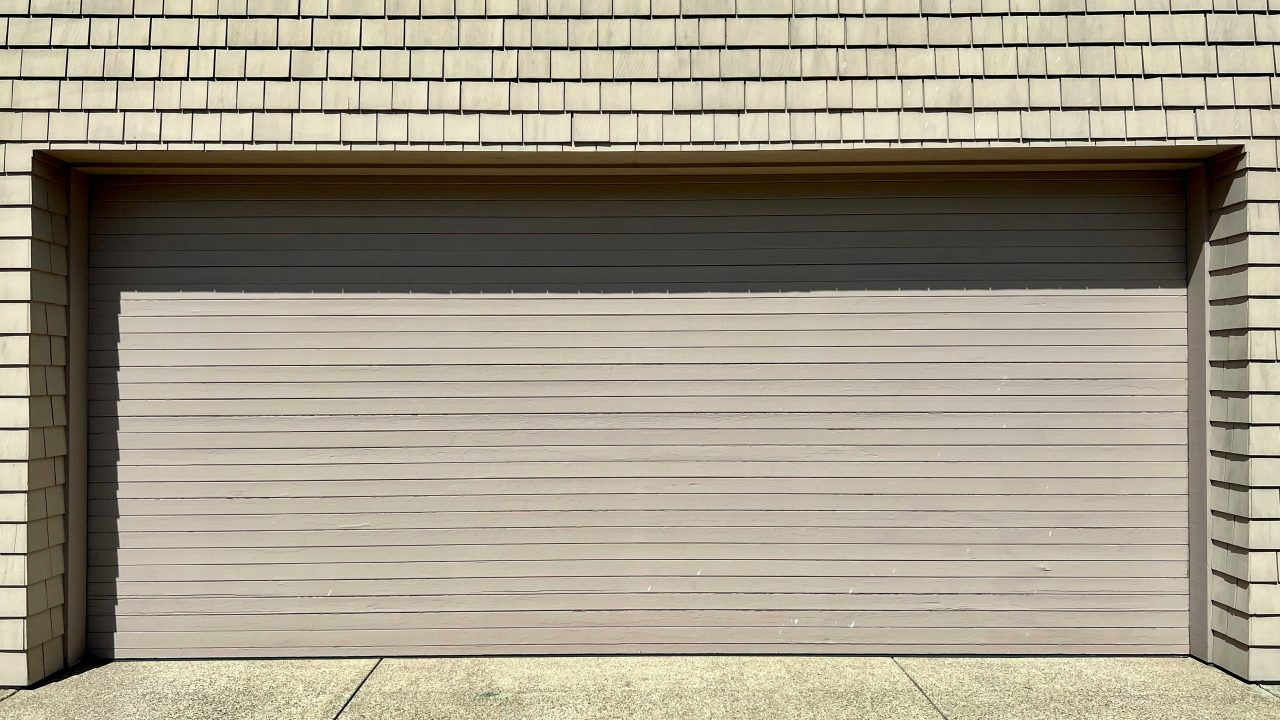
Photo by Dan Akuna on Unsplash
Your garage door is probably the moving part of your home and one of the most visible parts of your home. When you pull up to any neighborhood you will notice immediately how much a garage door shapes the look of a house. Most homeowners spend less time choosing a garage door than they do picking out kitchen faucets for their home.
That is a mistake worth avoiding. A garage door that fits your home in style, material and function adds real curb appeal to your home, improves energy efficiency and can even bump up your resale value. If you get it wrong you are stuck with something you will look at every day.
Here is a practical guide to making a decision you will actually be happy with.
Start With What Your Home Is Telling You
Before you browse catalogs or compare prices for a garage door look at your house. The architectural style of your home should be your filter when choosing a garage door.
A contemporary home with lines and flat rooflines will look sharp with a flush aluminum garage door or one with horizontal slats. A traditional colonial or craftsman home calls for carriage-style garage doors with raised panels and decorative hardware. Trying to pair a flush garage door with a brick ranch often ends up looking like a design accident.
This is not about being rigid; plenty of homeowners blend styles successfully.. Understanding where your home sits architecturally saves you from impulse decisions that look off once a garage door is installed.
Choosing the Right Material for Your Garage Door
Material is where most of the trade-offs live when it comes to a garage door. Each option has its strengths and the best choice depends on your climate, budget and how maintenance you are willing to do for your garage door.
Steel garage doors are by far the popular choice and for good reason. Steel garage doors are durable and relatively affordable. Come in dozens of styles and finishes. Modern steel garage doors can mimic the look of wood convincingly without the warping or rotting that comes with wood.
The downside of steel garage doors is that they dent. If you have got teenagers learning to drive or a busy driveway that is worth keeping in mind when choosing a garage door. Thicker gauge steel, such as 24 gauge or heavier resists dents than thinner options.
Wood garage doors are a story. There is nothing like a real wood garage door. The warmth and texture are hard to replicate. For certain home styles, such as craftsman bungalows, traditional colonial wood is the obvious fit for a garage door.
The maintenance commitment is real though. Wood needs to be painted or stained every years and in humid or rainy climates it can swell, warp or rot if not properly sealed. Custom wood garage doors also come at a premium price.
Aluminum garage doors are lightweight rust-resistant and a natural fit for architectural styles. They are also low maintenance. The trade-off is strength: aluminum dents and scratches easily than steel and it offers less insulation unless you opt for a thermally broken frame.
Fiberglass and composite garage doors occupy a middle ground. Fiberglass resists dents, rust and moisture making it a solid option for high-humidity climates. Composite wood or engineered wood products gives you the aesthetic of wood with better resistance to moisture and cracking. Neither is as common as steel garage doors. Both are worth considering if your situation calls for it.
Insulation: Important Than You Might Think for Your Garage Door
If your garage is attached to your home or if you use it as a workspace, gym or anything beyond just parking, insulation matters more than most people realize when it comes to a garage door.
An uninsulated garage door does nothing to moderate temperature. In climates that means your garage and the wall shared with your living space gets brutally cold in winter. In climates it turns into an oven by mid-afternoon.
Insulated garage doors are rated by R-value: the higher the number, the better the thermal resistance. A double-layer garage door with polystyrene insulation typically offers R-values around 6 to 9. A triple-layer garage door with polyurethane foam injected between steel panels can reach R-13 to R-18 or higher.
Beyond temperature insulated garage doors are noticeably quieter. That alone makes them worth the upgrade for attached garages.
Style and Curb Appeal of Your Garage Door
Garage doors come in four operating styles: raised panel, carriage house, contemporary and full-view. Each creates a different visual impression.
Raised panel garage doors are the American standard, a grid of rectangular sections, practical and clean. They suit any traditional home and are the most affordable option.
Carriage house garage doors are designed to look like the swing-out doors of carriage houses though they still operate as standard overhead garage doors. They add character and charm to craftsman and farmhouse-style homes.
Contemporary garage doors often feature panel, aluminum-framed or frosted or clear glass sections and they suit modern and mid-century architecture. They make a statement.
Full-view garage doors, glass and aluminum flood garages with natural light and look stunning on the right home. They are best suited to climates since they offer minimal insulation.
Color matters too when it comes to your garage door. Many manufacturers now offer factory-applied finishes and even faux wood grain textures. Matching or complementing your front door and trim color creates a pulled-together exterior that reads as intentional, not accidental. And if you are thinking beyond the garage, adding automated screen solutions for outdoor spaces like motorized patio enclosures or patio screens keeping a consistent aesthetic across all these elements makes your outdoor space look cohesive and well-planned..
Smart Technology for Your Garage Door
A garage door is also a security entry point. It deserves the same attention you would give to your front door.
Look for garage doors with solid construction and a reputable opener system. Reliable garage door systems include rolling-code technology that generates a new access code each time you use the remote, which prevents code theft and relay attacks.
Smart garage door openers have become increasingly practical. Most now connect to your home’s Wi-Fi. Let you monitor and control your garage door from your phone, receive alerts if the garage door is left open and even grant temporary access to delivery services or contractors. Some integrate with Google Home, Amazon Alexa or Apple HomeKit.
Climate Considerations for Your Garage Door
Geography shapes what makes sense for your garage door. This is worth thinking through
In northern climates prioritize high R-value insulation and make sure bottom weather seals and side seals are tight. Freeze-thaw cycles can damage lower-quality hardware over time.
In southern or desert climates insulation still matters, but focus on UV-resistant finishes if you want the color to hold. Aluminum garage doors can expand significantly in heat so check that hardware tolerates temperature swings.
In high-humidity areas rust resistance is critical. Stainless steel hardware, aluminum or fiberglass construction and marine-grade finishes all extend the life of a garage door compared to standard steel.
Maintenance and Long-Term Costs of Your Garage Door
The purchase price is one part of the equation. Think about what ongoing maintenance looks like for the garage door you are considering.
Steel garage doors painted with a factory finish generally need maintenance for years, just occasional cleaning. Wood requires repainting or restaining. Aluminum holds up well. May need a touch-up if it gets scratched or dented.
Springs and cables, not the garage door itself are usually the first things to fail. Torsion springs typically last 10,000 to 15,000 cycles. For households that is seven to twelve years. Factoring in the cost of a spring replacement, which’s around $150 to $300 into your long-term budget is realistic planning.
Budget: What to Actually Expect for Your Garage Door
A basic uninsulated steel garage door in a single-car size starts around $300 to $500. Add installation. You are typically looking at $700 to $1,200 for an entry-level setup.
Mid-range insulated steel garage doors in carriage-house or raised-panel styles with professional installation run $1,200 to $2,500. Custom wood garage doors, high-end aluminum or glass-heavy contemporary designs can push past $5,000.
Set your budget by the installed cost, not just the garage door price. Labor removing the garage door and any framing adjustments are all real costs that add up.
Making the Final Call on Your Garage Door
There is no best “garage door”, just the right one for your specific home, climate and budget. Steel garage doors work well for people. Wood is worth it if you love it and can maintain it. Insulation pays for itself in comfort.
Beyond the product itself, take the installation seriously. A great garage door installed poorly will underperform. Work with an installer to ask about warranty coverage and make sure the opener system is properly calibrated.
Your garage door will. Close thousands of times, over the next decade. It is worth taking an extra hour to choose it well.
Buy Me A Coffee
The Havok Journal seeks to serve as a voice of the Veteran and First Responder communities through a focus on current affairs and articles of interest to the public in general, and the veteran community in particular. We strive to offer timely, current, and informative content, with the occasional piece focused on entertainment. We are continually expanding and striving to improve the readers’ experience.
© 2026 The Havok Journal
The Havok Journal welcomes re-posting of our original content as long as it is done in compliance with our Terms of Use.


