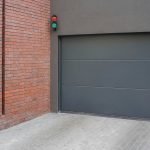
Photo by Andrew Leu on Unsplash.
Garage doors handle pressure daily from heat, rain, heavy movement, and salty air. Most homeowners ignore warning signs until loud grinding shakes an entire driveway before sunrise. That is when panic hits hard. Small issues spread fast through tracks, springs, rollers, and opener systems once damage starts multiplying. Property owners reacting early usually avoid massive repair bills and dangerous breakdowns. Many households searching for garage door repair in Jacksonville have already waited too long before taking action against problems that started small but grew aggressive over time.
1. Loud Noises Mean Trouble Is Growing
Garage systems should not sound like crashing machinery. Grinding, rattling, screeching, or popping noises often signal worn rollers, loose hardware, dry tracks, or failing springs. Most people ignore those sounds. Bad decision.
Tiny problems grow violently inside moving systems. Weak springs force opener motors into overdrive. Bent tracks throw rollers out of alignment. Loose bolts vibrate harder every day until movement becomes unstable. Routine inspections stop damage before parts begin destroying one another. Lubrication, hardware tightening, and roller replacements help systems move with less strain and far less noise.
2. Florida Weather Hits Hard
Heat punishes garage systems constantly. Afternoon temperatures expand metal parts, while cooler nights force contraction. That nonstop pressure slowly weakens hinges, brackets, and springs. Humidity makes things worse. Moisture settles across hardware and creates corrosion around tracks, cables, and rollers. Salt carried through coastal air speeds rust damage even faster. Wooden panels absorb moisture too, causing swelling and crooked movement.
Storms create another serious threat. Heavy wind shakes weak panels violently. Water enters through damaged bottom seals and spreads across the garage floors. Many homeowners searching for garage door replacement in Jacksonville spent years ignoring warped panels, unstable tracks, or severe corrosion before replacement became unavoidable.
3. Broken Springs Become Dangerous Fast
Garage springs carry massive tension every day. Those coils lift hundreds of pounds repeatedly until the metal weakens from strain. Once cracking begins, danger rises immediately. Some doors slam shut without warning. Others stop halfway and hang crooked during operation. Vehicles become trapped inside garages during workdays or storms.
Trying spring repairs without training creates serious injury risks. Snapping torsion springs strike with violent force capable of causing major harm. Professional technicians inspect the spring balance, cable condition, panel weight, and opener strain before repairs begin. Proper tension keeps movement controlled while reducing stress placed upon opener motors and tracks.
4. Sensor Problems Create Daily Frustration
Modern garage systems depend heavily upon safety sensors. Small alignment problems can stop entire systems from functioning correctly. Doors suddenly reverse. Lights blink repeatedly. Nothing closes fully.
Most homeowners assume opener motors failed when sensors are usually causing trouble instead. Dust blocks sensor lenses. Lawn equipment bumps the brackets sideways. Wiring damage interrupts communication between opener units and floor sensors. Ignoring sensor issues creates serious safety risks around children, pets, and vehicles. Proper inspections help restore safer operation while preventing additional electrical strain later.
5. Older Systems Drain Money Slowly
Aging garage systems rarely fail all at once. They quietly drain money month after month. Weak insulation allows heat inside attached garages, forcing cooling systems to work harder. Loose seals invite moisture, dirt, insects, and rainwater indoors. Older opener motors consume more electricity while producing louder movement during operation. Security problems grow, too. Weak panels and unstable tracks create easier access points around properties.
Modern systems improve insulation, reduce noise, strengthen security, and handle rough weather with greater stability. Property owners upgrading damaged systems often notice calmer operation and lower strain almost immediately.
Garage systems deal with nonstop pressure from weather, movement, moisture, and heavy daily use. Ignoring grinding sounds, crooked movement, or unstable operation usually leads to expensive repairs and dangerous failures later. Early inspections help protect opener motors, tracks, springs, vehicles, and nearby storage spaces from larger damage. Smart maintenance keeps movement safer, quieter, and more controlled throughout every season.
Action Garage Door Services of Florida handles damaged springs, loud openers, unstable tracks, failing sensors, and worn panels before problems spread further. Property owners needing service or inspections may call 904-564-1200 today for support from trained technicians.
FAQs
1. Why does a garage door shake during movement?
Shaking often points toward loose hardware, bent tracks, worn rollers, or uneven spring tension, causing unstable movement during operation.
2. Why do many homeowners in Jacksonville replace older garage systems after storms?
Jacksonville weather brings heavy rain, humidity, heat, and strong winds that slowly weaken panels, tracks, seals, and moving hardware over time.
Buy Me A Coffee
The Havok Journal seeks to serve as a voice of the Veteran and First Responder communities through a focus on current affairs and articles of interest to the public in general, and the veteran community in particular. We strive to offer timely, current, and informative content, with the occasional piece focused on entertainment. We are continually expanding and striving to improve the readers’ experience.
© 2026 The Havok Journal
The Havok Journal welcomes re-posting of our original content as long as it is done in compliance with our Terms of Use.