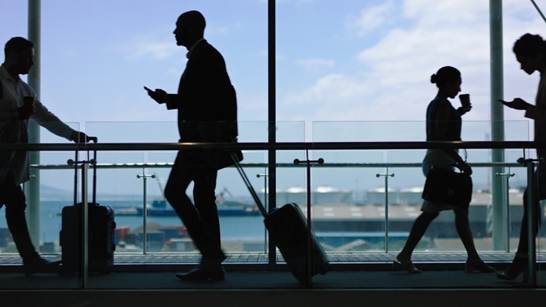
When planning a trip, we rarely think about who will eventually have access to our phone number. A hotel booking platform asks for it, followed by a taxi app, a car rental service, or a local delivery platform. None of these requests seems unusual on its own, but together they can leave your number stored across dozens of different databases.
Problems often appear after returning home: advertising emails and messages, calls from unknown numbers, or attempts by fraudsters to misuse the collected data. One of the easiest ways to reduce such risks is to use a virtual phone number by GetTempNumber when registering for travel services and managing short-term bookings, saving the primary number only for really important contacts.
How Your Phone Number Spreads During Travel — and Why It Matters
During the trip, many decisions are made spontaneously. Today you book accommodation on one platform; tomorrow you download a local taxi app, and in the evening you register with a delivery service because you don’t want to look for a restaurant after a long journey. Add car rentals, excursion ticket purchases, or participation in loyalty programs, and in just a few days the list of accounts you have created becomes unexpectedly long.
Most of them will no longer be useful after returning home, but few people remember deleting a profile or unlinking a phone number. As a result, your personal contact information continues to be stored in systems that you have not used for a long time. The more such forgotten registrations there are, the more difficult it is to control exactly where your data is located and who can use it for mailing campaigns or other purposes.
How a Virtual Number Helps Maintain Privacy
A virtual or temporary number gives the traveler more freedom in how they interact with temporary services. For example, you can safely use it to register in applications, communicate with property owners or hosts, or confirm orders, without mixing these contacts with personal communications.
This separation is very handy when traveling especially when you often need to quickly connect to new platforms and communicate with unfamiliar companies. Work notifications, personal messages, and travel services are no longer in the same stream, so important calls are easier to recognize, and unnecessary contacts are easier to eliminate.
Another advantage is the control after the end of the trip. A temporary number does not require a long-term link to your daily life: if you no longer need it, you can leave it behind once the trip is over without changing the main communication method.
Simple Habits That Improve Digital Security While Traveling
Digital travel security does not require complex solutions — most often it is built from a few simple habits. One of the most useful is to determine in advance which services really should have access to your main number, and which ones can be kept separate.
For travel applications, temporary registrations, and services that you only use during your trip, it’s better to use a virtual number. At the same time, the main contact should be saved for banks, communication with loved ones, and signing into important accounts where the number is used for two-factor authentication (2FA). This separation helps avoid a situation where one random advertising call or suspicious message becomes part of your permanent digital footprint.
Before traveling, it is also useful to pay attention to the apps themselves. Many services ask for more permissions than they really need: access to contacts, location, or other data. A quick check of the settings allows you to understand what information you are sharing and why.
After returning home, you should not leave dozens of temporary accounts unattended. If you no longer plan to use a particular service, deleting your profile or disabling notifications will help reduce the number of digital traces that remain after your trip.
Another simple measure is to be more careful about sharing your information in public sources. Local ads, travel groups, and public chats may seem safe, but a private number there can quickly become accessible to a large number of people. The less it is shared beyond the necessary contacts, the easier it is to maintain control over your digital privacy.
Conclusion
Before traveling, people usually check their passports, tickets, bank cards, and phone chargers. But they less often think about where and to whom they leave their number. Although it often becomes the link between dozens of services they use away from home.
Using a virtual number does not require changing your habits or abandoning convenient apps. It is simply a way to separate temporary situations from personal life: one contact remains for important people and services, while the other helps you safely use travel platforms, booking services, and local apps.
Such a small habit can greatly simplify your life after traveling. Fewer unnecessary messages, fewer casual contacts, and a better understanding of where your data is stored. In modern travel, protecting personal information is becoming as much a part of preparation as choosing a route or booking accommodation.
Buy Me A Coffee
The Havok Journal seeks to serve as a voice of the Veteran and First Responder communities through a focus on current affairs and articles of interest to the public in general, and the veteran community in particular. We strive to offer timely, current, and informative content, with the occasional piece focused on entertainment. We are continually expanding and striving to improve the readers’ experience.
© 2026 The Havok Journal
The Havok Journal welcomes re-posting of our original content as long as it is done in compliance with our Terms of Use.