By Dr. Wylie Brace and Samantha D. Glidewell
This article is the first installment in a three-part series adapted from qualitative research on veterans’ responses to the 2021 U.S. withdrawal from Afghanistan. The full manuscript, including methods, references, and broader clinical discussion, is available on OSF through a DOI-linked version here. Direct quotes are from anonymous study participants.
On August 30, 2021, the final U.S. military aircraft left Afghanistan. For much of the country, the withdrawal became a headline, then a political argument, and then something that drifted into the background. For many veterans, it did not drift anywhere. The withdrawal remained psychologically active. It resurfaced in grief over friends killed in war, in anger over the way the war ended, and in the painful question of whether years of service, injury, and loss had been rendered meaningless in a matter of days.
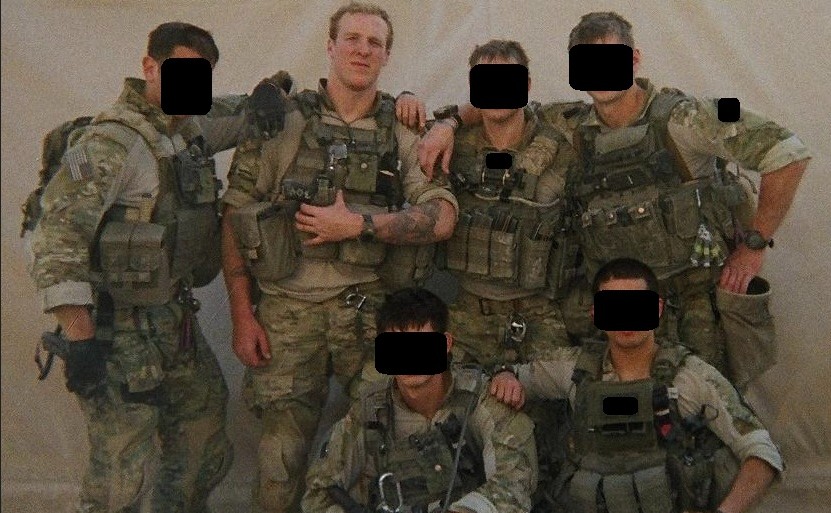
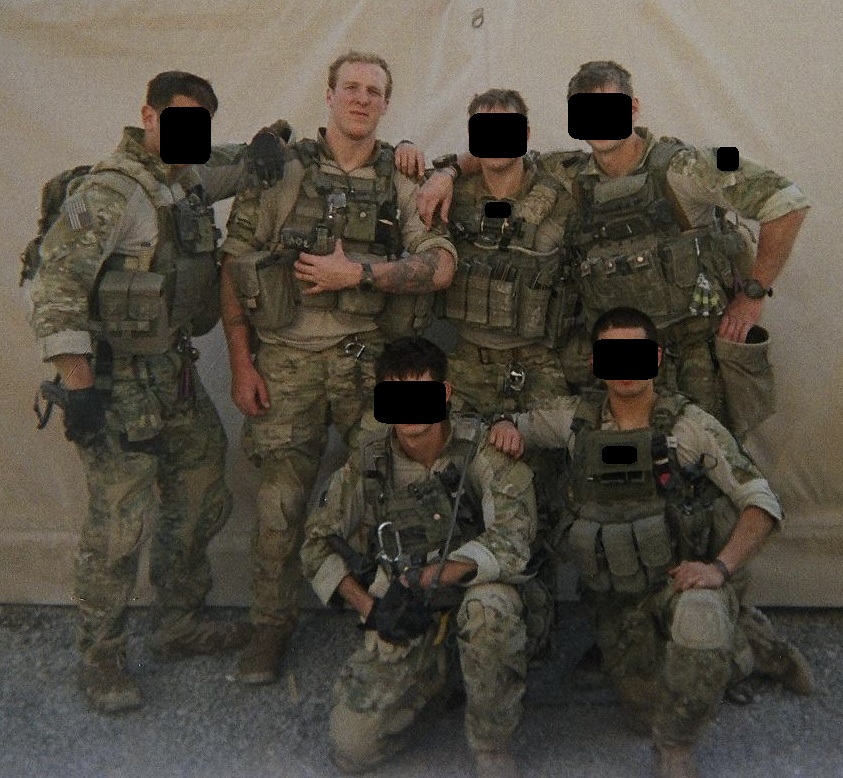
Having served with the 3rd Ranger Battalion, 75th Ranger Regiment, and deployed six times to the Middle East, five of which were to Afghanistan, I, the first author, Wylie Brace, experience the concerns surrounding the pullout and its effects on veterans as a harsh reality that I live and observe nearly every day. Almost five years after the pullout, fellow veterans I remain in contact with still echo the anger, sadness, and resentment they felt toward the withdrawal and the way it was conducted, as if it had happened yesterday. These emotions surface most strongly during crisis calls, often exacerbating the immediate reason for the call, whether it is grief over comrades lost in war, notification of friends who have recently died by suicide, or coping with injuries sustained during service. A recurring theme in these conversations is directly tied to the Afghanistan withdrawal.
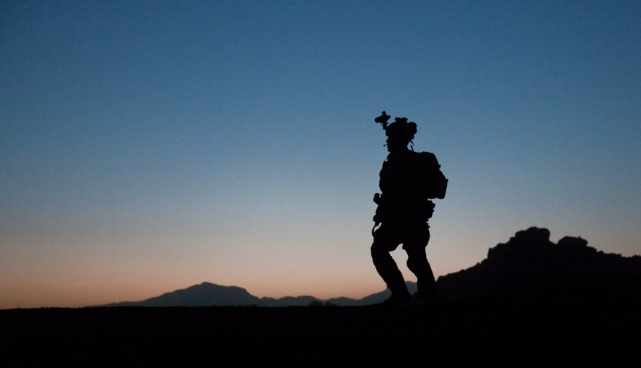
With that in mind, this series comes from a qualitative study conducted in response to the many late-night phone calls I received from fellow veterans, along with my own curiosity about how other veterans felt after the withdrawal. The study included 30 respondents: 24 veterans, active-duty service members, or reservists, and six civilians. Some of you may have even participated in this research nearly three years ago, and the research team and I want to thank you for your responses and insights into the Afghanistan pullout.
Participants were asked to describe their thoughts and feelings about the Afghanistan withdrawal, the response from government and media, the sacrifices made during the war, their thoughts on the Afghan military units we trained, Afghanistan as a whole, and what the war’s outcome meant to them. The goal was not to score a political point. The goal was to listen closely to what veterans said when they were given room to speak in their own words, whether through a letter, an open-response narrative, or open-ended questions.
One of the most noteworthy parts of these responses is the gap between the withdrawal and the study. The survey took place in the summer of 2023, a little over two years after the withdrawal, yet the responses show how salient the event remained for many current and former service members. Several themes emerged from these responses. The first was personal loss and grief. That grief was not limited to battlefield memories or combat experiences. It was grief reactivated by the end of the war. For some participants, the fall of Kabul changed the meaning of what they had already carried for years.
“I lost 2 buddies KIA and a few suicides since getting home on October 2012, I thought while we were there that we served little to no purpose. On that day in August 2021, I knew my brother’s died for nothing, and that the anguish others felt that led to suicide was beyond unnecessary. […] All in all, the fall of Kabul mixed with where I lived at the time broke me mentally. Even more so than watching a brother being carried out in 4 body bags because they couldn’t tell what parts were him, he was almost declared MIA instead of KIA.”
That response is difficult to read, as it should be. It captures something that standard public conversation about the withdrawal often misses: for some veterans, the event did not simply represent a policy failure or a bad evacuation. The withdrawal reached backward into every loss that had come before it and reopened memories of the dead, the wounded, and the people who came home but did not survive the years after war. For many veterans, the pullout and the fall of Kabul felt like a surreal fever dream. We had sacrificed so much, and in those moments, it felt like it had all been for naught.
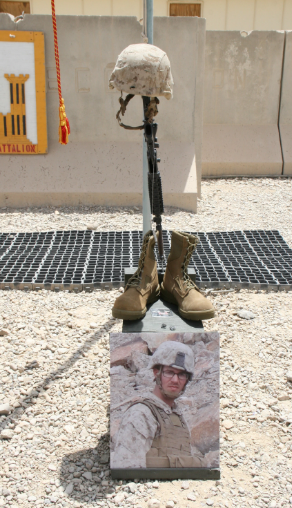
Importantly, participants were not asked about suicide in the study, yet suicide came up on its own. Veterans connected the withdrawal to friends who had died by suicide, to the anguish of families, and to the question of whether that suffering had been for nothing. That does not mean the withdrawal caused those deaths. But some veterans pointed to the pullout as something that exacerbated an ongoing mental health crisis, like salt in an open wound. In other words, the withdrawal became part of how some veterans interpreted and carried their losses.
One participant described the withdrawal as an insult to the dead and their families:
“Throwing away the national sacrifice we made over the last 20 years is a slap in the face of everyone who served there, and every family who had someone who didn’t come back.”
Another active-duty participant put it this way:
“I feel betrayed some days, sad on others, but mostly angry when I think about it. I find myself wondering what kind of fathers or husbands my friends who died young would have become… what my friends’ families would have been like if they still had their dads and husbands around.”
That statement reads like mourning. The participant is not only thinking about the war in the abstract. He is thinking about the people who never got older, the families that never formed, and the lives that ended before they had a chance to become something else. These responses show grief operating on several levels at once. There is personal grief, grief for friends, grief for families who lost someone, and grief for a mission that ended differently than veterans had been told it would. Underneath all of it is grief over meaning itself.
Grief also appeared to arise from strong feelings of guilt, especially toward Afghan partners. One participant asked the kind of question many veterans know cannot be answered cleanly:
“I’m devastated. What do we tell the families who lost loved ones and sacrificed there? How could we leave all the local nationals who supported us with no plan to get them out. We didn’t keep our promises.”
For some veterans, grief also came from guilt and a deep feeling of abandonment toward our Afghan counterparts. Leaving them behind felt personal. It was viewed not only as a national failure but as an individual embarrassment and a character wound, the sense that we had broken our word to people who trusted us and left many of them for dead.
That grief arising from guilt was evident in many veterans’ responses. As another respondent indicated:
“My son is an Air Force helo pilot and was deployed to Kabul during the pullout. I felt incredibly guilty that I failed in the war to prevent my own son from being there.”
What is most troubling is that this guilt appears to sit at the level of character. In reality, that guilt is not warranted. The veterans who expressed these feelings also made clear that they would have handled the withdrawal differently if they had been in a position to do so. Yet decisions they had no role in planning or carrying out still weighed on them personally.
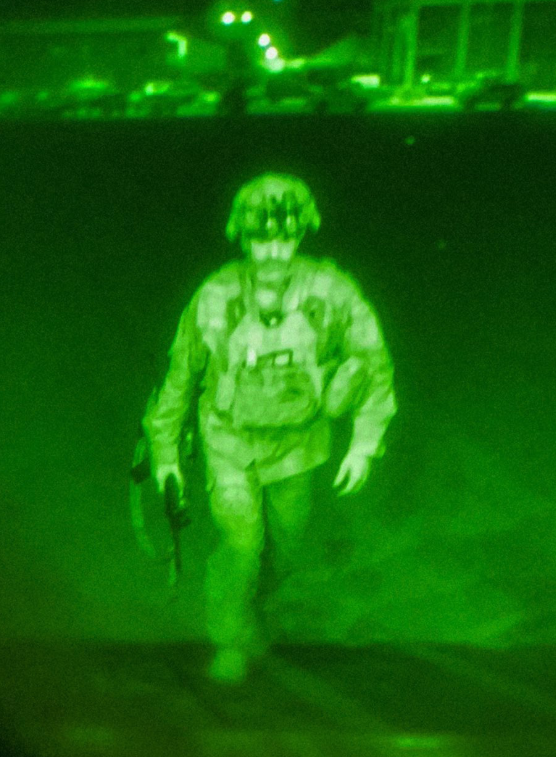
This is why the Afghanistan withdrawal cannot be understood only as a political or media event within the veteran community. For many, it functioned as a moral and emotional turning point. It forced veterans to reconsider what the war meant, what their friends died for, what promises had been broken, and whether the country understood the weight of what had been asked of them. The public tends to process war through dates, casualty numbers, elections, speeches, and news cycles. Veterans often process war through names, faces, places, promises, and absences. The withdrawal collided with those absences. It gave many veterans a new and painful frame for losses they had already been carrying.
That matters for families, friends, clinicians, veteran organizations, and anyone who wants to understand why Afghanistan still comes up years later. When a veteran says the withdrawal broke something loose, the answer should not be to rush into debate about whether leaving was right or wrong. The better question is: What did the withdrawal change about how you understand your service, your losses, and yourself?
For some veterans in this study, the answer was clear. The country moved on. They did not.
Part 2 of this series will turn to what happened when grief became anger: institutional betrayal, moral injury, distrust, and the struggle to preserve the meaning of service after the war ended in chaos.
_____________________________
Dr. Wylie Brace served with 3rd Ranger Battalion, 75th Ranger Regiment, and is a cognitive psychologist. He is the founder of Brace Research & Consulting LLC and specializes in perception, decision-making, and applied veteran-focused research.
Samantha D. Glidewell is a doctoral researcher at Miami University specializing in the psychological impact of trauma and the factors that contribute to adverse mental health outcomes, including betrayal. Her clinical interests include psychological assessment, psychotherapy, and evidence-based treatment for individuals experiencing trauma-related and complex mental health concerns.
As the Voice of the Veteran Community, The Havok Journal seeks to publish a variety of perspectives on a number of sensitive subjects. Unless specifically noted otherwise, nothing we publish is an official point of view of The Havok Journal or any part of the U.S. government.
Buy Me A Coffee
The Havok Journal seeks to serve as a voice of the Veteran and First Responder communities through a focus on current affairs and articles of interest to the public in general, and the veteran community in particular. We strive to offer timely, current, and informative content, with the occasional piece focused on entertainment. We are continually expanding and striving to improve the readers’ experience.
© 2026 The Havok Journal
The Havok Journal welcomes re-posting of our original content as long as it is done in compliance with our Terms of Use.