
Coming out of a high-pressure environment, whether it’s a demanding job, intense training, or a fast-paced lifestyle, often leaves a gap that people don’t expect. When the structure, urgency, and constant demands are removed, it can feel difficult to maintain focus or direction. What many discover is that discipline doesn’t disappear, it just needs to be rebuilt in a different, quieter form.
Instead of relying on external pressure, long-term discipline is rooted in small, repeatable actions. Research shows that a large portion of daily behavior, around 40%, is driven by habits rather than conscious decisions . This means that rebuilding discipline is less about motivation and more about creating consistent routines that gradually become automatic.
Replacing Intensity With Consistency
High-pressure environments often demand bursts of effort and constant urgency. While effective in the short term, this approach is difficult to sustain without burnout.
After leaving that environment, the challenge becomes shifting from intensity to consistency. Instead of doing everything at once, discipline is built through small, repeated actions, getting up at the same time, completing simple tasks, and maintaining structure in daily routines.
Studies on habit formation show that consistent, simple behaviors are more likely to become automatic over time, reducing the need for constant mental effort . This shift allows discipline to feel stable rather than forced.
Designing an Environment That Supports Action
One of the most overlooked aspects of discipline is the environment. High-pressure environments often enforce structure automatically, but in everyday life, that structure must be created.
This can include organizing your space, reducing distractions, and setting up systems that make good habits easier to follow. Discipline becomes less about willpower and more about removing obstacles. Even simple outdoor routines supported by tools like lawn fertilizers and care products reinforce consistency through visible progress and structured repetition.
Building Stability Through Intentional Routines
Daily routines don’t have to feel restrictive, they can provide clarity and rhythm. Activities like cooking, cleaning, or maintaining a hobby create natural checkpoints throughout the day.
Structured habits such as preparing meals or using equipment like yoder charcoal grills can become grounding rituals that replace the intensity of high-pressure environments with steady, repeatable actions. These routines help build discipline in a way that feels sustainable rather than forced.
Understanding Discipline as a Skill, Not a Trait
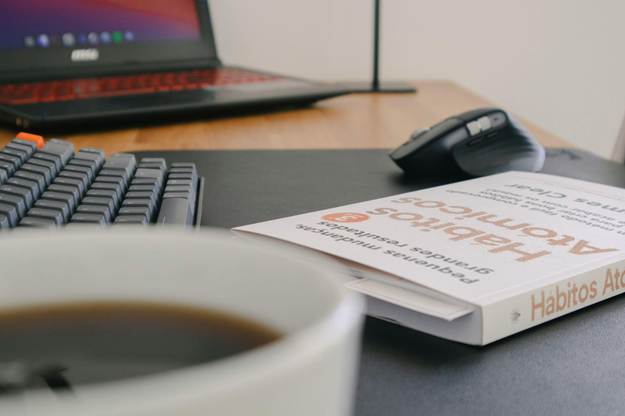
Many people assume discipline is something you either have or don’t. In reality, it behaves more like a skill that can be developed over time.
Psychological research shows that self-discipline is closely linked to self-regulation, the ability to manage thoughts, emotions, and actions in pursuit of long-term goals . Like any skill, it improves with practice and consistency.
This perspective is important after high-pressure environments, where discipline may have been externally enforced. Learning to build it internally requires patience and repetition.
Reducing Reliance on Motivation
Motivation is often strongest in high-pressure settings, where deadlines and expectations create urgency. Outside of that environment, motivation can fluctuate, making it unreliable as a foundation for discipline.
This is where systems become essential. Instead of relying on how you feel, discipline is maintained through routines and structures that guide behavior automatically.
Research suggests that relying solely on willpower leads to inconsistency, while systems and habits provide a more sustainable approach to maintaining discipline over time .
Finding Meaning in Everyday Actions
One of the biggest adjustments after leaving a high-pressure environment is learning to find meaning in smaller, quieter actions. Without constant urgency, it’s easy to feel like progress has slowed.
However, discipline is often built in these moments. Completing small tasks, maintaining routines, and showing up consistently all contribute to long-term growth.
Over time, these actions create a sense of control and stability. They also reinforce identity, each small habit becomes evidence of the person you are becoming.
Creating Long-Term Stability
The ultimate goal of rebuilding discipline is not to recreate high-pressure conditions, but to create a sustainable system that works in everyday life.
This means balancing structure with flexibility, maintaining consistency without burnout, and focusing on long-term progress rather than short-term intensity.
Research in behavioral science consistently shows that disciplined habits, when repeated over time, create momentum that leads to lasting success .
In the end, discipline after high-pressure environments is quieter, steadier, and more personal. It’s found not in extremes, but in the small things done well, every day.
Buy Me A Coffee
The Havok Journal seeks to serve as a voice of the Veteran and First Responder communities through a focus on current affairs and articles of interest to the public in general, and the veteran community in particular. We strive to offer timely, current, and informative content, with the occasional piece focused on entertainment. We are continually expanding and striving to improve the readers’ experience.
© 2026 The Havok Journal
The Havok Journal welcomes re-posting of our original content as long as it is done in compliance with our Terms of Use.

