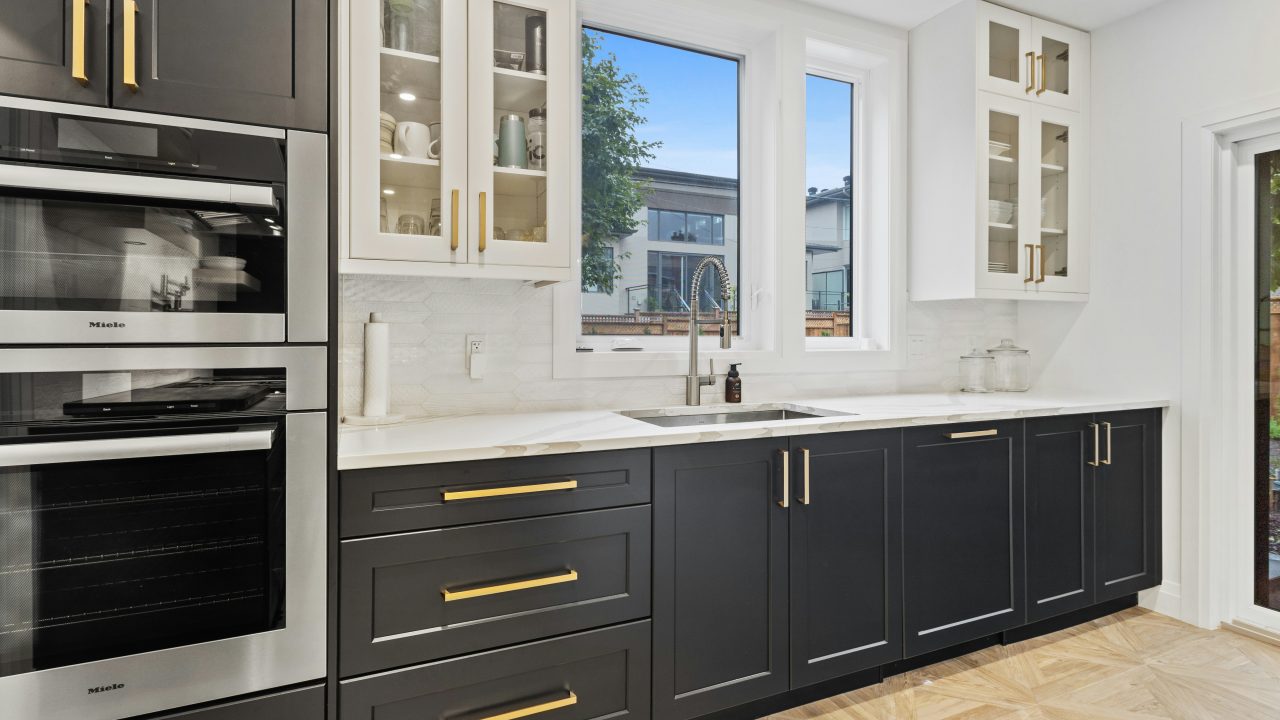
Photo by Point3D Commercial Imaging Ltd. on Unsplash
Contractors who build townhomes and apartments face tight budgets and strict deadlines. Ready-to-assemble cabinets offer a practical solution because they cost less to ship, arrive faster, and still deliver quality results. These cabinets come flat-packed with pre-drilled holes and hardware, which makes them easier to store on job sites and quicker to install than pre-assembled options.
Contractors typically source ready-to-assemble cabinets through direct manufacturers, wholesale suppliers, or specialized cabinet distributors who offer bulk pricing and custom specifications. The choice depends on project size, budget limits, and how much customization the client needs. Some contractors prefer to work with a single supplier across multiple projects to maintain consistency and build better pricing relationships.
This guide covers the main ways contractors find and purchase ready-to-assemble cabinets for multi-unit residential projects. It also explains what factors matter most in the selection process, from material quality to delivery timelines.
Primary Methods for Sourcing Ready-to-Assemble Cabinets
Contractors have four main approaches to acquire RTA cabinets for multi-unit projects. Each method offers distinct advantages in pricing, lead times, and order flexibility.
Partnering With Specialized Cabinet Suppliers
Specialized cabinet suppliers focus exclusively on cabinetry products and maintain deep industry expertise. These companies understand the unique needs of contractors who complete townhome and apartment projects.
They stock multiple cabinet lines at various price points. This variety allows contractors to match product specifications with budget requirements for different developments. Most suppliers offer design support and help contractors calculate precise material quantities.
Account managers at these suppliers often provide dedicated service for high-volume clients. They can expedite orders, coordinate delivery schedules, and resolve quality issues quickly. Many suppliers also maintain showrooms where contractors can view physical samples before placing large orders. The bulk kitchen cabinets for contractors offered through these partnerships typically include volume discounts that improve project margins.
Working With Direct Manufacturers
Direct manufacturer relationships eliminate intermediary costs from the supply chain. Contractors place orders straight with the factory that produces the cabinets.
This approach works best for large projects with consistent specifications across multiple units. Manufacturers often require minimum order quantities that suit apartment complexes and townhome developments. Lead times tend to be longer than other sourcing methods, so contractors must plan accordingly.
However, the cost savings can be substantial. Contractors gain access to factory-direct pricing and can negotiate custom configurations. Some manufacturers also offer private labeling options for contractors who want to develop their own cabinet line. Communication may require more effort since manufacturers focus on production rather than retail service.
Leveraging Local Distributors
Local distributors maintain regional warehouses and provide faster delivery than distant suppliers. They stock ready-to-ship inventory that contractors can access for quick turnarounds.
These distributors typically carry several cabinet brands and styles. Contractors can inspect products in person and resolve issues face-to-face. The proximity also reduces shipping costs and allows for partial deliveries as project phases progress.
Many local distributors understand regional building codes and design preferences. They can recommend products that meet local market expectations. Payment terms tend to be more flexible with established local relationships. The trade-off is that selection may be more limited than national suppliers or direct manufacturers.
Utilizing Online Cabinet Marketplaces
Digital platforms connect contractors with multiple cabinet manufacturers and suppliers through a single interface. These marketplaces provide comparison tools to evaluate pricing, specifications, and lead times across different vendors.
Contractors can browse extensive catalogs and filter options by material, finish, size, and price range. Many platforms offer visualization tools that help contractors present options to clients or property managers. Orders process through streamlined digital systems that reduce paperwork.
However, contractors must verify vendor reliability since marketplaces aggregate multiple sellers. Reviews and ratings help identify trustworthy suppliers. Some platforms guarantee order accuracy and product quality, while others simply facilitate transactions. Shipping logistics vary by vendor, so contractors need to confirm delivery capabilities for their project location.
Key Considerations When Selecting Ready-to-Assemble Cabinets
Contractors need to balance quality, cost, and speed for multifamily projects. The right cabinets must meet durability standards while fitting tight schedules and budgets.
Assessing Quality and Durability
Material choice affects how long cabinets last in rental units. Plywood construction offers better strength than particleboard, especially in high-use areas like kitchens. The box thickness matters too, with 3/4-inch sides providing more stability than thinner options.
Hardware quality separates good cabinets from poor ones. Soft-close hinges reduce wear and tear from repeated use. Drawer glides should support at least 75 pounds without sagging.
Finish quality protects cabinets from moisture and daily wear. Thermally fused laminate resists scratches better than basic melamine. Multiple coats of catalyzed varnish on wood doors hold up longer than single-coat finishes.
Box construction method determines structural integrity. Dowel and cam lock systems create strong joints but require careful assembly. Stapled boxes cost less but may loosen over time in rental properties where cabinet doors get frequent use.
Comparing Lead Times and Delivery Options
Production schedules vary widely between suppliers. Some manufacturers keep stock ready and ship within 5-7 business days. Others build to order and require 4-6 weeks before delivery.
Contractors should verify ship dates for each order phase. Staggered deliveries work better for large apartment complexes than single shipments. This approach prevents storage issues on site and matches cabinet arrival with construction progress.
Freight options affect both cost and timeline. LTL shipping costs less but takes longer and increases damage risk. White glove delivery adds expense but reduces assembly delays from damaged pieces.
Suppliers with regional distribution centers cut transit time significantly. A cabinet order from a nearby warehouse arrives faster than cross-country shipments. This matters for projects with firm completion dates and penalty clauses.
Evaluating Pricing Structures
Volume discounts make the biggest impact on large projects. Most suppliers reduce per-unit costs at specific thresholds, often at 50, 100, or 200 cabinet orders. Contractors should request tier pricing upfront to budget accurately.
Door style selection affects price more than box construction. Flat-panel doors cost 20-30% less than raised-panel or shaker styles. Simple finishes like white thermofoil run cheaper than wood stains or painted colors.
Package deals often beat à la carte orders. Pre-configured kitchen sets for standard layouts save money compared to custom selections. However, contractors must verify these packages actually match unit floor plans before purchase.
Payment terms influence cash flow on multi-phase projects. Net 30 or Net 60 terms help contractors manage expenses better than full payment upfront. Some suppliers offer progress billing that aligns with project milestones.
Coordinating Logistics for Large-Scale Projects
Storage space limits how early contractors can receive cabinets. Most job sites lack room for 40+ kitchen sets at once. Phased deliveries that match construction schedules prevent theft and weather damage.
Assembly labor needs to align with delivery dates. Contractors must schedule installers for the same week cabinets arrive. Gaps between delivery and installation tie up space and risk damage to unprotected boxes.
Unit variations require detailed tracking systems. Buildings with multiple floor plans need clear labels on each cabinet box. Color codes or unit numbers prevent mix-ups that delay installation and cause reorders.
Access restrictions at multifamily sites affect delivery methods. High-rise buildings need freight elevator reservations. Gated communities require advance notice for large trucks. Contractors should communicate these details to suppliers before the first shipment leaves the warehouse.
Conclusion
Contractors who source ready-to-assemble cabinets for multifamily projects gain clear advantages in cost control and installation speed. The flat-pack format reduces freight expenses and simplifies delivery to job sites with limited access. Builders can work with suppliers who offer bulk pricing and flexible design options that meet tenant needs across multiple units.
The choice to use RTA cabinets helps contractors stay on schedule and under budget. These benefits make ready-to-assemble options a practical solution for townhome and apartment developments in 2026.
Buy Me A Coffee
The Havok Journal seeks to serve as a voice of the Veteran and First Responder communities through a focus on current affairs and articles of interest to the public in general, and the veteran community in particular. We strive to offer timely, current, and informative content, with the occasional piece focused on entertainment. We are continually expanding and striving to improve the readers’ experience.
© 2026 The Havok Journal
The Havok Journal welcomes re-posting of our original content as long as it is done in compliance with our Terms of Use.


