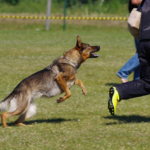
An experienced dog bite attorney meticulously demonstrates owner negligence through a detailed, systematic approach. By investigating the incident scene, gathering witness testimonies, and scrutinizing veterinary records, they establish patterns of aggressive behavior or prior incidents. They highlight specific lapses in duty, such as inadequate restraint or supervision, linking these breaches directly to the victim’s injuries. This compelling narrative sets the stage for a discussion on the nuances of proving liability in dog bite cases.
Understanding the Legal Definition of Negligence
Negligence, a fundamental concept in personal injury law, is often misunderstood despite its essential role in determining liability. At its core, negligence involves the failure to exercise the care that a reasonably prudent person would under similar circumstances. To establish a claim, one must prove the negligence elements: duty, breach, causation, and damages. Each element serves as a vital component, forming the foundation of legal standards governing dog bite cases. The duty of care obligates dog owners to prevent foreseeable harm, while breach occurs when this duty is violated. Causation links the breach to the injury sustained, and damages quantify the harm. Understanding these elements is important, as they collectively set the legal standards for proving owner negligence in dog bite incidents.
Investigating the Incident Thoroughly
When examining a dog bite incident, conducting a thorough investigation is vital to building a robust legal case. The attorney must engage in meticulous scene analysis, scrutinizing every detail where the event occurred. This includes evaluating the environment for signs of negligence, such as broken fences or lack of warning signs. By documenting these conditions, the attorney can establish a context that supports claims of owner negligence. Additionally, witness interviews are essential in piecing together the sequence of events leading to the bite. Statements from eyewitnesses can provide invaluable insights into the dog’s behavior and the owner’s actions or inactions. Combining scene analysis with detailed witness accounts allows the attorney to construct a persuasive narrative, proving negligence with compelling evidence.
Gathering Witness Testimonies
Building on the thorough investigation of the incident, the collection of witness testimonies becomes a key component in reinforcing the legal case. An experienced dog bite attorney meticulously gathers statements from witnesses, evaluating both witness credibility and testimony reliability. Each account is scrutinized to guarantee consistency with the established timeline and factual details of the incident. The attorney examines factors such as the witness’s proximity to the event, potential biases, and any prior interactions with the involved parties. By validating these testimonies against other evidence, the attorney strengthens the argument that the dog owner acted negligently. This analytical approach not only bolsters the case but also ensures that each piece of testimony contributes meaningfully to the overarching narrative of negligence.
Analyzing Veterinary Records
A critical step in constructing a compelling case for a dog bite incident involves the meticulous analysis of veterinary records. These records provide invaluable insights into the dog’s medical history, potentially revealing patterns of aggression or prior injuries indicative of problematic behavior. By examining vet records, attorneys can ascertain whether the owner was aware of any medical conditions that could exacerbate aggressive tendencies. Detailed entries on vaccinations, health issues, and treatment history may uncover negligence, such as a failure to address known behavioral problems. This analytical approach not only strengthens the case by highlighting the owner’s responsibility but also aids in correlating medical history with the incident, providing a robust foundation to argue for the owner’s liability and ensuring a thorough understanding of the dog’s health background.
Reviewing the Dog’s History and Behavior
Understanding the dog’s history and behavior is essential in a dog bite case, as it provides significant context that can influence legal outcomes. A meticulous dog behavior assessment can reveal patterns indicative of aggression or unpredictability, which are important in establishing owner negligence. Attorneys often explore past incidents involving the dog, such as previous bites or aggressive displays, to build a thorough profile. This examination can uncover whether the dog has a documented history of aggression, which is crucial in determining if the owner acted negligently. By analyzing these behavioral patterns, an experienced attorney can substantiate claims that the owner failed to mitigate known risks. Such detailed investigations are instrumental in proving liability and securing justice for the victim.
Examining the Owner’s Duty of Care
In examining the owner’s duty of care, it is essential to outline the specific responsibilities that dog owners are legally required to uphold, such as proper restraint and supervision. A thorough analysis of any breach of these duties can reveal negligence, which is a vital factor in determining liability in dog bite incidents. Highlighting these responsibilities and evaluating any lapses provides a clear framework for understanding the legal implications for the owner in question.
Owner’s Responsibilities Defined
While maneuvering through the complexities of dog bite cases, it becomes imperative to scrutinize the responsibilities vested in dog owners, particularly their duty of care. Owner liability often hinges on understanding and adhering to pet regulations that stipulate the proper management of dogs. These regulations mandate that owners prevent their pets from causing harm, which includes providing adequate training, supervision, and appropriate restraint in public settings. Failure to comply with these obligations can be indicative of negligence. Furthermore, an owner must be aware of their dog’s behavior and take proactive steps to mitigate potential risks, such as leashing aggressive dogs or securing them within their property. By clearly defining these responsibilities, an attorney can effectively establish a foundation to argue for owner negligence in dog bite incidents.
Breach of Duty Analysis
When evaluating a breach of duty in dog bite cases, it is essential to meticulously analyze whether the dog owner has failed to uphold the standard of care required by law. Legal standards dictate that owners must take reasonable measures to prevent their dogs from causing harm. Breach examples include failing to leash a dog in a public area, ignoring known aggressive behavior, or not securing a yard properly. Each instance reflects a deviation from expected conduct, showcasing negligence. Attorneys must scrutinize these actions against established legal standards to demonstrate a breach convincingly. By highlighting specific instances where an owner’s actions fell short, an attorney can effectively argue that the owner neglected their duty, thereby establishing the foundation for proving negligence.
Evaluating Supervision and Control Measures
How effectively are dog owners overseeing their pets to prevent incidents? Evaluating supervision techniques and control measures is essential in determining negligence. Experienced attorneys scrutinize whether owners utilized appropriate methods such as leashes, fences, or muzzles to manage their dogs’ behavior. They examine if owners adhered to local ordinances mandating specific control measures, like keeping dogs on a leash in public areas. A keen analysis of how owners respond to their dog’s aggression—such as intervening promptly when a pet becomes agitated—provides insights into their supervision. Additionally, the frequency and quality of supervision are assessed, as leaving a dog unsupervised for long periods could indicate negligence. These evaluations are significant in proving that inadequate supervision contributed to the incident.
Building a Compelling Legal Narrative
In constructing a compelling legal narrative for a dog bite case, it is essential to methodically establish the owner’s duty of care towards the victim, demonstrating any breach of that duty with precise evidence. This foundation is further cemented by clearly presenting the causation link between the breach and the resulting injuries, alongside a detailed account of the damages incurred. Such a structured approach not only reinforces the attorney’s argument but also maximizes the potential for a favorable outcome.
Establishing Duty of Care
A foundational pillar in dog bite litigation is the establishment of duty of care, an essential element in crafting a persuasive legal narrative. To prove negligence, an attorney must first demonstrate that the dog owner owed a legal duty to prevent harm. This involves analyzing dog owner responsibilities, which include controlling the animal and ensuring it poses no undue risk to others. A clear understanding of local ordinances and state laws is significant, as these define the scope of the legal duty owed. By meticulously presenting evidence that the owner was aware of these responsibilities yet failed to act accordingly, an attorney lays a solid groundwork. This narrative is important in portraying the owner’s accountability, setting the stage for further legal arguments.
Demonstrating Breach of Duty
Frequently at the core of a persuasive legal narrative is the demonstration of a breach of duty, a critical step in substantiating negligence in dog bite cases. An experienced attorney meticulously analyzes breach examples, drawing from established legal standards to showcase how an owner failed to meet their obligations. This involves scrutinizing scenarios where the owner ignored warnings, such as failing to secure a known aggressive dog, or neglecting to leash the animal in public spaces. By pinpointing these lapses, the attorney constructs a compelling narrative that highlights the owner’s deviation from reasonable care. This analytical approach strengthens the argument of negligence by illustrating how the owner’s actions, or lack thereof, directly contravened their duty to prevent harm.
Presenting Causation and Damages
Establishing a breach of duty sets the stage for illustrating how that breach leads directly to an injury, thereby introducing the elements of causation and damages in the legal narrative. In a dog bite case, causation analysis meticulously connects the owner’s negligence to the victim’s injuries. An attorney presents evidence showing that the owner’s failure to control their dog directly resulted in harm. This causal link is essential for a robust argument. Concurrently, damage assessment quantifies the impact of the injury on the victim’s life, encompassing medical expenses, lost wages, and emotional distress. By constructing a detailed and compelling narrative, the attorney effectively demonstrates not only the occurrence of negligence but also its tangible consequences on the victim’s well-being.
Presenting Evidence Effectively in Court
Successfully presenting evidence in court is pivotal for any dog bite attorney aiming to secure justice for their client. Effective presentation of evidence requires meticulous courtroom strategies that emphasize the facts, leaving no room for ambiguity. An experienced attorney meticulously organizes evidence, ensuring it aligns with the narrative of negligence. Visual aids, such as charts and photographs, enhance understanding and retention, appealing to both judge and jury. Additionally, expert testimonies can substantiate claims, offering professional insights into the severity and origin of injuries. By anticipating counterarguments, attorneys can strategically address potential weaknesses in their case, fortifying their client’s position. Ultimately, a detail-oriented approach to evidence presentation is instrumental in persuading the court of the dog owner’s negligence, thereby achieving a favorable outcome.
Frequently Asked Questions
How Long Do Dog Bite Cases Typically Take to Resolve?
Dog bite case duration varies greatly, often influenced by the complexities of the legal process. On average, resolution may take several months to a few years, depending on factors such as evidence, negotiations, and court scheduling.
What Compensation Can Victims Expect From a Dog Bite Lawsuit?
In a dog bite lawsuit, victims can anticipate compensation types covering medical bills, lost wages, and pain and suffering. Analyzing victim expenses provides an extensive evaluation for securing appropriate restitution and ensuring justice for the injured party.
Are There Specific Laws Regarding Dog Bites in Different States?
State regulations and breed restrictions vary widely, impacting liability and owner responsibility. Analyzing these differences is essential for understanding legal nuances. Breed-specific laws and strict liability statutes can greatly influence outcomes in dog bite cases across different jurisdictions.
Can a Dog Owner Be Held Liable if the Bite Occurred on Their Property?
A dog owner can indeed be held liable if a bite occurs on their property. Owner responsibility and property liability hinge on factors such as prior knowledge of the dog’s aggressiveness and failure to prevent the incident.
What if the Dog Bite Incident Involved a Stray or Unowned Dog?
In cases involving stray dogs, establishing liability can be complex. Without a clear owner, proving responsibility shifts from owner liability to municipal negligence, examining local animal control measures and public safety protocols to determine stray liability.
Buy Me A Coffee
The Havok Journal seeks to serve as a voice of the Veteran and First Responder communities through a focus on current affairs and articles of interest to the public in general, and the veteran community in particular. We strive to offer timely, current, and informative content, with the occasional piece focused on entertainment. We are continually expanding and striving to improve the readers’ experience.
© 2026 The Havok Journal
The Havok Journal welcomes re-posting of our original content as long as it is done in compliance with our Terms of Use.