By Reggie Mills, Meagan Thrift, Alex Genovese, and Adrianne Huls
For years, the national conversation about veteran transition focused on one question:
How do we help people leave the military?
Today, the question needs to be different.
Increasingly, the men and women who serve our nation are asking something more important, and much deeper:
How do I design a life that fits who I am now?
That shift is something we should all pay attention to as we look to help people create their next chapter. It is beyond getting a job, ensuring they have access to benefits, and all the logistical tools we arm them with. This brings the conversation to something that gets to their human needs.
It changes how we support transition. It changes what success looks like. And it changes what leadership in this space requires.
From our vantage point working closely with transitioning service members, veterans, and spouses across the country, we’re seeing a landscape that is evolving in meaningful ways and presenting an opportunity for the organizations that support them to evolve as well.
This is not a moment for incremental adjustment. This is a moment that calls for bold innovation and understanding if we truly want to set people up for success.
The Veteran Population Is Changing
The post-9/11 generation that defined the transition conversation for two decades is no longer the only reference point.
Many veterans today:
• deploy differently, or less visibly
• leave service earlier
• think about transition sooner
• prioritize family and geography differently
• explore industries beyond defense more intentionally
• ask more openly what alignment and happiness look like
Earlier generations often left service with a shared operational narrative. Today’s veterans sometimes leave with a more complex story, and while it was always a challenge to translate military experience into civilian language, this new complexity makes it even more so.
These new experiences don’t make their service less meaningful, but they make identity work more important.
At the same time, we’re seeing something encouraging:
Veterans are thinking earlier about their future and more holistically about their lives than ever before. They’re asking better questions. They’re exploring options. They’re investing in education. And they’re engaging networks years before transition instead of months.
That’s progress.
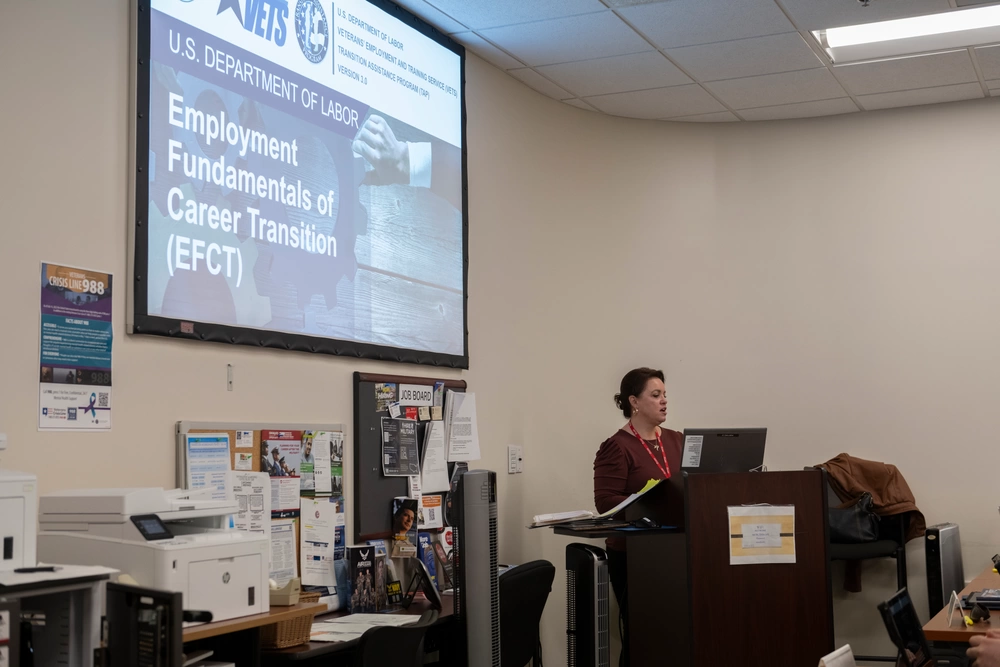
Transition Is No Longer a Six-Month Event
One of the biggest shifts we’re seeing is this:
Transition is no longer a moment.
It’s a multi-year process.
More veterans are returning years after separation, saying some version of:
“I got a job quickly, but I never really did the work to understand what I wanted.”
This isn’t a new story, but it is one we need to pay attention to and act upon.
Career decisions made under time pressure often prioritize security over alignment. Over time, people begin asking deeper questions about purpose, identity, and direction.
Organizations that still treat transition as a short window around separation are solving yesterday’s problem.
The future of transition support is longitudinal.
The “Right Job” Is No Longer the Only Goal
For a long time, transition success was measured by employment outcomes alone.
That made sense when the primary barrier veterans faced was access.
But today’s veterans are increasingly asking whether the roles they enter actually reflect who they are and how they want to contribute.
We’re seeing:
• growing skepticism around credential stacking as a default solution
• more exploration beyond traditional defense-adjacent pathways
• greater attention to lifestyle and location decisions
• a stronger desire for meaningful alignment, not just stability
Salary still matters. Opportunity still matters.
But meaning and value matter too.
And veterans are saying so clearly.
The Spouse Population Is Emerging as a Strategic Force
Another important shift is happening alongside this one.
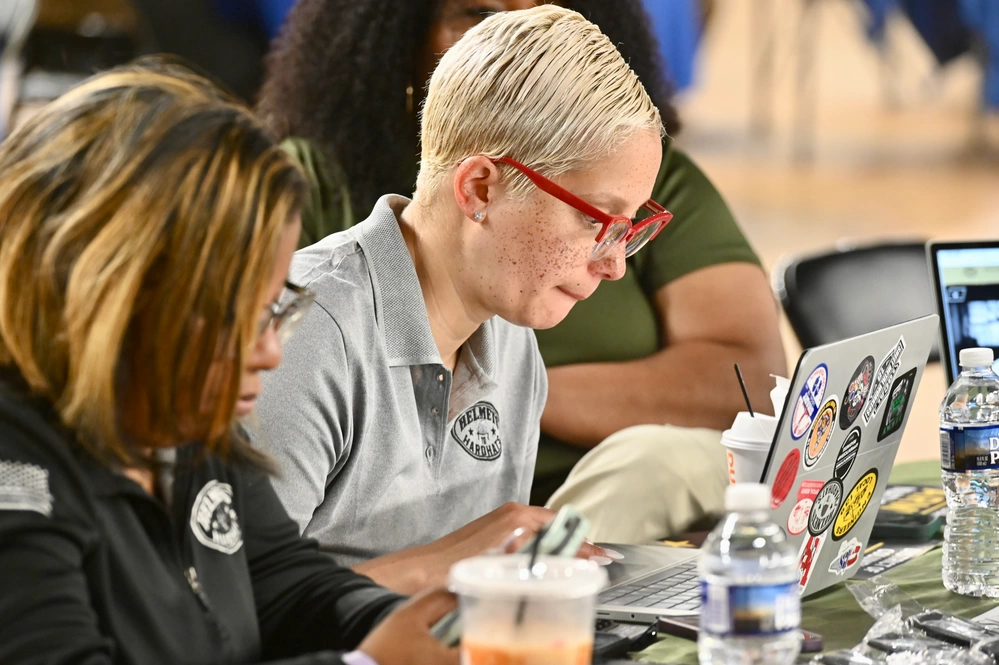
Military spouses are stepping forward, not just as supporters of transition, but as participants in their own right.
They’re pursuing career shifts. Expanding professional networks. Asking identity questions of their own. And increasingly shaping family transition decisions alongside their partners.
Supporting veteran transition without supporting spouse transition is no longer sufficient.
The ecosystem is the unit of transition now.
The National Context Has Changed Too
The country veterans are transitioning into today is not the same one they entered when they raised their right hand.
The workforce has changed. Technology has changed. The economy has changed. And the cultural conversation around service has changed as well.
We are also living in a time when many veterans feel the effects of a more divided national environment than they expected to return to.
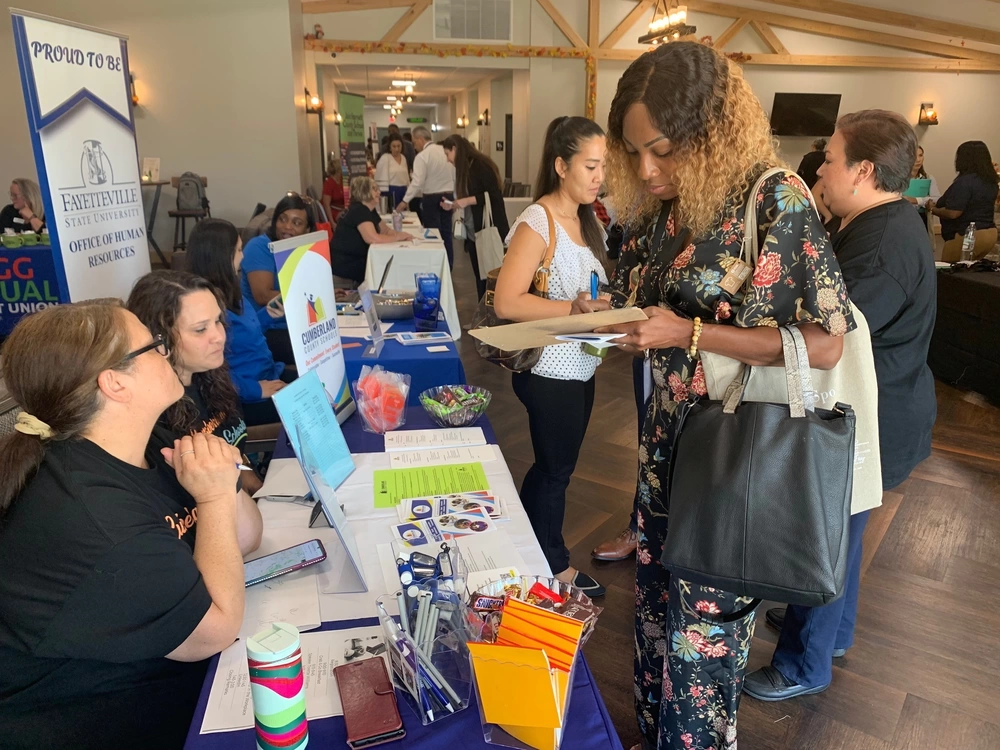
That makes something else more important than ever: community.
Connection is not a “nice-to-have” in transition.
It’s stabilizing infrastructure.
What Should Not Change
Even as the landscape evolves, some fundamentals remain clear.
Veterans don’t just need job placement.
They need clarity.
They need language for their experience.
They need space to reflect.
They need trusted conversations.
They need peers who understand the journey.
And they need networks that help translate identity into opportunity.
Helping people define who they are, what matters to them, and why they’re moving forward before they make major decisions is still the most powerful starting point we know.
We cannot look at this work as optional or nice to have. We need to see it as the foundation of success.
What Leadership in the Transition Space Looks Like Now
If transition support organizations want to remain relevant in this next chapter, several shifts are essential:
First, we must recognize transition as a multi-year process, not a single program experience.
Second, we must treat spouses as full participants in the transition ecosystem, not as a plus-one.
Third, we must strengthen alumni engagement, not as a closing chapter, but as a continuation of community. Think of organizations like Harvard Business School or Wharton. They have powerful alumni networks. The network of our service members should be no less important than these.
Fourth, we must listen closely to veterans themselves. The best signal about what’s changing is already inside the population we serve.
And finally, we must continue to ask a simple but important question before launching anything new: Are we creating impact and opportunity, or just activity?
Thought leadership in this space isn’t about adding programs.
It’s about improving alignment.
Veterans Are Asking Better Questions. That’s a Good Sign.
Perhaps the most important shift we’re seeing is this:
Veterans today are not just asking how to transition.
They’re asking how to live intentionally.
They’re asking where they belong.
They’re asking how to contribute.
They’re asking what success means on their own terms.
For those who want to support those in transition, we can view this as either a challenge or an opportunity.
If we listen carefully and respond thoughtfully, we have an opportunity to build a model of transition support that reflects who veterans really are:
not problems to be solved, but leaders continuing their next chapter of service.
_____________________________
Reggie Mills, Meagan Thrift, Alex Genovese, and Adrianne Huls serve in leadership roles at The COMMIT Foundation, where they work to advance innovative approaches to veteran and military family transition. Drawing on extensive experience in military service, coaching, adult development, workforce integration, and community engagement, they help individuals move beyond transactional transition support toward lives defined by purpose, impact, and continued service. Their collective work focuses on the evolving challenges and opportunities facing veterans, spouses, and the broader military-connected community.
As the Voice of the Veteran Community, The Havok Journal seeks to publish a variety of perspectives on a number of sensitive subjects. Unless specifically noted otherwise, nothing we publish is an official point of view of The Havok Journal or any part of the U.S. government.
Buy Me A Coffee
The Havok Journal seeks to serve as a voice of the Veteran and First Responder communities through a focus on current affairs and articles of interest to the public in general, and the veteran community in particular. We strive to offer timely, current, and informative content, with the occasional piece focused on entertainment. We are continually expanding and striving to improve the readers’ experience.
© 2026 The Havok Journal
The Havok Journal welcomes re-posting of our original content as long as it is done in compliance with our Terms of Use.


