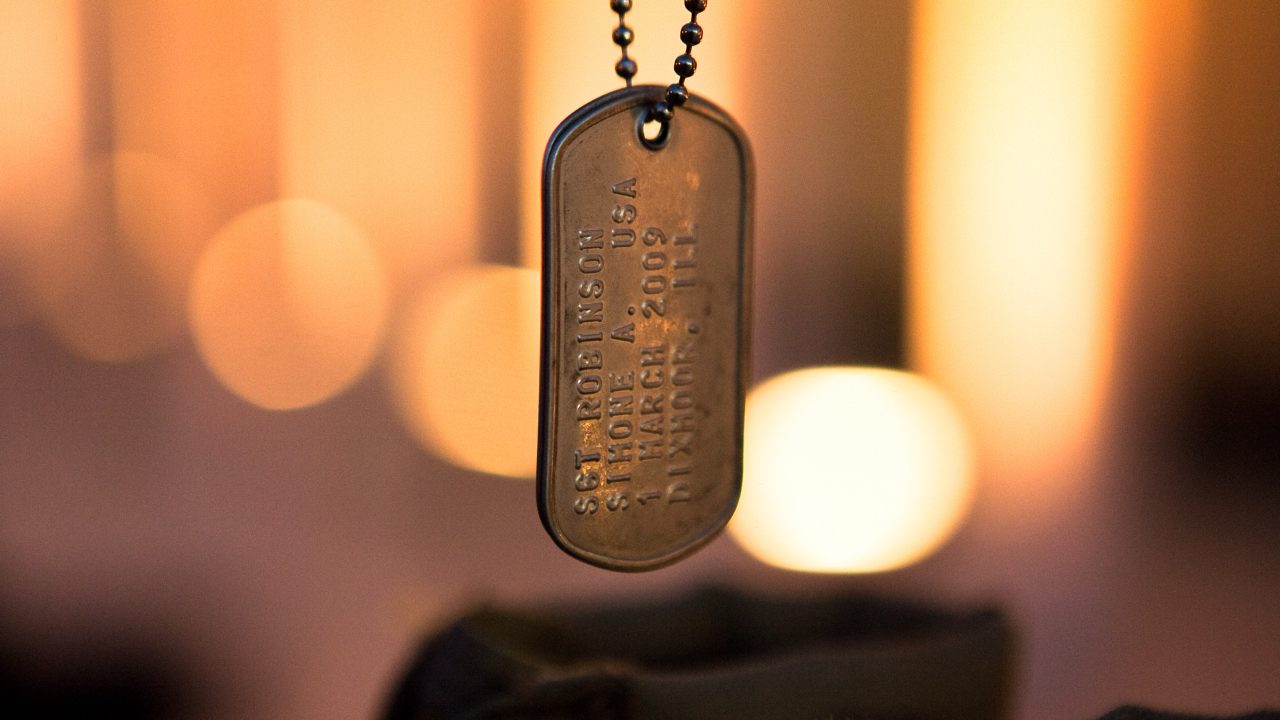
by Charles Ray
This article, write up, testament, or whatever you want to decipher it as is my perspective on the ongoing crisis in Afghanistan as well as some insight into the country of Afghanistan as a whole. Now, more than ever I believe it is crucial for those of us who experienced life in Afghanistan to share some of our stories, insight, and experiences to others to not only educate people who have never been there and want to know, but to warn others as well. The current situation in Afghanistan also poses significant risks that cannot be overlooked. We must remain vigilant in light of reports indicating an increase in travelers from Arab and Central Asian countries and the renewed ambitions of terrorist groups like TTP and ISIL-K. Al-Qaida’s presence is growing, with recruitment and training activities indicative of a long-term intent to strengthen regional ties. The resurgence of these organizations heightens the threat level and calls for urgent action to counter the potential instability that lies ahead.
In my “previous life,” I worked as a private “contractor” for several years in Afghanistan. My “customers” consisted of various conventional and unconventional forces, ISAF/NATO SOF elements, NGOs and other alphabet soup agencies, and many other entities working in support of OEF (Operation Enduring Freedom). I had the unique opportunity and privilege to live and work in Afghanistan for three transformative years. During that time, I became deeply fascinated by Afghanistan’s culture and history, often finding myself reflecting on the profound impact those years had on my life and worldview. There isn’t a day that goes by without thoughts about my experiences in that ancient land.
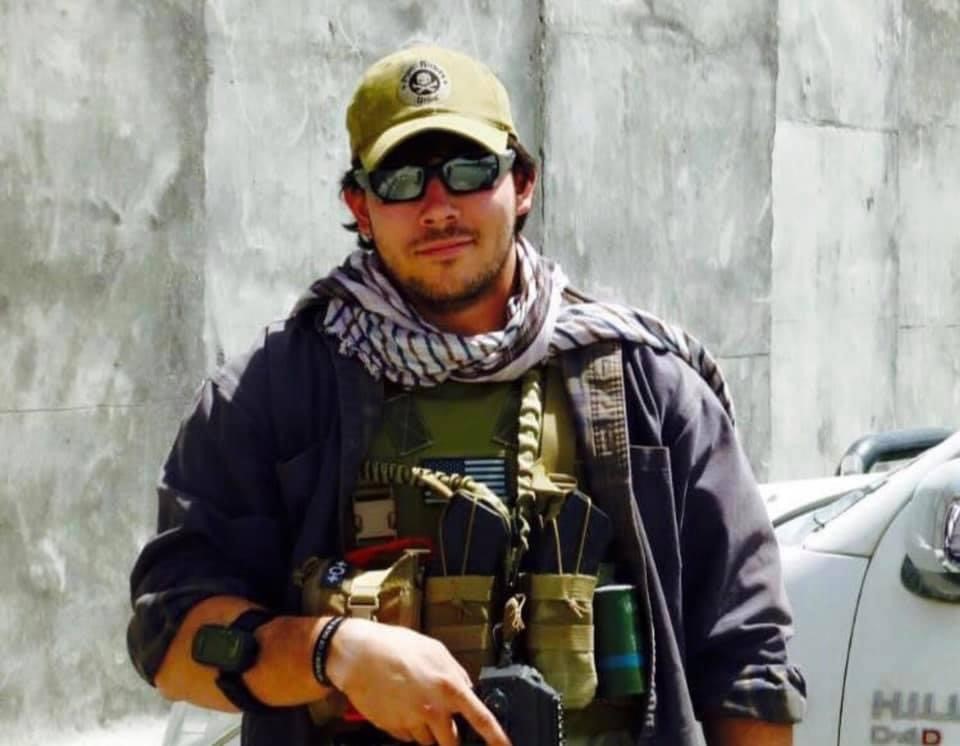
Unless you have been living under a rock, to busy trying the latest Tik Tok “challenge,” arguing over masks and vaccines, or just simply out of touch with the real world; then you’ve probably seen some headlines about a country called Afghanistan. For some, the past few years, weeks, days, and hours have been a punch in the gut filled with anger, sadness, and a myriad of other emotions that cannot be quantified unless you have paid a visit and left a part of yourself behind in this ancient land. For others, it has been nothing more than a reminder that there was something going on in Afghanistan. For some it’s the only thought and for many it’s an afterthought. The first thing, or rather person, that popped into my head three years ago was Mr. “G.”
I won’t use his name or other names due to the current risk. You see, Mr. “G” was a friend, but he was also a shopkeeper. One day, my partner (Mr. “D”) and I were talking with Mr. “G” and he was telling us that he had just had a baby recently and that while he was at home, he found it difficult to always keep an eye on him while he was doing work around his home because he was always getting into something. My partner suggested that we get him a baby bouncer somehow. Now obviously, there isn’t a Babies’R’Us in Afghanistan, so we had to order it. Long story short, we ordered it and it showed up. The look on the military guy’s face was pretty interesting when I picked it up considering I was receiving a package that had a picture of a baby and Babies’R’Us printed on the side.
I will never forget Mr. “G’s” face when we presented him with the bouncer—it was a heartfelt moment of gratitude that transcended the simplicity of the gift itself, highlighting the hardships and joys within his reality. I tell that small story because the first thing that came into my head was the thought and hope that Mr. “G”, his child, and his family were still alive and safe. I began to wonder about the fate of all my friends who were still living there.
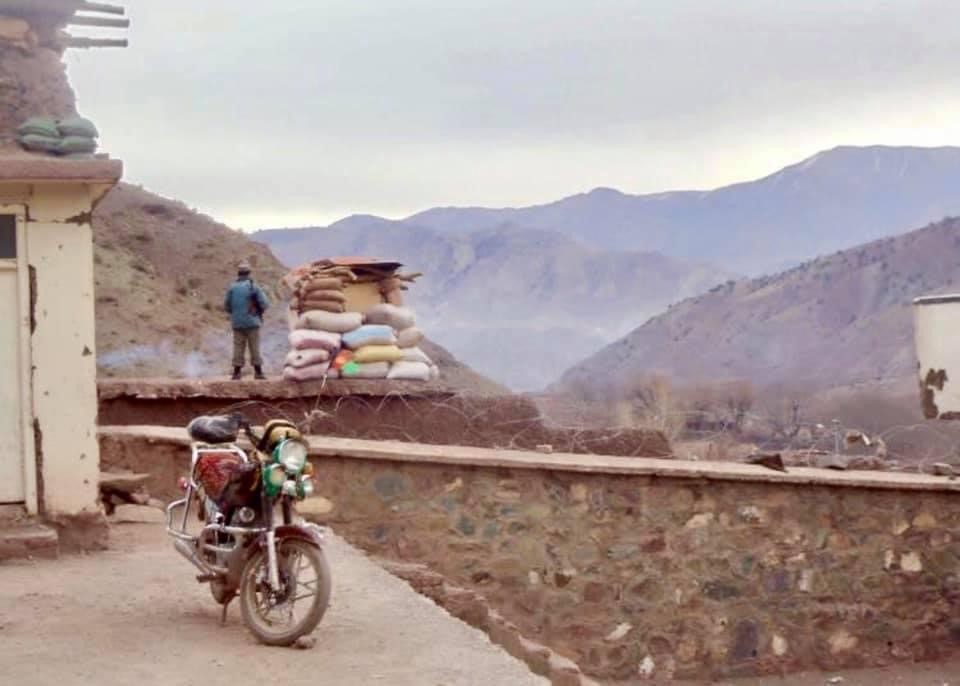
I will never forget the day I landed at Kabul International Airport. I remember when the mountains came into view, and I was immediately awe struck. As the plane approached the runway, I remember seeing the abandoned aircraft, which were predominantly Soviet, scattered in various spots across the tarmac. I didn’t realize it then, but these “relics” of previous nations were the physical reminders and warnings of what was to come, and these reminders were littered everywhere across this beautiful but scarred landscape.
My primary job at this point forward was to gather “Atmospherics” which can be defined as moods, attitudes, perceptions, and opinions of the local populace. In simpler terms, my job was to gather word on the street. This “raw unfiltered data” was critical for understanding how Afghan locals reacted to GIRoA (Government of the Islamic Republic of Afghanistan), ISAF (International Security and Assistance Force), ANSF ( Afghan National Security Force) elements, criminal groups, insurgents, and other high-profile events such as elections, high profile attacks, CIVCAS (Civilian Casualty) incidents, corruption, and many other things that directly affected people on the ground.
While I was afforded the opportunity to travel throughout Afghanistan and see many things, my primary areas of responsibility were Logar and Wardak Provinces. Each province and their respective districts held an immensely diverse cultural and political climate that was as volatile as it was strategically important. Logar Province borders Kabul and was therefore of strategic importance to not only ISAF/NATO forces and GIRoA, but also to the Taliban. Insecurity and corruption fed the ever-evolving climate of destabilization and mistrust between locals, ISAF, and GIRoA. The Taliban exercised extreme strategic patience and became masters at exploiting even the smallest mistakes and failures by both parties to increase local support and positive sentiment towards their cause. The Maidan Wardak Province, which also borders Kabul, is extremely mountainous and was always considered to be a “high-risk” unsecured district. Like most provinces in Afghanistan, Wardak and Logar have seen constant unrest, civil war, and conflict.
To somewhat set the stage of current affairs, you must look at history and examine each domino that has fallen thus far. That would take hours upon hours to explain. Notable chapters, visitors, and rulers of Afghanistan include Cyrus II, Alexander the Great, the Turks, the Abbasid Caliphate, Genghis Khan’s Mongol Empire, The Durrani Empire, The British Empire, The Soviet Union, ISAF / NATO, and of course once again, The Taliban. Invasion, occupation, and civil war have shaped Afghanistan but there has been peace at times, most notably during the reign of Mohammed Shah, the last king of Afghanistan. From the early 1930’s until the Soviet Union’s invasion in the 1970’s, Afghanistan prospered, established international relations, and grew culturally and economically. In fact, in 1964 a new constitution was signed making Afghanistan a modern democratic state by introducing free elections, women’s rights, civil rights, as well as free elections. Unfortunately, this was short-lived due to his exile and the takeover by the Soviet backed regime and eventual Soviet Invasion in 1979. If I still have your attention, I hope that you keep reading just a little bit longer.
Now, you might be saying to yourself, “that’s a lot” but it gets better. Introduce Tribalism…

You see, just like an American can have varying backgrounds, ethnicities, or religion, so to can an Afghan. But it’s a bit more complex and if you haven’t ever read into this, you may want to as there is a lot to know, and it can be slightly overwhelming to grasp and remember. Afghanistan is home to more than a dozen different ethnic groups. Pashtuns, Tajiks, Hazaras are some of the most predominant ethnicities. Dari and Pashto are the official languages but there are others as well. The vast majority of Afghans are Sunni while Shia Muslims make up a much smaller percentage.
Afghans have an extremely high sense of personal honor. Loyalty, trust, resilience, and hospitality are core values. Decades upon decades of conflict have shaped generations to embrace one thing, their tribe. In many cases it does not matter who the President is, who the governor is, or any other national or provincial leader. The Village Elders and the Mullah (teacher of Islamic Law) are two of the main authority figures for most small villages. Dependance upon community outweighs dependance on the government most of the time. All of this of course has evolved somewhat since the early 2000’s particularly with a younger generation but the foundations remain the same.
It is important to note that the Taliban are predominantly made up of Pashtuns and besides being religious extremists, they are also Pashtun nationalists in a sense and have a tendency to persecute and exclude other ethnicities. It is also equally important to note that the “defeat” / capitulation of the ANSF recently is a perfect example of how kinship and tribal connection often take precedence over political loyalty in many cases. Negotiations take place and a trade is offered. In this case, the ANSF can surrender and return to their families unharmed, or they can join the movement. Members of the ANSF knew that as soon as the Biden administration announced the date of departure, choices would have to be made.
This explains why the capitulations began to grow with hardly any bloodshed. Alliances can shift, and tribes, families, and people make decisions based on the current risk. Today, that risk being continued support of GIRoA or survive and spare oneself and one’s family from the almost guaranteed brutal reprisal of the Taliban. I don’t say this to point fingers at the Afghans, but rather quite the opposite. Not all ANSF elements surrendered. In fact, a large number of ANSF elements and those opposed to Taliban rule have vowed to fight and the infamous Panjshir Valley is once again becoming the staging area for resistance to Taliban oppression. Regardless, American leadership continually failed to realize the premise of Afghan culture and reality and the important role it plays.
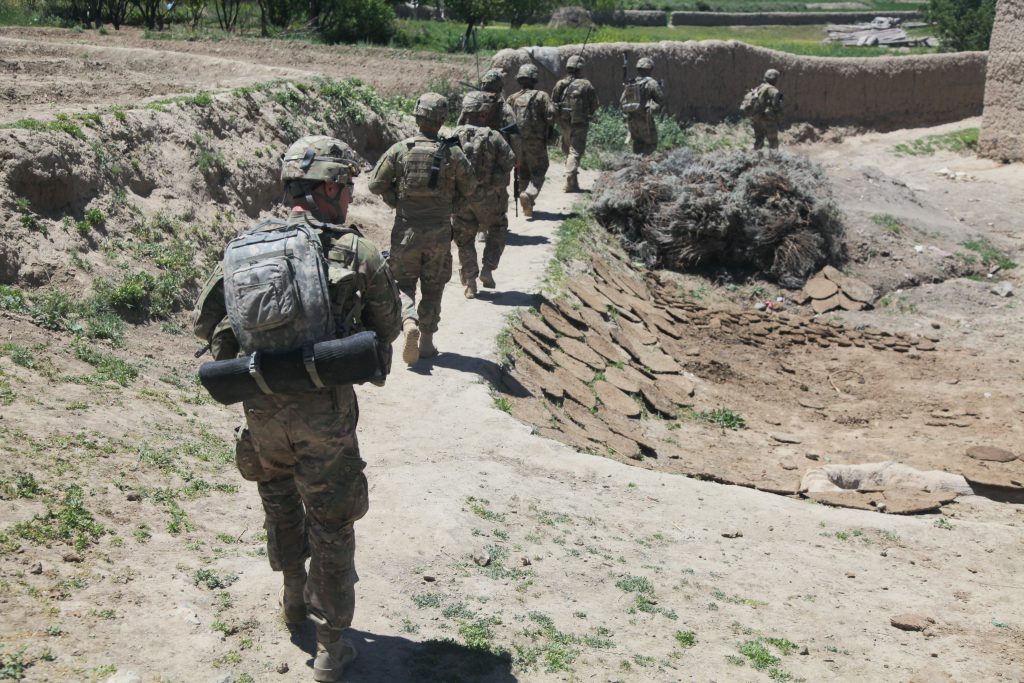
Now that you have gotten your mind around the very basic facets of Afghan history and culture, let’s get to the “now.” Back in 2012 and even before then, the writing on the wall was becoming very apparent. The current strategy was not working, and things were getting worse. Once we shifted gears from “resolve” to nation building things changed. Security was decreasing and uncertainty was building. At the same time, trust was being lost at an ever-rapid pace with locals. The Taliban learned very quickly that they didn’t need spectacular assaults from the days of old, but rather only a tiny razor to cut the multinational technologically superior foreign forces that never seemed to grasp the concept or knowledgeable understanding of the people that they were there trying to help. As I reflect on the past two decades from where I sit now, it becomes even clearer that our initial strategies began to falter as we shifted focus from military resolve to nation-building. Despite our power and technology, the Taliban knew they could exploit our weaknesses. The constant influx of personnel without cohesive long-term strategies created a disconnect between the military and local governance.
One of the largest gaps that we had over twenty years was our continued inconsistency. There was always a constant revolving door of deployments and redeployments. So after only 3 months, 6 months, or 12 months; the ANSF, local governance, and local population had to get to know an entirely new set of faces and mindsets. Trial and error propped up the illusion of absolute progress towards an unknown and uncertain end game. We checked blocks while the Taliban lurked in the shadows. We spun narratives of progress and security while the Taliban continually worked to undermine it all even though Washington continually preached that they were defeated and on the run.
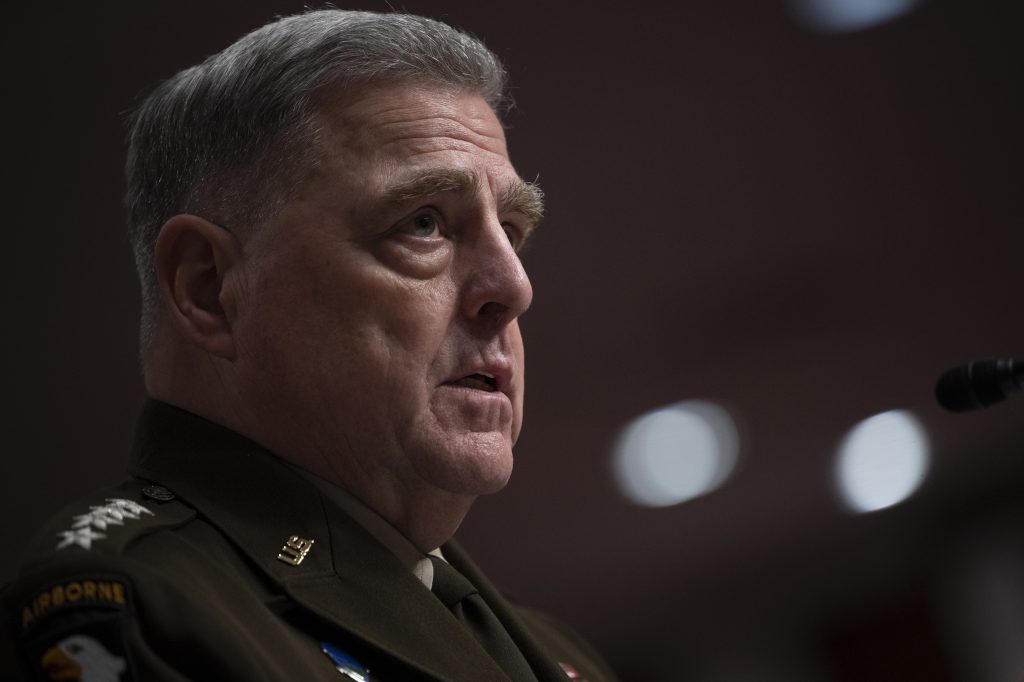
By rotating constantly, we failed to effectively address the rampant toxic corruption that was slowly but surely crippling the government we continually propped up and empowered with praise and a seemingly endless supply of money that often never seemed to reach the appropriate place for some odd reason. We came up with new fancy acronyms that looked good on PowerPoint like COIN and SWEAT-MSO to use as a metric of perceived progress. Drug use, poorly maintained equipment, and the conundrum of constant inept logistics fractured the ANSF.
Inconsistent pay systems and sometimes absent accountability all contributed to the growing gaps within GIRoA and the ANSF. We became very good at training our counterparts on the platoon and company levels, but we failed to mentor and mold on the higher levels to establish the necessary infrastructures of leadership development, the need for continuous training, progression, and overall accountability. I cannot tell you how many reports I wrote about corruption within GIRoA but I can tell you that the machine kept moving towards its own demise. Remember, nobody likes it when you call their baby ugly, and this one was growing more grotesque by the year until it became a self-destructive monster.
Was it all bad and full of mistakes? Absolutely not. There were victories just as there was sacrifice. There was progress. For twenty years we held back a “cancer” that was finally emboldened enough to come out of hiding and into the light knowing that we pushed the start button on a timer. Thousands of Afghan children were able to achieve an education. Women were finally allowed to come out from under the extremist shroud of total oppression. The bad guys knew that they did not want to fight us head on in many cases and chose to shoot from a far running and hiding afterwards. Clinics and healthcare were more widely available.
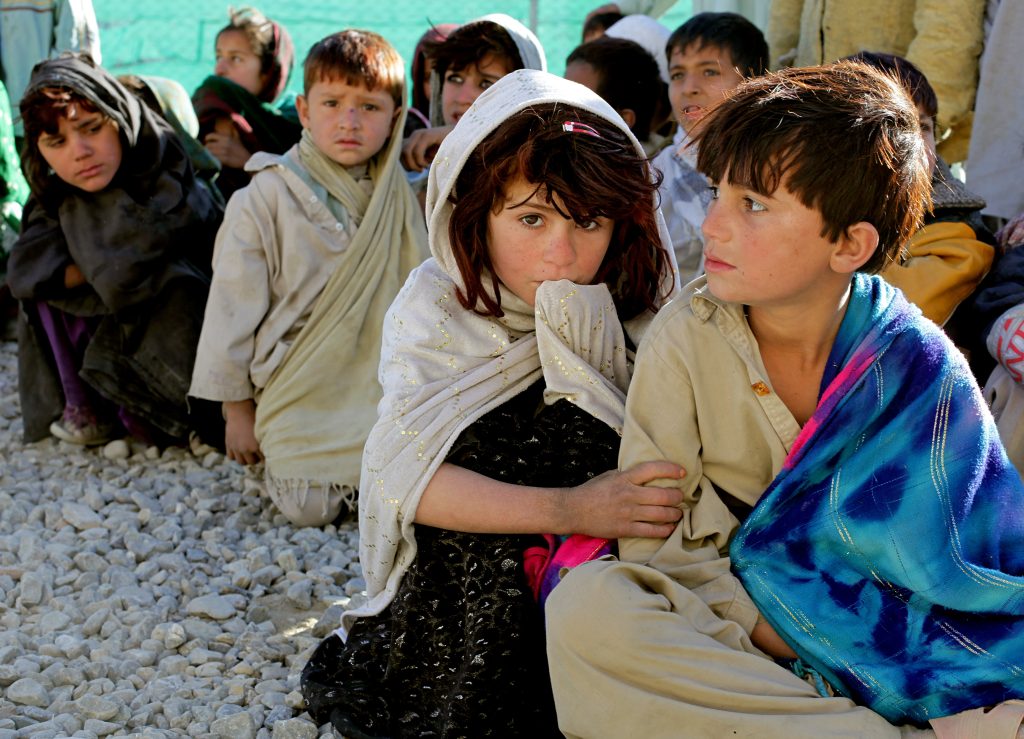
The American Soldier, Sailor, Airman, and Marine showed up with their boots on the ground and did the job. It wasn’t always easy, and more than 2400 Americans made the ultimate sacrifice for their fellow Brothers and Sisters in Arms. I watched numerous times as flag draped body bags began their long journey home and wondered if all our sacrifices would be worth it. I watched Afghans bear the brunt of mistakes made by our policy makers and leaders as well as their own. I watched children orphaned by decades of war wander aimlessly and beg for food and water. But I also watched children smile when they were given a book, a piece of candy, or simply afforded the opportunity to attend school in peace and without fear. I saw beauty in many things from a child’s smile, to the snow-covered mountains, and to the star lit milky way visible in the night sky. But I also saw things that no one should ever see, and three years ago for a brief moment; the world finally saw it too.
So, who do we blame for the current situation in Afghanistan? Politicians? The Afghans? The Military? Unfortunately, that question has an encyclopedia volume worth of independently interpretive answers. Sure, politicians can bear their share of the blame. In this case, American and Afghan politicians from across the spectrum of their respective governments perpetuated their own lies and continuously manipulated the ground truth to protect themselves from accountability.
Congress kicked the can of war down the road for years and 4 Presidential administrations fed the machine of war and continuously propelled it onto a path with no clearly defined end. It is my personal opinion that a large portion of the so-called blame must be shouldered by ourselves. We attempted to take 245 years of democracy and capitalism and forcefully inject it into a culture that is thousands of years old. It simply does not work the way it works here in the United States.
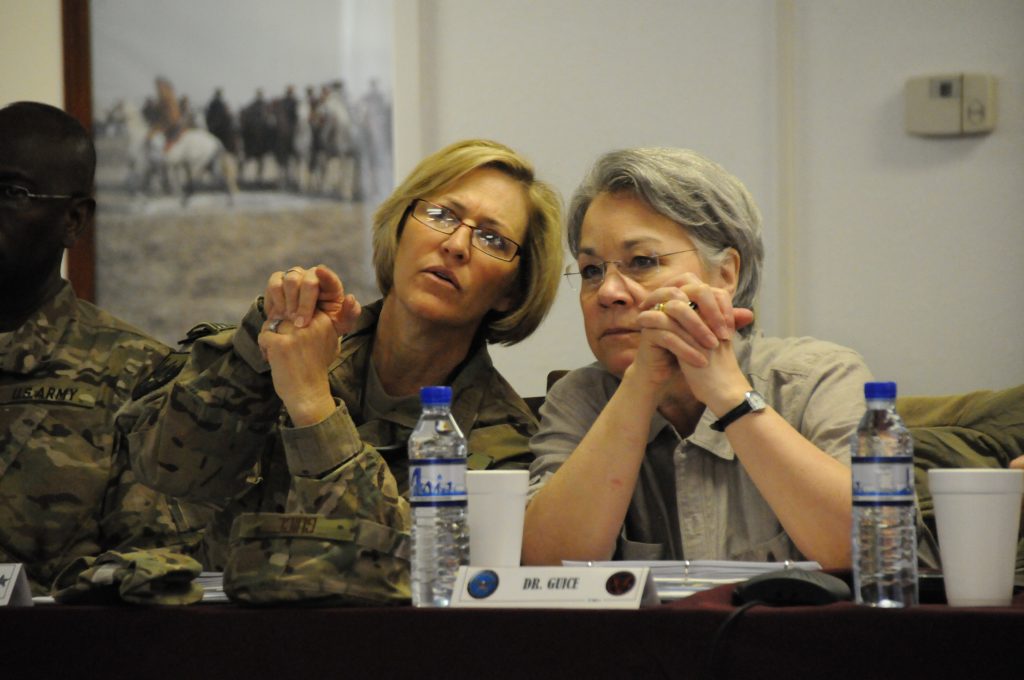
Even after the “boots on the ground” said this is not working, we trudged on through the ever-expanding mire of a seemingly endless war with no clearly defined goals or end. We did not have the stomach nor the will power to see the mission through. Last but certainly not least, we must acknowledge the clandestine and deceitful involvement of Pakistan, specifically the ISI. It is widely known that members of the Taliban and their leadership go back and forth to Pakistan and that arms, munitions, and financial support are funneled through the jagged mountains connecting Afghanistan and Pakistan. Ask many Afghans and they will tell you that the Pakistani ISI and the Taliban are thick as thieves. We never adopted any policy to deal with this external threat. All the ISI and the Taliban had to do was wait. Make no mistake, the eyes of the world are upon us.
At long last we have arrived at August 16th, 2021. The Taliban have taken the capital city of Kabul and Americans and Afghans are left holding the bag. Why on earth would we, the United States of America, announce a date of withdrawal. All the Taliban had to do was wait and watch. Instead of leaving a small stabilizing force, we decided in our infinite arrogance and wisdom to pack up and once again abandon the Afghan people. I say once again because this wasn’t the first time that we have left the Afghans high and dry.
If you haven’t seen the movie Charlie Wilsons War, I would encourage you to watch it to gain a little perspective about how we let go and watched Afghanistan rip itself apart with civil war, eventually giving rise to the Taliban after the defeat and withdrawal of the Soviet Union. The writing was on the wall for a long time. The Intelligence community painted the picture for years and Washington chose to look at the squirrel running across the south lawn and up Lincolns leg instead. We ignored weighing the cost of a complete withdrawal against the current and present cost of maintaining a simple yet effective presence. The events of August 16th, 2021, serve as a stark reminder of the consequences of inaction. With the Taliban’s takeover of Kabul, we witnessed desperation and chaos unfold. The decision to announce a withdrawal timeline left countless individuals vulnerable, reminiscent of past mistakes where we abandoned the Afghan people. Our intelligence community had long signaled the potential for instability, yet we chose to overlook these warnings.
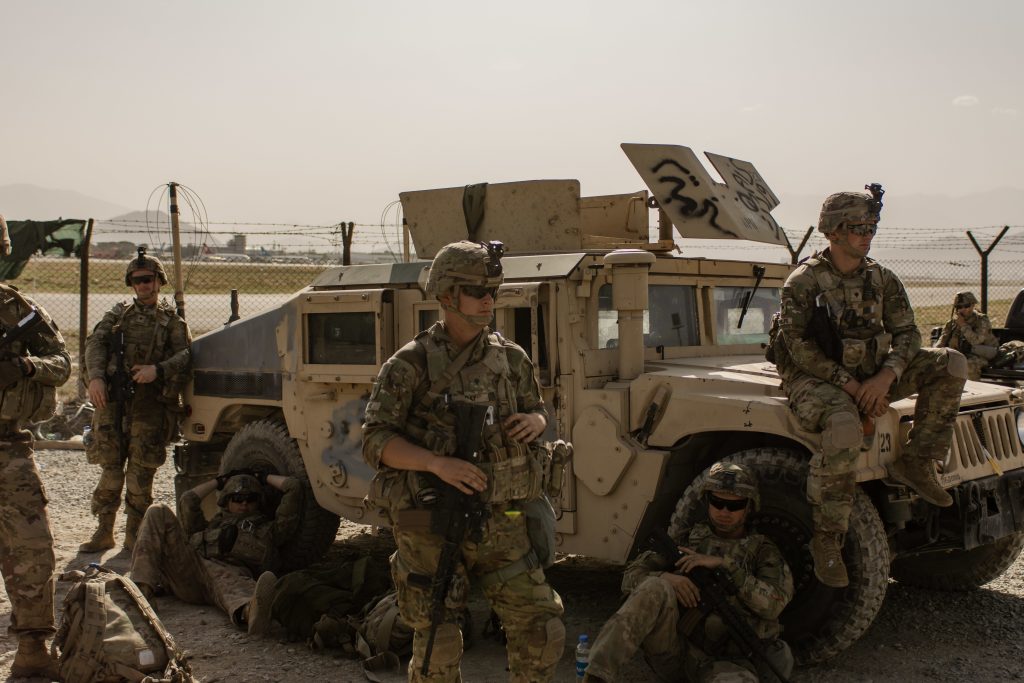
(28 August 2021) National Guard Soldiers assigned to the Minnesota-based 34th Infantry Division provide security late August in Kabul, Afghanistan. Deployed in support of Operation Spartan Shield, about 400 Soldiers from 34th ID were temporarily relocated to Kabul, Afghanistan, and have since arrived safely in Kuwait, where they are assigned. (U.S. Army photo by 1st Lt. Edwin Anderson)
The stories and images that came out of Afghanistan three years ago are now a testament to what people will do in an attempt to gain freedom from true tyranny and oppression. In my humble opinion, America is the only country on the face of the earth that people who live in it will threaten to leave repeatedly, and never follow through. The same society that we complain about and that some despise so much is actually so great that people literally risked falling out of a wheel well of a military transport just for the chance to be able to experience it for one more day of their life. They viewed the risk of death as better than the alternative.
So here we are at the end of “America’s Forever War.” Was it worth it? Each person who set foot into a valley or onto a mountain in Afghanistan must answer that themselves and make their own peace with that question. We may have left the valleys and the mountains, but the valleys and the mountains will never leave us. I can guarantee that the events of the past twenty years and particularly those of the last few weeks will be analyzed and dissected for years to come. The pivotal question remains: will we heed the lessons of the past, or will we once again disregard the echoes of history as America navigates its role in the “Graveyard of Empires”? Make no mistake: we may be finished with Afghanistan, but rest assured, Afghanistan is not finished with us.
Today, as we remember the harrowing images and stories from Afghanistan through our shared experiences, we recognize the strength of freedom in the face of tyranny. It’s a reminder that the immense sacrifices made by countless individuals may still matter; the valleys and mountains may have changed, but the essence of Afghanistan lingers in our memories.

________________________
This first appeared in The Havok Journal on August 21, 2024.
Chuck served on active duty as a Cavalry Scout, completing multiple tours in Iraq, and proudly served under the red and white guidon of the historic 1st Squadron, 7th U.S. Cavalry Regiment, Garryowen. After leaving active duty, he transitioned into the private contracting sector focusing on mobile security and intelligence services. He has extensive experience working in Afghanistan, supporting ISAF’s mission during Operation Enduring Freedom.
Currently, Chuck provides a range of security and intelligence services for one of the largest electric utilities in the Southeast U.S. He is also involved in emergency response, specializing in various skill sets and disciplines, including technical rescue, HAZMAT operations, and trauma-focused medical training.
As the Voice of the Veteran Community, The Havok Journal seeks to publish a variety of perspectives on a number of sensitive subjects. Unless specifically noted otherwise, nothing we publish is an official point of view of The Havok Journal or any part of the U.S. government.
Buy Me A Coffee
The Havok Journal seeks to serve as a voice of the Veteran and First Responder communities through a focus on current affairs and articles of interest to the public in general, and the veteran community in particular. We strive to offer timely, current, and informative content, with the occasional piece focused on entertainment. We are continually expanding and striving to improve the readers’ experience.
© 2026 The Havok Journal
The Havok Journal welcomes re-posting of our original content as long as it is done in compliance with our Terms of Use.


